In my role at Dongxin Electronic Technology, I often speak with senior process engineers like Marcus in Germany or leading R&D teams in South Korea. The discussions we have are rarely superficial; they delve into the microscopic world of semiconductor packaging, where a single, flawed connection, smaller than a human hair, can render a million-dollar device useless. The reliability of modern electronics is built upon the perfection of the wire bond. This isn't just about connecting two points; it's about creating a robust, solid-state weld that will endure for years under demanding conditions. This article is for the meticulous engineer who understands that the performance of their final product depends on the quality of every single interconnection. We will go beyond the basics to explore the nuances of wire bonding machines, the critical choices in wire material, and the physics that govern a perfect wire bond.
What is the Wire Bonding Process Fundamentally?
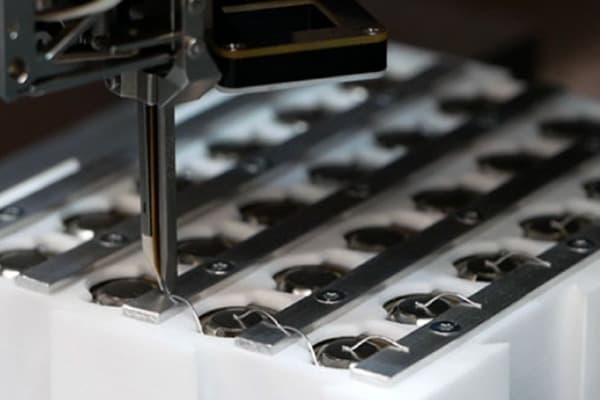
At its core, wire bonding is the process of creating electrical connections using fine wires to link a semiconductor device, like an integrated circuit (IC), to its packaging or substrate, such as a printed circuit board (PCB). It is the most widely used method for making electrical interconnections in the microelectronics industry due to its flexibility and cost-effectiveness. The objective is not merely to make physical contact but to form a true, solid-state weld at each end of the wire.
This metallurgical bond ensures a seamless path for electrical signals and heat, which is vital for the device's performance and longevity. Unlike traditional welding, the wire bonding process often occurs at a microscopic scale, handling a wire that can be many times thinner than a human hair. The quality of this wire bond is the foundation upon which the reliability of countless electronic components is built. Every wire must be perfectly placed and bonded to guarantee a flawless connection.
What are the Main Wire Bonding Techniques?
While the goal is always a solid weld, there are several wire bonding techniques used to achieve it. The choice of method depends on the materials, application, and cost considerations. The three primary techniques are:
-
Thermocompression Bonding: This original bonding method relies on the simple but effective combination of heat and pressure. A heated tool presses the bonding wire against a heated substrate or bond pad. The combination of force and thermal energy causes the atoms of the wire and the pad to diffuse into one another, creating a strong bond. It is clean and reliable but can be slow and the high heat is unsuitable for some sensitive components.
-
Ultrasonic Bonding: This technique is a cold process, which is its main advantage. It uses a tool that vibrates at a high frequency (typically 20-60 kHz) to scrub the wire against the bond pad. This ultrasonic energy is used to break down surface oxides and create a solid-state weld through friction and plastic deformation. It is ideal for heat-sensitive devices and is the standard for aluminium wire bonding.
-
Thermosonic Bonding: The modern workhorse of the industry, this method combines the best of both worlds. It uses heat and ultrasonic energy simultaneously. The substrate is heated (typically to around 150°C), which softens the materials and makes the bonding process easier. Then, a pulse of ultrasonic energy is applied to finalize the metallurgical bond. This method is fast, reliable, and creates a very strong wire bond, making it the dominant technique for gold wire bonding in high-volume production.
How Critical is Material Selection for the Bonding Wire?
The material selection for the bonding wire is one of the most critical decisions in the entire manufacturing process. The wire material directly impacts the bond's electrical properties, mechanical properties, reliability, and cost. The primary materials used are:
- Gold (Au): For decades, gold was the industry standard for wire bonding. It is extremely resistant to corrosion, highly ductile, and has excellent electrical conductivity. Its softness makes it easy to form a ball bond. However, the high cost of gold has driven the industry to seek alternatives. Another concern is the formation of brittle gold-aluminium intermetallics (often called "purple plague") when bonding to aluminum pads, which can lead to long-term reliability issues if not properly managed.
- Copper (Cu): Copper wire has become a popular alternative to gold. It offers superior electrical and thermal conductivity and is much more cost-effective. However, copper is harder than gold, which can cause cratering damage on the sensitive silicon bond pad if bonding parameters are not perfectly controlled. It is also susceptible to oxidation, requiring an inert atmosphere during the bonding process.
- Aluminum (Al): Aluminium wire is widely used for wedge bonding, especially in power devices and automotive applications. It is very affordable and forms a stable bond with aluminum pads, avoiding the issues seen with gold and aluminium. Its primary drawbacks are lower conductivity and strength compared to gold or copper.
- Silver (Ag): Silver wires are an emerging option, offering conductivity even better than gold at a lower price point. Research is ongoing to fully characterize their long-term reliability.
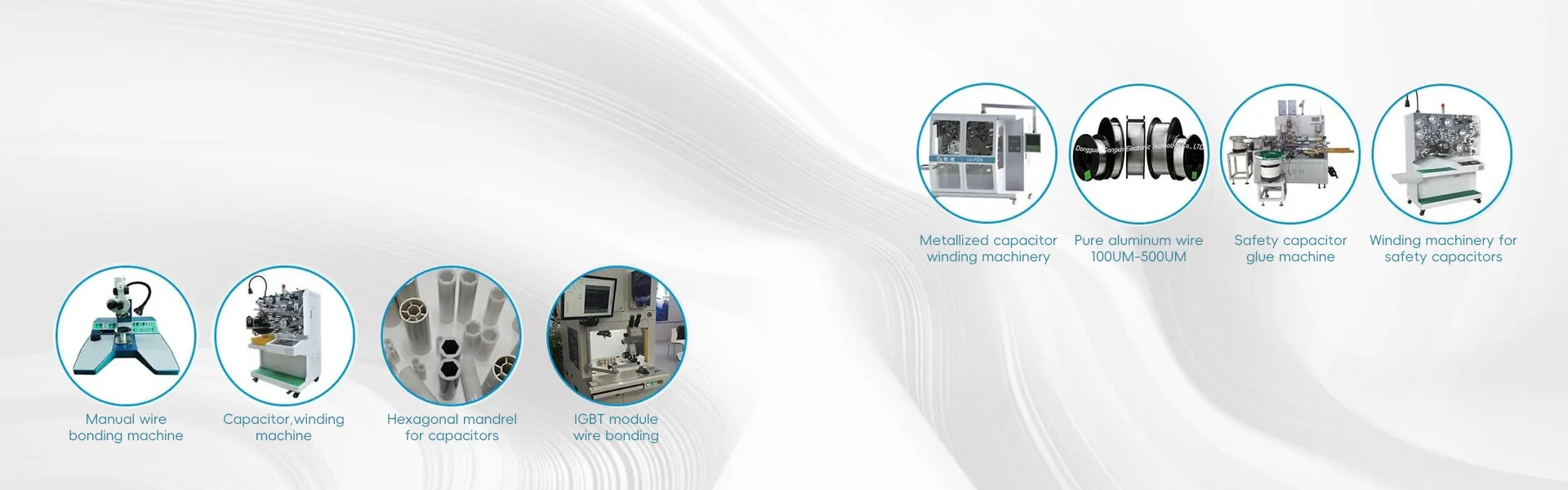
At Dongxin, we supply a range of high-purity materials, including pure aluminum wire, because we understand that having the right wire is the first step to achieving a perfect wire bond.
What Role Does Wire Diameter Play in a Reliable Wire Bond?
The wire diameter is a fundamental parameter that dictates the electrical and mechanical characteristics of the interconnection. The choice of diameter is a trade-off between performance requirements and physical constraints.
A thin wire (typically with a diameter between 15 and 75 microns) is used for signal connections in microelectronics, where space is at a premium. These fine wires are essential for fine pitch applications, allowing for thousands of connections on a single semiconductor device. The challenge with a thin wire is ensuring it has sufficient bond strength and can carry the required current without overheating.
Conversely, thick wire bonding (using diameter wires from 100 to 500 microns) is used in power electronics and automotive modules. This larger diameter wire can handle high currents and provides a much stronger, more robust mechanical properties. The wire bonding machines for thick wire must be able to apply significantly more force and ultrasonic energy to form a proper weld. Selecting the appropriate wire diameter is a crucial step in designing a reliable wire bond strategy.
How Do Modern Wire Bonding Machines Achieve Such High Precision?
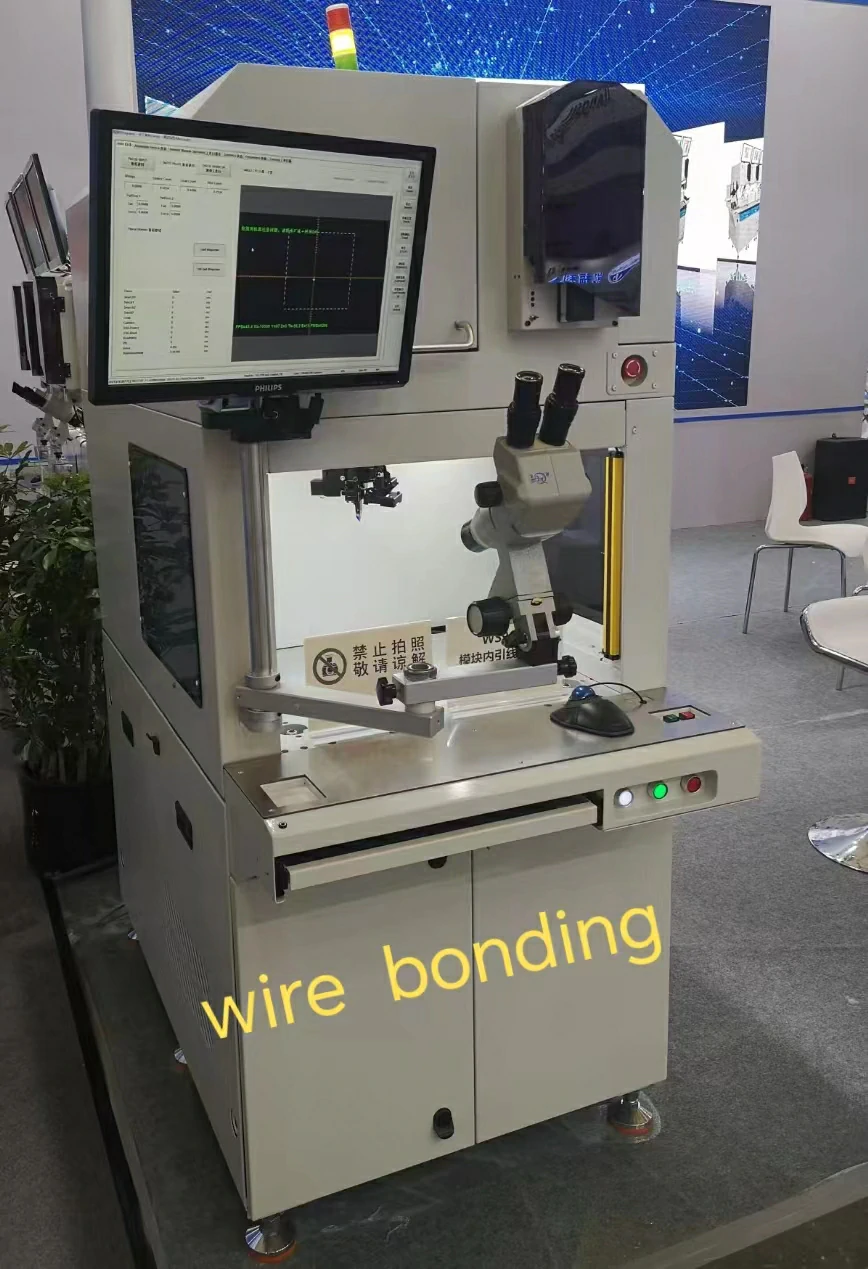
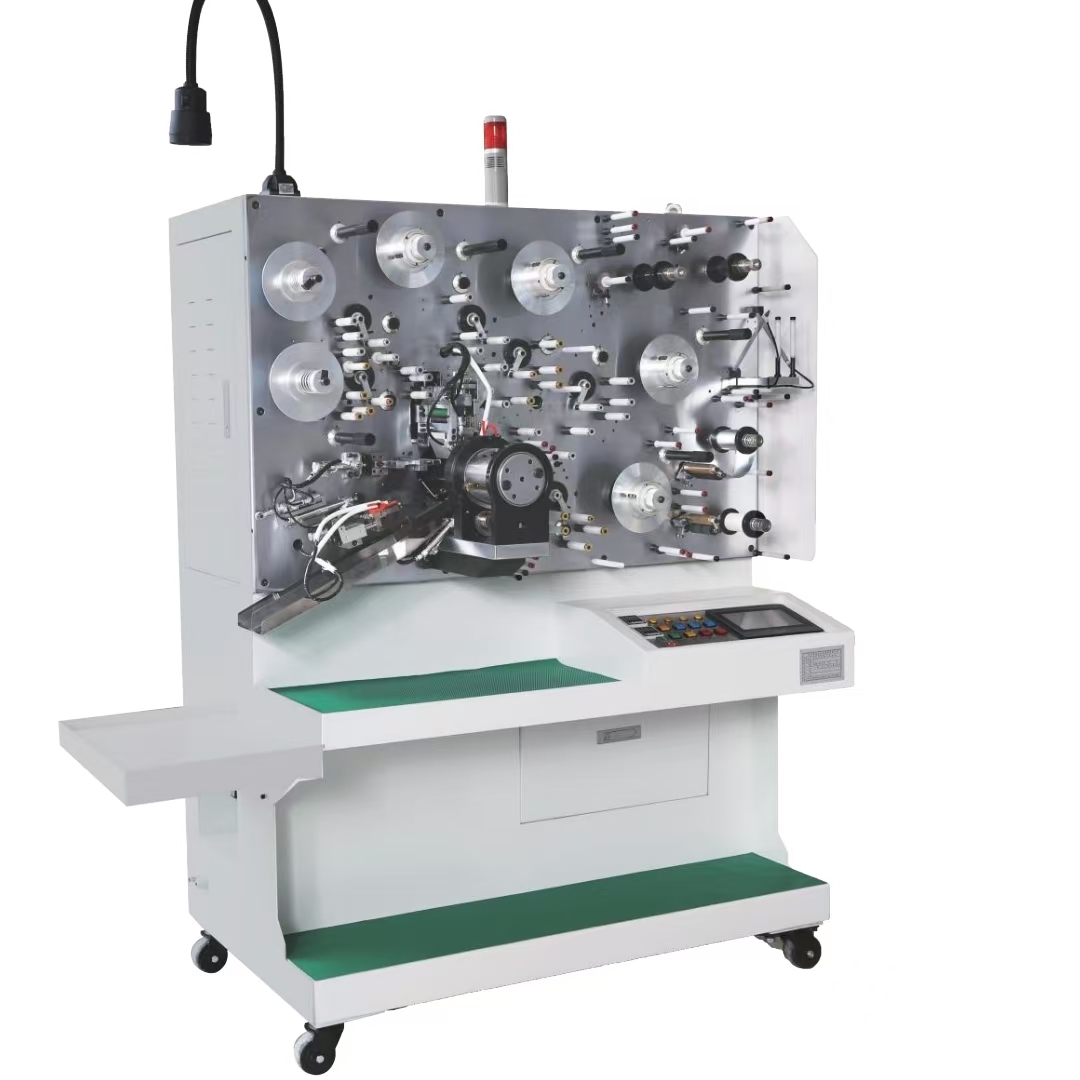
Modern wire bonding machines are marvels of mechatronic engineering. They are not simple tools but highly sophisticated robotic systems designed for speed and sub-micron accuracy. Their precision comes from the integration of several key technologies:
- Advanced Robotics: High-speed X-Y-Z motion systems can position the bonding tool over the correct bond pad with incredible speed and repeatability.
- Machine Vision: A high-resolution camera and pattern recognition software identify the exact location of the bond pads on the silicon die and substrate. This system automatically compensates for any slight misalignment of the device, ensuring the wire is attached precisely every time.
- Precise Force and Energy Control: The welding machine's core is its ability to apply precisely controlled amounts of force, ultrasonic energy, and heat. These bonding parameters are programmable and can be adjusted in real-time to ensure a perfect bond for every single wire.
- Real-time Process Monitoring: Advanced sensors monitor the wire bonding process, detecting anomalies that could indicate a weak bond. This allows for immediate correction and ensures a high-quality output.
Machines like our IGBT bonding machine are specifically designed to handle the rigorous demands of power semiconductor manufacturing, integrating these technologies to produce the most reliable wire bonds.
What is the Difference Between the First Bond and the Second Bond?
The wire bonding process involves creating a connection with two distinct points: the first bond and the second bond.
The first bond is made directly onto the bond pad of the semiconductor die (IC). This is the more critical and challenging of the two, as the underlying silicon is fragile and can be easily damaged. For gold wire bonding, the first bond is typically a ball bond. An electric spark melts the end of the wire to form a tiny sphere, which is then bonded to the pad.
The second bond is made on the leadframe or substrate that connects the die to the rest of the package or PCB. This target is generally less sensitive than the die. In ball bonding, the second bond is a wedge-shaped "stitch" bond. After this bond is formed, the wire is clamped and torn to begin the cycle for the next wire. In aluminum wire bonding, both the first bond and second bond are wedge bonds, created using a wedge-shaped tool without forming a ball. The integrity of both the first bond and second bond is essential for a successful interconnection.
Why is Achieving a Strong Metallurgical Weld So Important?
Achieving a true metallurgical bond is the ultimate goal of the wire bond process. This is fundamentally different from a simple cold weld or friction fit. A metallurgical bond is an interatomic connection where the atoms from the wire and the bond pad share electrons, creating a single, continuous metallic structure. This type of weld is critical for two main reasons:
- Electrical Performance: A perfect metallurgical bond offers the lowest possible electrical resistance. A poor weld can create a high-resistance interface that generates heat, degrades signal integrity, and can eventually lead to device failure.
- Long-Term Reliability: A strong weld is essential for surviving the stresses of thermal cycling. As a device heats up and cools down, materials expand and contract at different rates (thermal expansion). A weak bond will fatigue and fail under this stress, especially in harsh environments like automotive or aerospace applications. The bond strength derived from a good metallurgical bond ensures the wire connection remains intact for the device's entire lifespan.
What are the Key Parameters to Control on a Welding Machine for Wire Bonding?
For an engineer like Marcus, controlling the welding machine is about mastering the key bonding parameters. Getting these right is essential for a repeatable and high-yield process. While the exact values depend on the specific wire bonding application, the core parameters are:
- Force (or Pressure): This is the amount of physical force the bonding tool applies to the wire and bond pad. Too little force results in a weak bond; too much can damage the semiconductor die.
- Ultrasonic Power: This is the amplitude of the high-frequency vibrations. It provides the scrubbing energy needed to create a bond. The power must be carefully tuned for the wire diameter and material.
- Time: This is the duration for which the ultrasonic power is applied, typically measured in milliseconds.
- Temperature: In thermosonic bonding, this is the temperature of the heated stage holding the substrate.
Optimizing this multi-dimensional "recipe" is critical for good bonding. It requires expertise and empirical testing to find the perfect balance for any given combination of wire, die, and substrate.
How Do You Troubleshoot Common Wire Bond Failures?
Even in a highly controlled process, failures can occur. Understanding their root causes is key to maintaining a high-yield production line. Here are a few common issues:
- Bond Lift: This is when the first bond (ball or wedge) does not adhere to the bond pad. The most common cause is contamination on the pad surface (e.g., oxides, residual chemicals). It can also be caused by incorrect bonding parameters, such as insufficient force or ultrasonic energy.
- Heel Crack: The wire breaks at the "heel" or the thinnest point of the second bond. This is often caused by excessive deformation of the wire from too much bonding force or a worn-out bonding tool. A high-quality tool, such as a customized wedge bonding tool, can minimize this issue.
- Wire Sag or Sweep: The wire loop is misshapen, potentially shorting against an adjacent wire. This can be caused by incorrect wire tensioning on the wire bonding machines or by electrostatic forces during subsequent plastic encapsulation.
- Cratering: The bonding force is too high, cracking the fragile silicon layer underneath the bond pad. This is a catastrophic failure and requires immediate adjustment of the bonding force.
What are the Future Trends in Wire Bonding Technology?
The wire bonding industry is constantly evolving to meet the demands of next-generation electronics. Several key trends are shaping its future:
- Ultra-Fine Pitch: As chips become more complex, the number of I/O pads increases, forcing them closer together. Wire bonding is adapting with fine pitch capabilities below 35 microns, requiring more precise machines and finer diameter wires.
- New Wire Materials: The development of palladium-coated copper wire, plated silver wire, and other alloys aims to combine the benefits of different metals—like the conductivity of copper with the corrosion resistance of precious metals.
- Power Electronics: The rise of electric vehicles and renewable energy is pushing the demand for thick wire bonding using large diameter aluminium wire and even copper ribbons to handle hundreds of amps of current.
- Increased Automation and AI: Future wire bonding machines will incorporate more intelligence, using AI to self-optimize bonding parameters in real-time and predict maintenance needs, further increasing yield and reducing downtime.
Key Takeaways
Mastering the wire bond is a continuous journey of precision and process control. Here are the most important things to remember:
- The Goal is a Metallurgical Weld: A successful wire bond is a true atomic weld, ensuring superior electrical, thermal, and mechanical performance.
- Technique Matters: Thermosonic bonding is the industry standard, combining heat and ultrasonic energy for a fast and strong bond.
- Material Selection is Critical: The choice of bonding wire (gold, copper, aluminum) is a complex trade-off between cost, conductivity, and reliability.
- Machines are the Enablers: Modern wire bonding machines are highly precise robotic systems that control every aspect of the process, from positioning to applying the exact bonding energy.
- Parameters Must Be Perfect: The success of every wire depends on the perfect recipe of force, energy, time, and temperature, tailored to the specific application.