My name is Kevin, and here at Dongxin Electronic Technology, my days are filled with the science of the incredibly small. I work with engineers like Marcus in Germany—brilliant, meticulous minds who understand that a company's success can hinge on the reliability of a single, microscopic wire. A faulty wire bond, almost invisible to the naked eye, can ground a million-dollar production line. This article is for Marcus and for every engineer, technician, and curious mind who wants to peek behind the curtain. We're going to demystify the world of the wire bond, exploring how these tiny bond wires form the nervous system of every electronic device you own. It's a journey into a world of precision, power, and the physics that connect our digital age.
What Is a Wire Bond and Why Is It So Important for an Integrated Circuit?
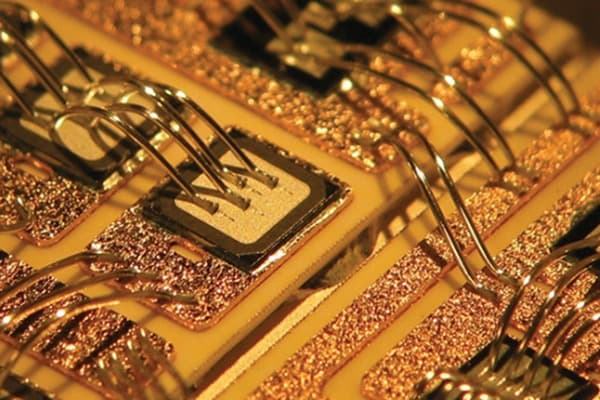
At its simplest, a wire bond is a tiny strand of wire used to make electrical interconnections between a semiconductor chip and its packaging or a printed circuit board (PCB). Think of an integrated circuit (IC) as a city, bustling with information and electrical signals. This city needs roads to connect with the outside world. Bond wires are those superhighways. They provide a physical path for electricity and data to flow in and out of the chip, making the entire circuit functional. Without these connections, the most advanced semiconductor device in the world is just an inert piece of silicon.
The importance of the wire bond is immense because it is the most common and cost-effective interconnect technology used in the industry. Every bond must be perfect. A single bad bond in a device containing hundreds or thousands of bond wires can cause the entire component to fail. This connection needs to have excellent electrical conductivity to transmit signals without loss and be mechanically robust enough to withstand heat, vibration, and physical stress for years. The reliability of everything from your smartphone to a car's safety system depends on the integrity of these microscopic wire connections.
Each wire bond is a miniature feat of engineering. A very thin wire, often with a diameter smaller than a human hair (measured in micrometers), is precisely attached to a specific location on the chip called a bond pad. Another bond is then made to the leadframe or substrate, completing the circuit. The process creates a permanent, solid-state weld, ensuring a durable and reliable connection. This isn't a simple mechanical connection; it's a true metallurgical bond at an atomic level.
How Does the Wire Bonding Process Create a Reliable Electrical Interconnection?
The wire bonding process is a highly automated procedure that uses a combination of force, heat, and ultrasonic energy to create a strong bond. The goal is to join the wire to the bond pad without using any foreign material like solder. There are a few key bonding processes, but the most common is thermosonic bonding. This process is a delicate dance of physics and mechanics.
Let's break down the process steps. First, the semiconductor chip is placed on a heated stage, bringing it to an elevated temperature (typically 100-300°C). This heat helps to soften the metals, making them more receptive to forming a bond. The wire bonding machine then takes the end of the wire and presses it against the aluminum bond pad on the silicon chip. As pressure is applied, the machine introduces high-frequency ultrasonic energy. This vibration acts like a microscopic scrub brush, clearing away oxides and contaminants from the surfaces of both the wire and the pad.
This combination of heat and ultrasonic vibration causes the atoms of the wire and the bond pad to mix and diffuse, forming a strong, interlocked weld. This is known as the first bond. The machine then loops the wire to the connection point on the substrate and performs a similar action to create the second bond. The result is a seamless interconnection that is both electrically efficient and mechanically sound. The entire operation for a single wire happens in a fraction of a second, allowing modern machines to place thousands of bond wires per minute.
What Are the Main Differences Between Ball Bond and Wedge Bond Processes?
While the goal is the same, the two main bonding processes—ball bond and wedge bond—achieve it in slightly different ways. The choice between them depends on the application, the type of wire used, and the design of the integrated circuit.
A ball bond, as the name suggests, starts by creating a tiny ball at the end of the wire. This is done by melting the tip of the wire with an electric spark. This molten metal, typically gold wire or copper wire, forms a perfect sphere due to surface tension. This is called a "free air ball." The machine then presses this gold ball onto the bond pad with force and ultrasonic energy to create the first bond. The key advantage of a ball bond is its speed and the fact that the wire can be routed in any direction from the bond.
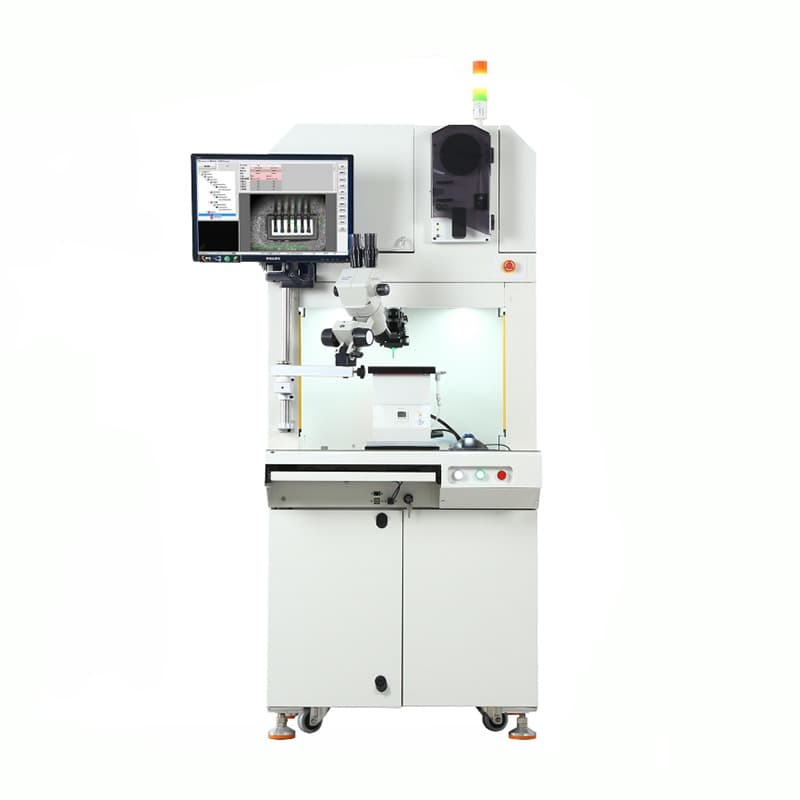
A wedge bond, on the other hand, does not use a ball. Instead, it uses a wedge-shaped tool to press the wire directly onto the bond pad. Ultrasonic energy is then applied to create a stitch-like bond. This process is repeated for the second bond. Wedge bonding is typically done with aluminum wire but can also be used for gold and copper. Its main advantage is that it creates a lower-profile bond, which is excellent for applications where vertical space is limited. It's also preferred for fine-pitch applications where the bond pads are very close together. However, a wedge bond is generally a slower process than a ball bond.
Can You Explain the Various Types of Wire Used in Bonding?
The wire used for bonding is not just any metal wire; it's a highly engineered material with specific properties. The three most common materials are gold, copper, and aluminum. The bonding wire is used to create a stable and reliable connection, so its material composition is critical.
- Gold (Au) Wire: For a long time, gold wire was the industry standard. It's extremely resistant to corrosion and oxidation, making it easy to create high quality bonds. Its softness and ductility are ideal for the delicate wire bonding process. Gold wire is most commonly used for ball bonding. Its primary disadvantage is the high cost of gold.
- Copper (Cu) Wire: Copper wire has become a very popular alternative to gold because it is much less expensive and has superior electrical conductivity. However, copper is harder than gold and oxidizes easily. This makes the bonding requires a more controlled process, often in an inert nitrogen atmosphere, to prevent oxidation that would weaken the bond. We offer high-purity copper wire designed to overcome these challenges. To improve its properties, copper wire is often doped with a small amount of an alloy like palladium (palladium coated copper).
- Aluminum (Al) Wire: Aluminium wire, often an alloy with a small amount of silicon, is primarily used for wedge bonding. It's very soft and inexpensive. It's the material of choice for high-power devices, where a larger wire diameter is needed to carry more current. Since most bond pads on a semiconductor are also made of aluminum, using an aluminum wire creates a mono-metallic system, which prevents the formation of brittle intermetallic compounds that can occur between gold and aluminium, leading to bond failures.
What Role Does Ultrasonic Energy Play in Modern Bonding Processes?
Ultrasonic energy is the secret ingredient that makes modern wire bonding so effective and reliable. It allows for a strong weld to be formed at a much lower temperature than would otherwise be needed, a process known as ultrasonic bonding. This is crucial because high temperatures could damage the sensitive semiconductor device.
Here's how it works: During the bond formation, a tool vibrates the wire against the bond pad at an ultrasonic frequency (typically 60-120 kHz). This rapid, scrubbing motion does several important things. First, it acts as a powerful cleaning agent, breaking up and clearing away any thin layers of oxides or contaminants on the metal surfaces. You can't create a good bond through a layer of dirt, and at a microscopic level, oxidation is exactly that.
Second, the frictional energy creates localized heat and plastic deformation at the interface. This softens the metal surfaces, allowing them to mold together perfectly. The pressure and ultrasonic vibration bring the atoms of the wire and the bond pad into such intimate contact that they share electrons and form a true metallurgical bond. Without ultrasonic energy, you would need much higher temperatures and forces (thermocompression bonding), which would risk cracking the delicate silicon die underneath the bond pad. This use of ultrasonic power is central to the thermosonic bonding process.
Why Is Gold Wire Traditionally Preferred for High-Quality Bond Wires?
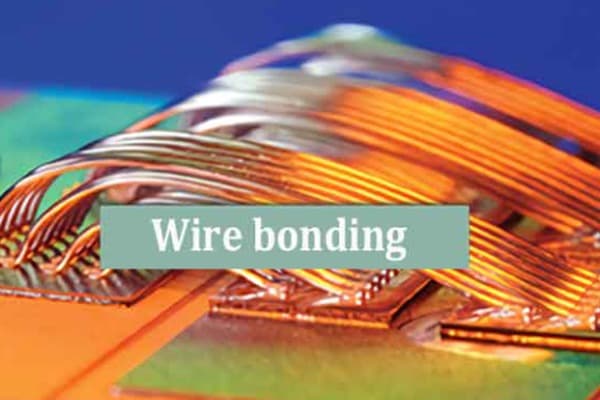
Gold wire has long been the gold standard (pun intended) for high-reliability bond wires. Its popularity stems from a unique combination of chemical and physical properties that make it exceptionally well-suited for the demanding environment of an integrated circuit.
The most significant advantage of gold wire is its chemical inertness. It is highly resistant to oxidation and corrosion. This is incredibly important because a clean, oxide-free surface is essential for creating a strong, low-resistance bond. While other metals form insulating oxide layers almost instantly in the air, gold remains pristine, making the gold wire bonding process very forgiving and repeatable. This inherent stability leads to higher yields and more reliable long-term performance.
Furthermore, gold wire is very ductile and malleable. This means it can be drawn into an extremely thin wire with a consistent diameter and can be easily shaped during the ball bond and looping process without work-hardening or breaking. This softness also helps to absorb some of the mechanical stress is generated by the bonding process, protecting the fragile bond pad and underlying silicon from damage. While the high cost of gold is a major factor, for critical applications in aerospace, medical, and military electronics where failure is not an option, the reliability offered by gold wire often justifies the expense.
How Does Copper Wire Compare to Traditional Wire Like Gold?
Copper wire is the leading challenger to gold's dominance in the wire bonding world. The primary driver for its adoption is cost—copper is significantly cheaper than gold. However, the transition from gold wire to copper wire is not just a simple material swap; it requires significant adjustments to the bonding processes due to the different properties of the materials.
From a performance perspective, copper wire is a winner. It has higher electrical conductivity and thermal conductivity than gold, making it excellent for devices that handle a lot of power or run hot. It also has better mechanical properties, leading to stronger bond strengths and resistance to wire sweep during the plastic molding process. However, copper comes with its own set of challenges. Its biggest drawback is its hardness and susceptibility to corrosion.
Because copper is harder than gold, the bonding parameters, such as force and ultrasonic power, must be carefully controlled to avoid damaging the bond pad. The bigger issue is oxidation. Copper oxidizes quickly, and this oxide layer can prevent a good bond from forming. To combat this, copper wire bonding is usually done in an oxygen-free nitrogen environment. To further improve its bonding performance and resistance to oxidation, copper wire is often alloyed with elements like palladium. This palladium-coated copper wire has become a popular choice, offering a good balance of cost, performance, and processability.
What Challenges Arise When Creating a Bond with Aluminum Wire?
Aluminum wire is the workhorse of the power semiconductor industry. It's ideal for wedge bonding in applications that require a large wire diameter to handle high-current. However, working with aluminium wire presents a unique set of challenges that engineers must manage.
The main challenge with aluminum wire is its softness. While this makes it easy to bond without damaging the chip, it also means the wire is susceptible to mechanical issues. For instance, aluminum wire has a lower tensile strength than gold or copper, so care must be taken during looping to prevent breakage. Furthermore, it's more prone to low cycle fatigue. When a device heats up and cools down, the materials expand and contract. Because aluminum wire has a different coefficient of thermal expansion than the other materials in the package, this cycling can cause stress at the heel of the bond, eventually leading to a crack or failure.
Another consideration is that aluminum wire is almost exclusively used for wedge bonding. It cannot be easily formed into a free air ball like gold or copper, which limits its use in faster ball bonding processes. Despite these challenges, its low cost and excellent performance in mono-metallic systems (aluminum wire on aluminum pads) make it an indispensable material. At Dongxin, we provide high-quality pure aluminum wire and robust heavy aluminum wire bonding tools specifically engineered to create reliable bonds in demanding high-power applications.
How Do You Avoid Common Failures in a Wire Bond?
A failed wire bond can be catastrophic for an electronic device, so preventing failures is a top priority. Failures can occur for many reasons, often related to poor control over the bonding parameters, contamination, or material issues. A proactive approach is key.
One of the most common failure modes is a weak bond or a "non-stick," where the wire doesn't properly adhere to the bond pad. This is often caused by contamination on the pad surface or improperly tuned bonding parameters. Ensuring the cleanliness of all surfaces and meticulously optimizing the bond force, ultrasonic power, and temperature for the specific materials as well is the first line of defense. Regular calibration of the wire bonding machine is also essential.
Another common issue is "cratering," where the pressure and energy of the bonding process crack the fragile silicon or oxide layers beneath the bond pad. This is often due to excessive force or ultrasonic energy. Using the correct bonding tool and a precisely controlled process can prevent this damage. Finally, bond failures can occur over time due to the formation of brittle intermetallic compounds, especially between gold and aluminium at an elevated temperature. Choosing the right material combinations, like aluminum wire on aluminum pads or using a barrier metal on the bond pad, can mitigate these long-term reliability risks.
What's the Difference Between Wire Bonding and Using Solder for an Interconnection?
While both wire bonding and solder are used to create electrical connections, they are fundamentally different processes used at different scales and for different purposes within a circuit. Understanding their roles is key to appreciating electronics assembly.
Solder is a metal alloy with a low melting point that is used to join larger components together, such as attaching an integrated circuit package to a PCB or connecting a resistor to an electrode. The process involves heating the solder until it melts, flows between the components, and then cools to form a solid connection. Solder is excellent for creating strong mechanical and electrical bonds on a macro scale but is not precise enough for the microscopic connections needed inside a semiconductor package. You simply can't use solder to connect to the tiny bond pads on a chip.
Wire bonding, on the other hand, is a solid-state welding process designed for micro-scale interconnection. It creates a direct metallurgical bond between a very thin wire and the chip's bond pad without a separate filler material like solder. Wire bonding offers much higher precision and density, allowing for hundreds or thousands of connections to be made in a very small area. In short, wire bonding is used to get the signal out of the silicon die, while solder is often used to connect the packaged die to the rest of the circuit. They are two complementary technologies that work together to build the electronic devices we use every day.
Key Takeaways
- The Wire Bond is Critical: Bond wires are the essential electrical superhighways that connect a semiconductor chip to the outside world, making the entire circuit work.
- Process is Key: Modern bonding processes like thermosonic bonding use a precise combination of heat, force, and ultrasonic energy to create a strong, reliable metallurgical weld.
- Ball vs. Wedge: Ball bonding is fast and flexible, typically using gold or copper, while wedge bonding offers higher precision for fine-pitch applications, often with aluminum wire.
- Material Matters: The choice between gold wire, copper wire, and aluminum wire is a critical engineering decision based on cost, performance, and reliability requirements.
- Avoid Failures Proactively: Preventing bond failures requires strict process control, clean materials, and correctly optimized bonding parameters to avoid weak bonds or damage to the chip.
- Not the Same as Solder: Wire bonding is a micro-scale solid-state welding process for chip-level interconnection, while solder is a macro-scale process used for joining larger components to a PCB.