As a manufacturer of high-precision components at Dongxin Electronic Technology, I spend a lot of time discussing the fundamentals of manufacturing with engineers like Marcus in Germany. We don't just talk about the final product; we delve into the processes that create it. A recurring topic is injection molding, the cornerstone of modern plastic parts production. The choice of machine—specifically the difference between screw and plunger systems—is a critical decision that impacts everything from part quality to production cost. This article is for the engineer who needs to understand the core mechanics, advantages, and ideal applications of both the classic plunger injection molding machine and the more modern screw machine. Understanding this is key to selecting the right equipment to achieve the desired precision and consistency in your finished product.
What is Injection Molding at its Core?
At its most basic, injection molding is a manufacturing process for producing parts by injecting molten material into a mold. It’s a bit like an advanced, high-pressure version of a hot glue gun. Raw plastic granules are fed into a heated barrel, melted down, and then forced under immense pressure into a custom-made mold. The molten material fills the mold cavity, cools, and solidifies into the final shape. The mold then opens, and the finished part is ejected.
This process is incredibly versatile and is used to produce everything from car parts and medical devices to intricate components for the semiconductor industry. The magic lies in the machine's ability to produce identical parts with high speed and repeatability. The two primary methods for melting and injecting the plastic are the plunger method and the screw method. Each has a unique working method for preparing the molding material before it enters the mold.
How Does a Plunger Injection Molding Machine Work?
The plunger injection molding machine, also known as a ram injector, is the classic design. Its operation is straightforward and powerful. Plastic granules are fed from a hopper into a heated barrel. Inside this barrel, a hydraulic plunger waits. When activated, the plunger moves forward and begins to push the solid granules ahead of it.
As the material is pushed forward along the barrel, it absorbs heat from external heater bands wrapped around the barrel. To help with melting, a "torpedo" or spreader is often placed inside the barrel. This device forces the plastic to flow in a thin layer against the hot walls of the barrel, promoting more uniform melting. Finally, the now-molten plastic accumulates at the front of the barrel before the plunger delivers the final, high-pressure push to inject the molten material into the mold. The defining feature of a plunger injection molding machine is this direct, forceful push to move the material through the heated barrel and into the mold.
What Makes Screw Injection Molding Machines Different?
The screw injection molding machine, specifically the reciprocating screw machine, represents a major evolution in injection molding technology. This type of machine replaces the simple plunger with a sophisticated rotating screw. This screw sits inside the barrel and performs two critical functions.
First, as the screw rotates, its flights (the helical threads) convey the plastic granules forward from the hopper. This rotation does more than just move the material; it also generates intense shear and friction, which creates a significant amount of heat. This mechanical heating, combined with the external heater bands on the barrel, provides a much more efficient and uniform method of melting the plastic. This process is called plasticizing. Second, once enough molten plastic has accumulated at the front of the barrel, the screw stops rotating and acts like a plunger. The entire screw is pushed forward hydraulically, injecting the perfectly mixed and melted material into the mold.
What is the Key Difference Between Screw and Plunger Plasticizing?
The core difference between screw and plunger systems lies in how they melt the plastic—the plasticizing process. This single difference has a massive impact on the quality of the final part.
A plunger injection molding machine relies almost entirely on conduction. The heat must travel from the outside of the barrel inward to melt the plastic granules. This can lead to uneven heating. The plastic near the barrel walls might get overheated while the core remains cooler and less molten. This lack of a good mix can result in inconsistencies in the finished part.
In stark contrast, a screw machine uses a combination of conduction from the barrel heater bands and, more importantly, intense shear heat generated by the mechanical action of the rotating screw. The screw actively churns, mixes, and shears the plastic, creating a homogeneous, uniformly heated melt. This superior plasticizing is the primary advantage of a screw machine.
| Feature |
Plunger Injection Molding |
Screw Injection Molding |
| Melting Method |
Primarily conduction from barrel heaters |
Conduction + Shear heat from rotating screw |
| Material Mixing |
Poor; relies on a torpedo to mix |
Excellent; screw actively mixes and homogenizes |
| Heat Distribution |
Can be uneven |
Very uniform |
| Material Consistency |
Prone to variation |
High consistency and repeatability |
Why is a High-Quality Mold So Crucial in Any Injection Machine?
Regardless of whether you use a plunger or screw machine, the mold is where the magic happens. The injection machine is responsible for delivering a high-quality melt at the right pressure, but it is the mold that defines the part's final shape, dimensions, and surface finish. An engineer like Marcus knows that you can have the best machine in the world, but with a poor-quality mold, you will only produce poor-quality parts.
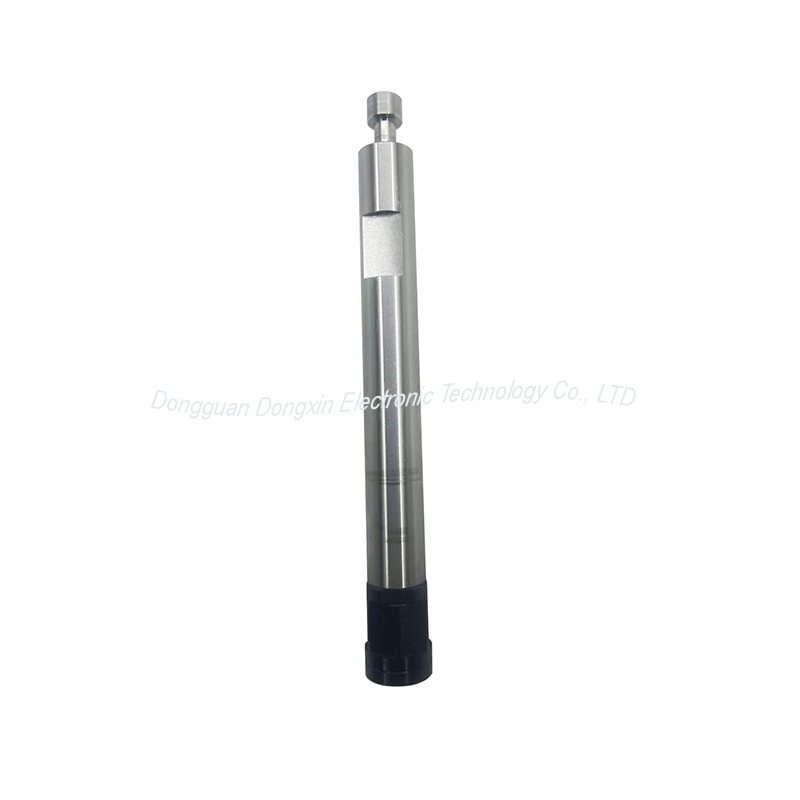
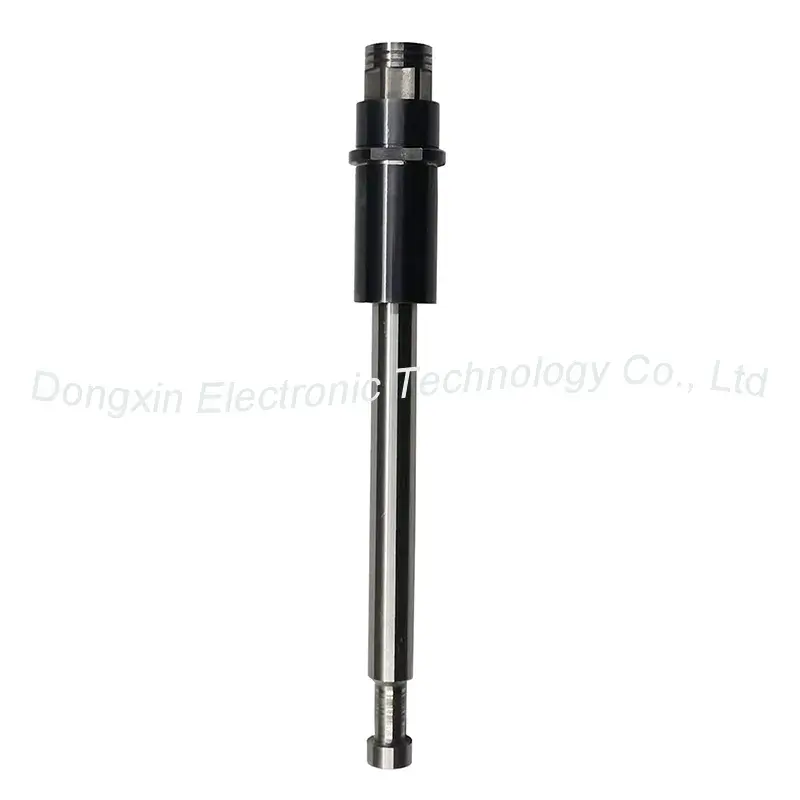
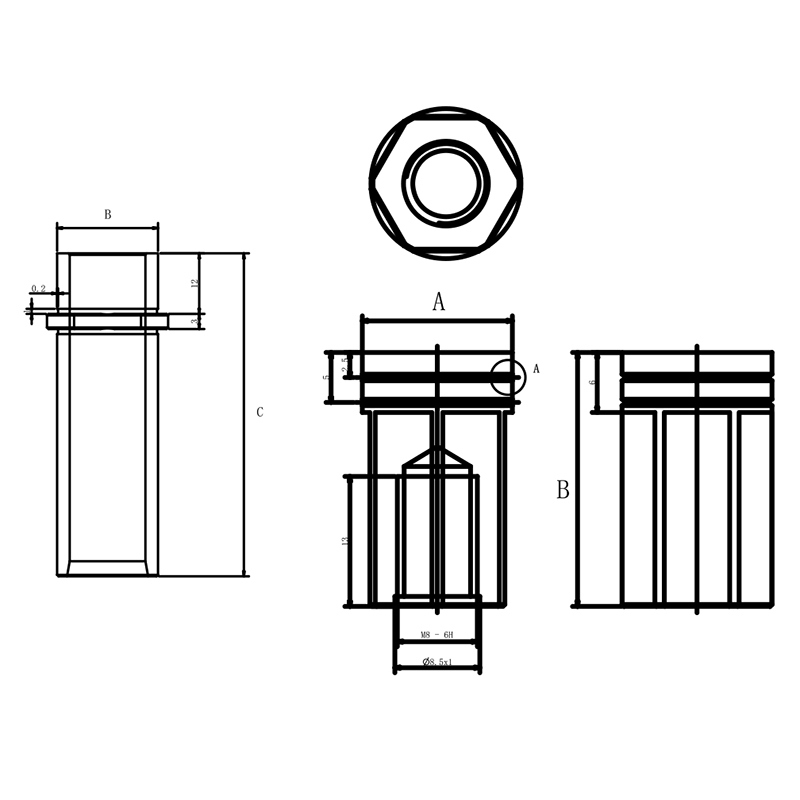
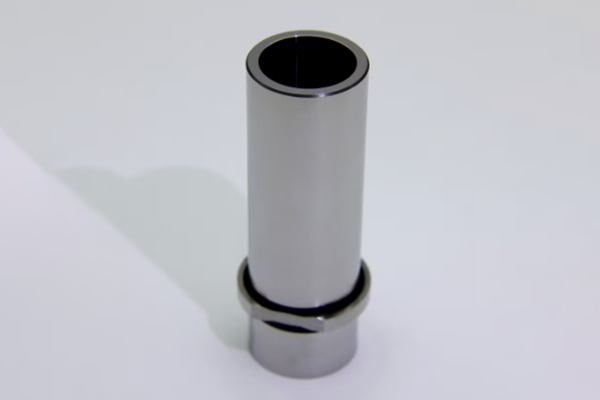
The mold is a high-precision piece of engineering. Its components, including the cavities, cores, and ejector systems, must be manufactured to incredibly tight tolerances. For certain types of molding, like transfer molding used in semiconductor packaging, the plunger itself is a critical component of the mold assembly. The precision of the MGP mold plunger bar and pot set for semiconductor packaging directly impacts the quality of the final electronic package. The durability and accuracy of the mold and its internal parts, like the plunger, determine the long-term reliability and cost-effectiveness of the entire manufacturing operation. A great mold is the heart of any injection molding setup.
For What Materials is Plunger Injection Molding a Better Solution?
While the screw machine is dominant for thermoplastics due to its superior plasticizing, there are specific scenarios where the simpler plunger injection molding machine holds a distinct advantage. The primary area is with thermoset materials. Thermosets are polymers that undergo an irreversible chemical reaction (curing) when heated.
The gentle heating action of a plunger machine is perfect for these materials. Because the plunger system doesn't generate significant shear heat, there is less risk of the thermoset material curing prematurely inside the barrel. The plunger simply pushes the material through the heated barrel and into the hot mold, where the curing process is intended to happen. For certain temperature-sensitive materials or those with very low viscosity, the simple and direct action of a plunger can be a more controllable and affordable solution. The plunger injection molding uses are more specialized today but still highly relevant.
Can a Plunger Machine Produce Complex Shapes?
This is a common question. Generally, screw injection molding machines are better suited for producing complex parts with thin walls and intricate details. This is because the uniform, low-viscosity melt they produce can fill the mold cavity more easily and completely. The inconsistent melt from a plunger machine can sometimes struggle to fill out very fine or complex shapes before it cools.
However, this doesn't mean a plunger machine cannot produce parts with a reasonable degree of complexity. The ability to produce complex parts is highly dependent on three factors: the material being used, the product design itself, and, most importantly, the quality of the mold. A very well-designed mold with optimal gates and vents can help a plunger machine successfully produce surprisingly detailed components. The limitation is often more in the plasticizing process than the injection itself. The shape of the part is ultimately determined by the mold.
What are the Main Advantages of Screw and Plunger Injection Molding Hybrids?
To get the best of both worlds, engineers developed a two-stage or screw and plunger injection molding machine. This hybrid design separates the plasticizing and injection functions. In the first stage, a reciprocating screw is used in its own barrel purely to melt and mix the plastic, creating a perfectly homogeneous melt.
This molten material is then transferred to a second barrel that houses an injection plunger. In the second stage, this plunger is responsible only for injecting the prepared material into the mold. This system combines the superior melting and mixing of a screw with the precise, consistent shot size control of a plunger. This type of injection machine is often used for high-precision applications like molding optical lenses, where both material quality and shot accuracy are absolutely critical. It’s a perfect example of combining technologies to create a superior manufacturing solution.
How Do You Ensure Precision and Consistency with a Plunger Mold?
Achieving precision and consistency with any injection molding process, especially a plunger-based one, comes down to controlling the variables. The most critical component is the mold itself. For transfer molding, where a plunger pushes a charge of molding material into the mold cavities, the quality of the plunger and the pot it runs in is paramount.
To ensure high-quality results, the plunger must be manufactured from highly durable, wear-resistant materials and machined to an exact tolerance. Any wear on the plunger or the barrel can cause leakage and a loss of injection pressure, leading to inconsistent parts. As a manufacturer of these critical components, we at Dongxin understand that the fit and finish of a customized high-end MGP mold plunger is non-negotiable. Tight control over the mold temperature, material quality, and machine parameters will enable even a simpler plunger machine to achieve impressive results, but it all starts with a perfectly made mold. The quality of the mold determines the accuracy of the finished part.
Which Process Offers Better Long-Term Cost-Effectiveness?
When evaluating screw vs plunger injection molding for cost-effectiveness, the answer depends on the application. A plunger injection molding machine is mechanically simpler. It has fewer moving parts, which can make it cheaper to purchase and easier to maintain. For low-volume production or for working with specific thermoset materials, the plunger machine can be a very cost-effective solution.
However, for high-volume production of thermoplastic parts, the reciprocating screw machine almost always wins out in the long-term. Its flexibility to handle a wide range of materials, faster cycle times (due to more efficient plasticizing), and higher part quality with fewer rejects often lead to a lower cost per part. The initial investment in a more complex screw machine is often paid back through higher efficiency and better reliability. The ultimate decision must balance the initial equipment cost against the specific demands of the manufacturing task. The plunger remains a key part of many mold systems, like those found in a semiconductor packaging mould.
Key Takeaways
Choosing between a plunger and a screw injection molding machine is a critical engineering decision. Here are the most important points to remember:
- Core Difference: The key advantage of a screw machine is its superior plasticizing ability, using shear and friction to create a uniform melt, while a plunger machine relies on less efficient conductive heat.
- Plunger Strengths: Plunger injection molding excels with thermoset materials and can be a simpler, more cost-effective solution for specific applications where high shear heat is undesirable.
- Screw Strengths: The reciprocating screw machine offers greater flexibility, speed, and consistency, making it the standard for high-volume thermoplastic manufacturing.
- The Mold is King: Regardless of the injection machine, the quality and precision of the mold and its components, including any plunger elements, are the ultimate factors determining the quality of the finished part.
- Hybrid Solutions: For the highest level of precision, two-stage screw-plunger machines combine the best of both worlds: perfect melting and precise injection.