Hello, I'm Kevin, and for over two decades at Dongxin Electronic Technology, I've lived and breathed the science of micro-connections. I've had the privilege of working alongside brilliant engineers like Marcus in Germany, helping them solve some of the toughest challenges in semiconductor packaging and automotive electronics. The conversations always circle back to one fundamental, yet incredibly complex, technology: the wire bond. A wire bond is more than just a tiny wire; it's the critical lifeline that allows a semiconductor chip to communicate with the outside world. This ultimate guide is born from those conversations. We will demystify the entire wire bonding process, from the different types of bonds to the materials used, so you can understand what it takes to create a perfect, reliable interconnection every single time.
What Exactly is the Wire Bonding Process?
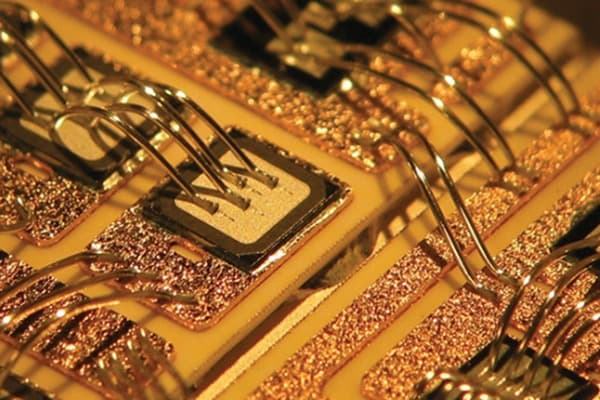
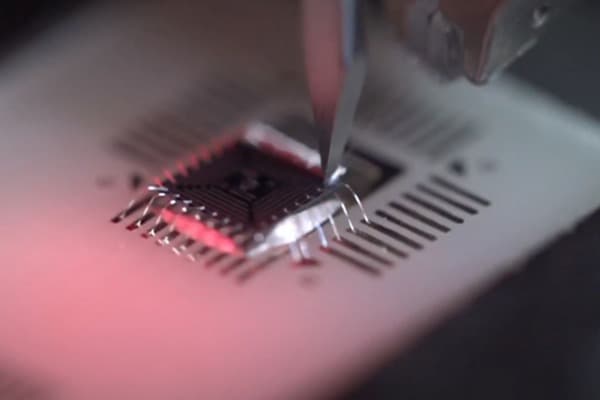
At its core, the wire bonding process is a method for making electrical connections between a semiconductor chip and its packaging, or between different components on a circuit board (PCB). Think of it as microscopic electrical wiring. The process for making these connections uses a combination of pressure, heat, and ultrasonic energy to attach a very fine wire (often thinner than a human hair) to two points, creating a solid-state weld.
The goal is to create a strong, reliable metallurgical bond that can conduct electricity and dissipate heat efficiently. A wire bond is formed without melting the wire in the traditional sense. Instead, ultrasonic energy is used to create a scrubbing motion between the wire and the surface (bond pad). This action clears away contaminants and allows the atoms of the wire and the pad to come into intimate contact, forming a durable bond. This highly controlled technique is the backbone of the modern semiconductor industry, enabling the complex and dense packaging of today's integrated circuits.
What are the Main Types of Wire Bonding Techniques?
While the goal is always the same—to create a reliable electrical bond—there are a few different methods to get there. The types of wire bonding are generally distinguished by the shape of the first bond and the type of tool used. The two most prominent wire bonding techniques are:
-
Ball Bonding: This is the most common wire bonding method. It starts by melting the end of the wire with an electric spark to form a small ball. This ball is then pressed onto the bond pad of the chip to form the first bond. The machine then loops the wire to the second location (on the substrate or PCB) and creates a stitch-like second bond before tearing the wire off. This technique is very fast and is primarily used with gold wire and copper wire.
-
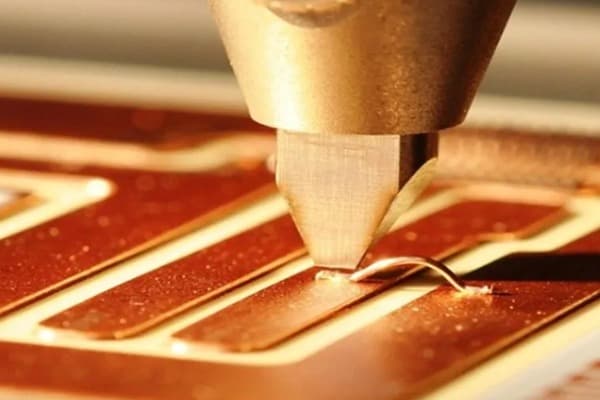
Wedge Bonding: In this technique, the wire is pressed against the bond pad at an angle by a wedge-shaped tool. Ultrasonic energy is applied to form a stitch bond. The machine then moves to the second pad and repeats the process to create the second bond. Wedge bonding can be performed with aluminum wire, gold wire, and copper wire, and is often preferred for high-frequency applications due to the lower wire loop profile it can achieve. A variation, known as ribbon bonding, uses a flat ribbon instead of a round wire for specialized applications.
How Do You Choose the Right Wire Material for a Bond?
The selection of wire is one of the most critical decisions in the wire bonding process. The choice of wire material impacts everything from cost and conductivity to the long-term reliability of the semiconductor device. The three primary materials used in wire bonding are gold, copper, and aluminum.
| Wire Material |
Advantages |
Disadvantages |
Common Applications |
| Gold (Au) |
Excellent corrosion resistance, high conductivity, easy to bond. |
High cost. |
High-reliability devices, hermetically sealed packages, medical implants. |
| Copper (Cu) |
Excellent electrical and thermal conductivity (better than gold), lower cost, higher strength. |
Prone to oxidation, requires a controlled atmosphere for bonding. |
Automotive electronics, power devices, LED packaging. |
| Aluminum (Al) |
Lowest cost, good bond strength, resistant to radiation. |
Lower conductivity than gold or copper, susceptible to fatigue. |
Power devices, high-temperature applications, battery packs. |
As an expert, I often advise clients that the choice isn't just about the material's properties but also its interaction with the bond pad metallurgy and the intended operating environmental conditions. For instance, while copper wire bonding offers superior performance, managing the oxidation of the wire requires a more advanced process. For many standard applications, aluminum wire provides a robust and cost-effective solution.
Why is the Wire Diameter So Important for a Reliable Bond?
The wire diameter is not an arbitrary choice; it is an engineered parameter critical to the bond's performance and reliability. A thicker wire can carry more electrical current without overheating, making it essential for power devices and applications with high current demands. Conversely, for high-density semiconductor chips with tightly packed bond pads, a very thin wire is needed to prevent short circuits.
Furthermore, the wire diameter plays a crucial role in the mechanical strength of the wire bond. A thicker wire naturally creates a stronger bond. The wire bond must be robust enough to withstand the stresses of the packaging process (like mold encapsulation) and the mechanical stress of its operating environment. We work closely with engineers to select the optimal wire that balances the electrical requirements, mechanical durability, and physical constraints of their design. This is a key factor to optimize the bonding process.
How is a Strong Wire Bond Actually Formed?
Creating a successful wire bond is a delicate dance between three key bonding parameters: force, ultrasonic energy, and time. A modern bonder controls these variables with incredible precision to form a perfect metallurgical bond.
- Bonding Force: The bonding tool applies a specific amount of force to press the wire against the bond pad. This force is crucial for ensuring intimate contact between the two surfaces and initiating the bond process.
- Ultrasonic Energy: This is the secret ingredient. While the wire is under pressure, the tool vibrates at high frequencies (typically 60-120 kHz). This ultrasonic scrubbing action breaks down oxide layers and contaminants, creating clean metal surfaces that can easily bond. It also causes localized plastic deformation, which facilitates the intermingling of atoms.
- Bond Time: This is the duration for which the force and ultrasonic energy are applied. It's usually just a few milliseconds but must be long enough to allow a complete and robust bond to form.
Getting this recipe right is essential for high bonding yield and long-term reliability. Any deviation can result in a weak bond or damage to the delicate semiconductor chip underneath the bond pad.
What are the Key Differences Between Wedge Bonding and Ball Bonding?
The choice between the two main wire bonding technologies—ball and wedge bonding—often depends on the requirements of the application. While both create a wire bond, their processes and results are distinct.
The ball bonding technique is generally faster because the tool doesn't need to rotate between the first bond and second bond. The capillary tool moves straight up and over to the substrate. This makes it the go-to choice for high-volume manufacturing of standard components. The initial ball bond is also strong and forgiving to variations in pad surface quality.
Wedge bonding, on the other hand, offers more flexibility. Because it creates a stitch bond at both ends, it doesn't require a tail like a ball bond, allowing for finer pitch (closer spacing) between bond pads. The resulting wire loop can be kept very low and flat, which is essential for high-frequency devices where signal integrity is paramount. This technique is also the only viable option for aluminum wire bonding. At Dongxin, we manufacture precision tools for both processes, including our Customized wedge bonding tool of aluminium wire welding auto equipment, which is designed for the demanding requirements of wedge bonding in automotive applications.
What Factors Determine the Overall Bond Strength and Reliability?
The reliability of the wire bonds is the ultimate measure of success. A single failed bond can render an entire device useless. The bond strength and long-term performance are influenced by a multitude of factors, which an experienced engineer must carefully manage.
- Bond Pad Quality: The bond pad on the chip and substrate must be clean, free of oxides, and have the correct metallurgy. Any contamination can lead to a weak or failed bond.
- Wire Quality: Using a high-quality wire with consistent diameter, purity, and strength is non-negotiable for a reliable bond.
- Bonding Parameters: As discussed, the force, ultrasonic energy, and time must be perfectly tuned for the specific wire material, diameter, and bond pad materials.
- Environmental Conditions: Factors like temperature and humidity can affect the bond over time. For example, the combination of aluminum wire and gold pads can lead to the formation of brittle intermetallics (often called "purple plague") at high temperatures, which can cause the bond to fail.
- Mechanical Stress: The wire loop shape and height must be controlled to ensure the wire bond can withstand the stresses of encapsulation and thermal cycling without fatigue.
Why is Wire Bonding Still a Dominant Technique Today?
In an industry defined by rapid change, wire bonding has remained a dominant interconnection technology for over 50 years. There are several reasons for its enduring success. First, wire bonding provides incredible flexibility. It can connect pads at different heights and angles, a feat that is difficult for other technologies like flip-chip.
Second, it is incredibly cost-effective. The infrastructure and knowledge base for wire bonding are mature and widespread, making it the most economical solution for a vast range of applications. Finally, its reliability is proven. When done correctly, wire bonding connections are extremely robust and have a track record spanning billions of devices, from simple consumer electronics to critical systems in aerospace and medicine. While newer technologies are emerging, wire bonding is a crucial and indispensable part of the semiconductor packaging landscape.
What are Common Challenges in the Wire Bonding Process?
Despite its maturity, the wire bonding process is not without its challenges. Achieving a perfect bond every time, especially at high speeds, requires constant vigilance and process control. One of the biggest enemies of a good bond is contamination on the bond pad. Even a microscopic layer of oil or oxide can prevent a proper metallurgical bond from forming. This is why cleanroom conditions and proper material handling are so important in PCB manufacturing.
Another challenge is tool wear. The bonding tool, whether a wedge or a capillary, wears down over time. This wear can affect the shape of the bond and lead to inconsistent results. Regular inspection and replacement of tools are essential. Finally, process drift, where bonding parameters slowly shift over time due to machine wear or environmental changes, can impact bond quality. This is why data logging and statistical process control are critical for maintaining a high-yield operation.
How Can You Optimize Your Bonding Technique for High Yield?
As someone who helps customers optimize their processes, I believe success comes down to a holistic approach. First, start with the best materials. This means using a high-purity wire from a reputable supplier like our High quality low price Germany import aluminium bonding wire/ribbon/strip and ensuring your semiconductor chips and substrates have clean, consistent bond pads.
Second, invest in high-quality tooling and maintain it meticulously. A precision tool like our Original manufacturer long life bonding machine consumables thick copper wire V groove wedge bonding tool can make a significant difference in bond consistency and tool life. Third, perform rigorous process characterization. Don't just use the manufacturer's default settings. You need to experimentally determine the optimal bonding parameters for your specific application to create the widest possible process window. Finally, implement robust process monitoring. Use the machine's built-in sensors and periodic destructive tests (like the wire pull test) to ensure your process remains in control and your bond quality never wavers.
Key Takeaways
The wire bond is a small component with a monumental responsibility. Mastering this technology is key to producing reliable and high-performance electronic devices. Here are the most important things to remember:
- The Foundation: Wire bonding is a solid-state welding process that uses ultrasonic energy, force, and time to create electrical interconnections.
- The Main Types: The two primary wire bonding techniques are ball bonding (fast, common for gold/copper) and wedge bonding (flexible, necessary for aluminum).
- Material Matters: The choice of wire material—gold, copper, or aluminum—is a critical design decision that balances cost, performance, and reliability.
- Parameters are Key: A successful bond depends on the precise control of bonding parameters (force, energy, time) tailored to the specific materials being used.
- Reliability is Everything: The long-term performance of a wire bond is influenced by numerous factors, including material quality, process control, and environmental conditions.
- A Proven Technology: Despite its age, wire bonding remains a dominant and indispensable interconnection technology in the semiconductor world due to its flexibility, cost-effectiveness, and proven track record.