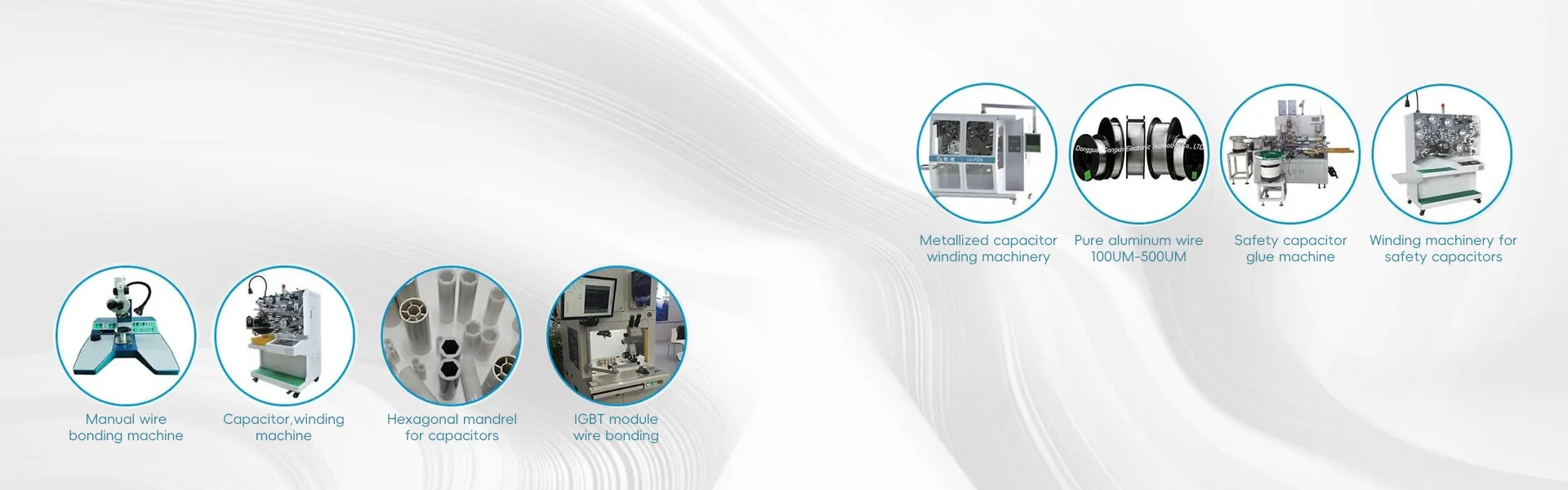
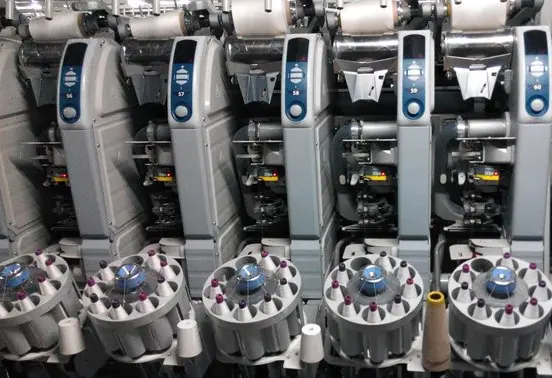
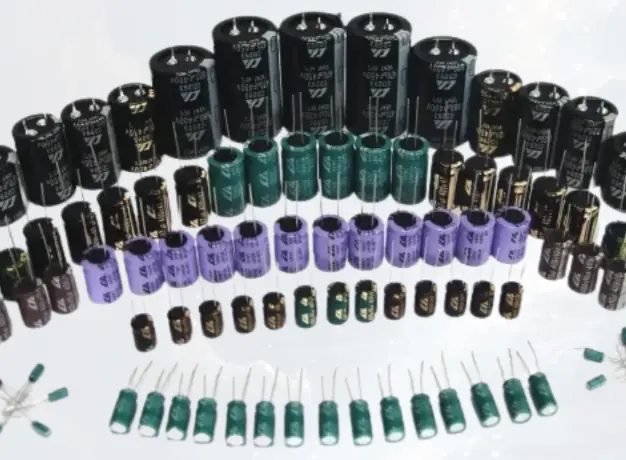
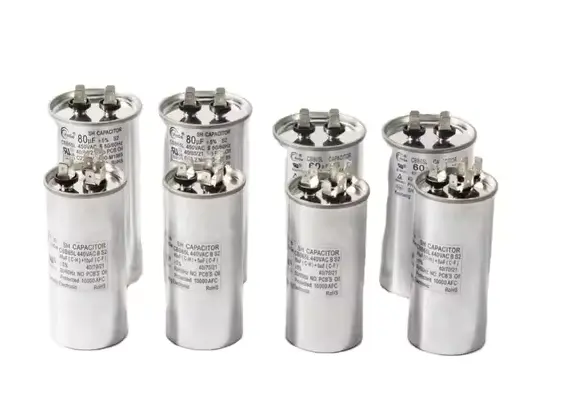
A capacitor winding machine forms the internal winding element of many film capacitors by layering dielectric film and electrode material around a mandrel or winding core. Consistent tension, alignment, and winding length are essential because small setup errors can affect the finished capacitor’s electrical reliability and mechanical quality.
Whether using automated equipment or a manual capacitor winding machine, operators should follow the machine manufacturer’s operating instructions, site safety procedures, and the approved process specification for the capacitor design.
What Does a Capacitor Winding Machine Do?
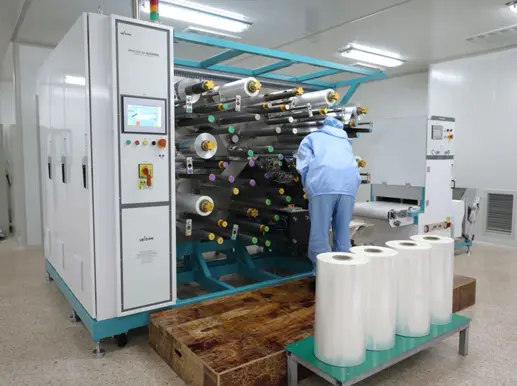
A capacitor winding machine feeds dielectric film, metallized film, foil, or separator materials through guide rollers and tension controls before winding them onto a core.
Depending on the machine design, the equipment may include:
- Material unwind shafts or spool holders
- Guide rollers
- Tension-control devices
- Edge-alignment guides
- Winding mandrels or shafts
- Mechanical crank, motor drive, or servo drive
- Counter or length-control system
- Emergency-stop device
- Cutting, folding, or termination features
Manual machines are commonly used for small batches, repair work, samples, training, or specialized production. Automated systems are more suitable for high-volume manufacturing and consistent repeat production.
Safety Before Operation
Before operating any winding equipment, confirm that the machine is isolated during setup and that all guards, covers, emergency stops, and safety devices are functional.
Operators should avoid loose clothing, jewelry, gloves that can catch in rotating parts, and unsecured hair. Keep hands away from rotating mandrels, rollers, belts, and pinch points.
Only trained personnel should adjust electrical controls, pneumatic systems, safety interlocks, or drive components. Follow lockout and isolation procedures before maintenance or clearing a jam.
Step 1: Inspect the Machine
Start with a visual inspection. Check that the frame, roller assemblies, mandrel, guides, drive system, and fasteners are clean and undamaged.
Verify that:
- The machine is stable and level
- Roller surfaces are clean
- Guides move smoothly
- The mandrel is correctly installed
- Tension devices operate freely
- Counters or controls are set to the correct mode
- Required safety guards are in place
- The work area is clean and well-lit
Any damaged guide, rough roller, or loose fastener can affect film tracking and winding quality.
Step 2: Prepare the Winding Materials
Use only the approved film, foil, metallized film, core, and process materials for the product being made. Confirm the material width, thickness, batch identification, and orientation against the production specification.
Place supply rolls on the correct unwind shafts and secure them according to the machine instructions. Ensure the material can unwind smoothly without rubbing against nearby components.
Keep films clean and protected from dust, fingerprints, moisture, and sharp edges. Contamination or scratches can create defects in the capacitor element.
Step 3: Thread the Film Through the Guides
Thread the film through the prescribed roller path and alignment guides. Follow the machine diagram or standard operating procedure because roller paths differ between models.
The film should travel straight, without wrinkles, edge damage, or excessive contact with machine parts. Adjust the guide position so the material tracks correctly into the winding area.
For multi-layer designs, confirm the sequence and relative position of each film or foil before beginning the winding cycle.
Step 4: Set Tension and Winding Parameters
Correct tension is one of the most important settings. Too little tension can produce loose, uneven windings. Too much tension can stretch, damage, or deform thin film materials.
Set the tension according to the approved product specification. On a manual capacitor winding machine, tension may be controlled mechanically through friction brakes, springs, rollers, or adjustable knobs.
Also verify:
- Winding direction
- Target winding length or turn count
- Mandrel diameter
- Material overlap or offset
- Required edge margin
- Rotation speed
- Cut or stop position
Do not guess these settings. Use the approved process sheet for the capacitor design.
Step 5: Run a Trial Winding
Before starting a full production run, make a trial winding. Operate the machine slowly and observe material tracking, tension stability, edge alignment, and winding build.
Stop the machine immediately if the film wrinkles, shifts sideways, tears, or winds unevenly. Correct the cause before continuing.
A successful trial winding should show a tight, even roll with consistent edges and no visible contamination, folds, or loose layers.
Step 6: Begin Production Winding
Once the trial piece meets the quality requirement, begin normal operation at the approved speed. Continue monitoring the film path, tension device, guide position, and finished winding appearance.
For manual operation, maintain smooth and consistent handle or drive movement. Sudden acceleration, stopping, or uneven rotation can affect winding density and alignment.
Record the required production information, such as operator identification, material batch, machine setting, winding count, and inspection results.
Step 7: Inspect the Finished Winding
After winding, inspect the capacitor core according to the quality-control plan. Typical checks may include:
- Winding width and diameter
- Edge alignment
- Winding tightness
- Visible wrinkles or telescoping
- Material damage
- Correct lead or foil position
- Cleanliness and identification
Only cores that meet the approved criteria should proceed to the next manufacturing stage, such as end-spray, termination, assembly, impregnation, or electrical testing.
Common Problems and Basic Checks
Loose or Uneven Winding
Check tension settings, material feed resistance, roller cleanliness, and winding speed. Ensure the material is correctly seated in the guides.
Film Wrinkles
Inspect roller alignment, film tracking, guide positions, and supply-roll condition. Wrinkles can also result from uneven tension across the material width.
Off-Centre Winding
Adjust the edge guides and confirm that the film is entering the mandrel squarely. Check whether the supply roll is mounted correctly.
Film Breakage
Reduce excessive tension, inspect for sharp edges or damaged rollers, and verify that the film material is appropriate for the operation.
Maintenance for Reliable Performance
Clean the machine regularly to remove dust, film debris, and adhesive residue. Inspect rollers, bearings, tension components, drive belts, counters, and fasteners according to the maintenance schedule.
Keep records of adjustments, repairs, and calibration checks. Consistent maintenance helps protect film quality and reduces unexpected downtime.
Conclusion
Operating a capacitor winding machine requires controlled material handling, accurate tension, stable alignment, and disciplined inspection. A manual capacitor winding machine can provide effective control for low-volume or specialized production, but only when operators follow the correct setup and safety procedures.
Use approved materials, perform trial windings, monitor the process closely, and rely on the equipment manufacturer’s manual for machine-specific settings. This approach supports more consistent capacitor cores and a safer manufacturing environment.