As the founder of Dongxin Electronic Technology, I, Kevin, have spent countless hours in deep technical dives with engineers like Marcus from Germany. Our conversations often go beyond the specifications of a single component to the foundational manufacturing processes that create them. One of the most enduring of these is plunger injection molding. While modern screw-based machines are more common today, understanding the mechanics, advantages, and specific applications of the classic plunger injection mold is not just an academic exercise. For an engineer, it's about knowing the full spectrum of tools available to solve a problem. This article will demystify the plunger injection molding process, explain its unique place in modern production, and demonstrate why this original injection molding machine technology is still a powerful solution for creating the perfect mould.
What Exactly is the Plunger Injection Molding Process?
A plunger injection molding process is one of the original and most straightforward molding methods for creating plastic parts. At its core, the concept is simple: take a solid plastik material, melt it, and then use a powerful plunger pou inject it into a closed mold. Inside the injection mold, the molten material fills a precisely shaped cavity, cools, and solidifies into the desired part. The mold then opens, the part is ejected, and the cycle begins again.
This method was the backbone of the plastic injection industry for decades. The machinery consists of three main parts: the injection unit (which houses the plunger ak barrel), the mould clamping unit, and the mould itself. The injection unit's job is to prepare the molten plastik and force it into the mould. The clamping unit holds the two halves of the injection mold together with immense force to resist the injection pressure. A plunger is the heart of the injection unit, acting like a powerful piston to push the molding material forward. Understanding this fundamental process is key to appreciating both its strengths and limitations.
How Does a Plunger Injection Mold Machine Mechanically Work?
The mechanical operation of plunger injection molding machines is a study in powerful simplicity. Let's walk through a single cycle. First, plastik in the form of small pellets is fed from a hopper into the back of a long, heated barrel. Inside this barrel is a large, hydraulically driven plunger.
When the cycle begins, the hydraulic cylinder actuates, and the plunger begins to move forward. As the plunger pushes the pellets forward, they are compacted and forced against the hot inner walls of the barrel. A torpedo-shaped spreader, sometimes called a cone, is often placed in the center of the barrel. This device forces the plastik into a thinner layer against the heated surface, aiding the melting process. As the plunger continues its stroke, a buffer de molten plastic accumulates in front of the plunger, near the nozzle. In the final stage, the plunger delivers a high-speed, high-pressure push, forcing this molten charge out through the nozzle and into the closed injection mold. The entire system operates on one of the main axes nan la injection machine.
What is the Critical Role of the Mould in Plunger Injection?
Regardless of the injection technology, the mould is the most critical component in the entire process. You can have the most powerful injection machine, but the final part quality is ultimately defined by the precision and quality of the injection mold. A mould is a complex tool, typically made from hardened steel, containing the cavity that will form the part, channels for cooling, and a system for ejecting the finished component.
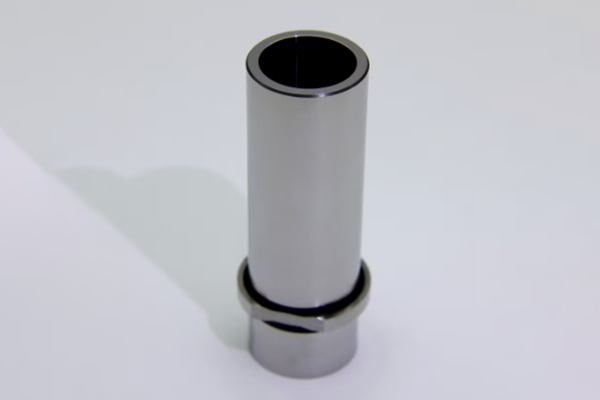
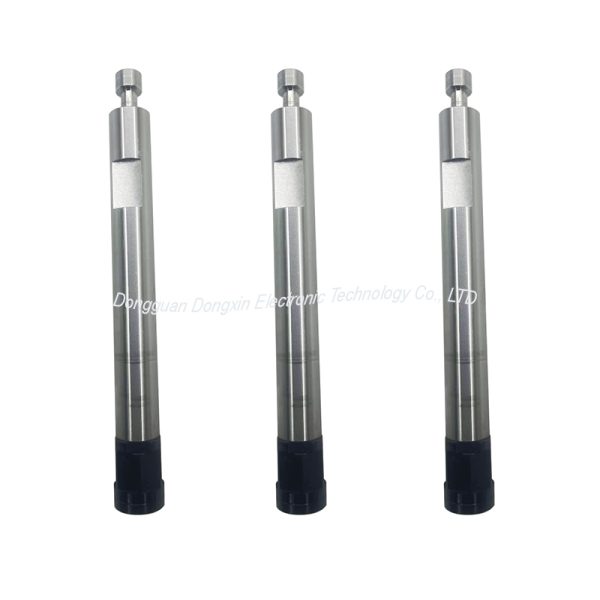
In some forms of molding, like transfer molding (a common process for semiconductor packaging), the plunger is an integral part of the mould assembly itself. A precise charge of molding material is placed into a "pot," and a plunger then pushes it from the pot into the part cavities. The precision of this plunger and pot system is paramount. Any wear or incorrect tolerance can lead to material leakage (flash), incomplete parts, or damage to the mould. That's why high-quality tooling, like a perfectly machined MGP mold plunger bar and pot set, is non-negotiable for producing high-quality parts. The mould dictates the final shape, and a high-quality plunger asire a molten material gets there correctly.
How Does Plunger Injection Differ from Screw Injection Molding?
The arrival of the reciprocating screw injection molding machine was a revolution in the plastik industry. The primary difference between plunger injection ak screw injection lies in how the plastik is melted, or "plasticized," and then injected.
A plunger system, as we've seen, relies on conduction. The heat must travel from the outer heater bands on the barrel to melt the plastik from the outside in. This can be an inefficient process, especially with plastics that have poor thermal conductivity, and it doesn't effectively mix the material.
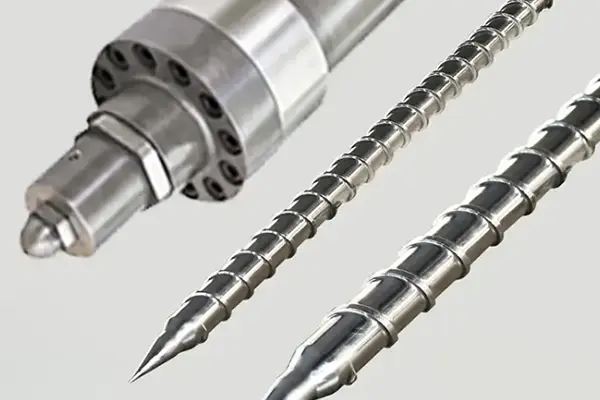
A screw injection system, however, uses a rotating screw inside the barrel. As the screw turns, it does three things simultaneously: it conveys the plastik pellets forward, it generates intense shear heat through friction as the pellets tumble over the screw flights, and it thoroughly mixes the material. This results in a much more uniform and consistent melt. After melting, the screw stops rotating and acts like a plunger, pushing forward to inject the plastik. This superior plasticizing is the main reason screw machines are more lajman itilize pou thermoplastic materials today.
| Patikilarite | Plunger Injection Molding | Screw Injection Molding |
| Melting (Plasticizing) | Relies on conduction from the barrel | Combines conduction with shear heat from a rotating screw |
| Material Mixing | Poor; often results in uneven temperature | Excellent; provides a homogeneous, consistent melt |
| Injection Control | Less precise shot size control | Highly precise shot size control |
| Ideal Materials | Thermosetting plastics, some elastomers | Thermoplastic materials, wide variety of polymers |
| Production Efficiency | Generally slower cycle times | Faster cycle times due to better plasticizing |
What are the Main Advantages of Using Plunger Molding Methods?
Despite the dominance of the screw, plunger injection molding holds several unique advantages that keep it relevant for specific applications. Its biggest advantage is its mechanical simplicity. With fewer moving parts, plunger injection molding machines can be less expensive to build, operate, and maintain.
This simplicity is particularly beneficial when working with thermosetting plastics. These are materials that undergo a chemical change and permanently harden when heated. The high shear action of a screw can generate too much friction and cause the thermoset to cure prematurely inside the barrel, a catastrophic failure. A plunger system provides gentler heating, allowing the material to flow into the hot injection mold where the curing is supposed to happen. Additionally, for certain shear-sensitive materials, the direct push nan yon plunger can be less damaging. This makes plunger injection the preferred method for certain types of plastic and rubber molding. Finally, because the plunger can deliver a very fast shot, it can be advantageous for thin-walled parts that need to be filled quickly before they solidify.
Are There Significant Disadvantages to the Plunger Injection Technique?
Yes, there are several significant disadvantages nan la plunger injection method, which is why it's less common for general-purpose molding. The primary drawback is the inefficient and non-uniform heating of the plastik. Because the material is heated from the outside in, the outer layer can become overheated while the core remains semi-solid. This can lead to a number of part defects.
This inconsistent melt results in:
- Poor Repeatability: Variations in the melt temperature from shot to shot can cause inconsistencies in part dimensions and strength.
- Material Degradation: La plastik that stays in contact with the hot barrel wall for too long can burn or degrade, weakening the final part.
- Higher Injection Pressure Required: Because the melt is not as fluid, a plunger often requires higher injection pressure to fill the mould, putting more stress on the machinery ak la injection mold.
- Trapped Air: The tumbling action of the pellets being pushed by the plunger can trap air, which can lead to a void ou bubble in the finished part, creating a weak spot or surface defect.
Sa yo disadvantages mean that plunger injection molding machines aren’t well-suited for high-precision, large production runs of most common thermoplastics.
What Types of Plastic and Materials are Best for Plunger Injection?
The material selection is where plunger injection finds its modern niche. The plunger injection molding uses are most effective for materials that do not benefit from the high-shear mixing of a screw.
The ideal candidates are:
- Thermosetting Plastics: Materials like phenolics, epoxies, and bulk molding compounds (BMCs) are perfect for plunger systems. The gentle heating and lack of shear prevent premature curing. This is the single largest application for plunger-based systems today.
- Elastomers and Rubber: Many types of rubber are also processed using plunger injection to avoid the high shear that can damage the material's long polymer chains.
- Highly Abrasive or Corrosive Materials: Because the plunger is a simpler, more robust component than a complex screw, it can sometimes offer a more durable solution when working with materials that are very abrasive (e.g., filled with glass fibers) or corrosive.
It is generally not recommended for most common thermoplastics like polyethylene, polypropylene, or ABS, where the superior plasticizing nan yon screw is needed to achieve high-quality results and good fluidity.
How is the Plastic Plasticizing Handled in a Plunger Barrel?
The term "plasticizing" refers to the process of converting solid plastik pellets into a uniform, injectable melt. In a plunger injection mold system, this is a relatively passive process. The plunger itself does very little to melt the material; its main job is to push it forward. The melting is almost entirely accomplished by conductive heat transfer.
Heater bands are wrapped around the outside of the barrel. Sa yo heaters heat the steel barrel to a set temperature. As the plunger forces the solid pellets down the barrel, they come into contact with the hot inner walls and begin to melt. To improve this inefficient process, a spreader or "torpedo" is often fixed in the middle of the barrel. This torpedo is a piece of metal, often a cone shape, that forces the plastik to flow in a thin layer between the torpedo and the barrel wall. This increases the surface area exposed to heat and helps to mix the material slightly, but it is still far less effective than the active mixing of a screw. The quality of the plasticizing is a known limitation of the plunger injection teknik.
Can a Plunger Mold Produce Complex Plastic Parts?
Yes, a plunger injection mold can produce parts with a fair degree of complexity, but it has limitations. The ability of any injection molding process to create complex shapes depends on the flow rate and consistency of the molten plastic. Because the melt from a plunger system can be inconsistent in temperature and viscosity, it can struggle to fill very thin walls or intricate details in a large mould before it starts to cool and solidify.
However, for small to medium-sized parts, especially those with thicker wall sections, a plunger system can be perfectly adequate. The success of molding complex shapes often comes down to the design of the injection mold itself. A well-designed mould with properly sized gates (the entry points into the mold cavity) and vents (to allow trapped air to escape) can compensate for some of the shortcomings of the plunger's melt. Furthermore, in transfer molding, where the plunger is part of the mould, it is routinely used to produce extremely complex and precise electronic components. So while it may not be the first choice, it is certainly possible to use a plunger for complex geometries.
Why is Plunger Injection Still Relevant in Modern Manufacturing?
In an era dominated by high-tech screw machines, the plunger system maintains its relevance by being the best tool for specific jobs. Its primary modern application is in the molding of thermosets and rubber, where its gentle heating is a significant advantage. The entire semiconductor packaging industry relies on a form of plunger molding (transfer molding) to encapsulate delicate silicon chips. The precision required for this task is immense, and it highlights the capability of a well-engineered plunger ak mould system, like the customized high-end MGP mold plunger we specialize in at Dongxin.
Furthermore, the simplicity and lower cost of plunger injection molding machines make them an attractive option for certain types of insert molding, where a pre-made component (like a metal screw) is placed into the mould ak plastik is injected around it. The direct push nan la plunger can sometimes be less likely to dislodge the insert. Because they are mechanically simpler, manufacturers often find them to be a reliable and cost-effective solution for these specialized tasks, where high otomatizasyon and the ultimate production efficiency nan yon screw machine are not the primary goals. The plunger may be an old technology, but in the right context, it is far from obsolete.
Takeaways kle
Understanding the nuances of the plunger injection mold process is essential for any engineer involved in plastik part manufacturing. Here are the most critical points to remember:
- Fundamental Process: Plunger injection is a classic molding method that uses a hydraulic plunger pou push molten plastik into a mould.
- Key Difference: Unlike a screw machine that uses shear heat for excellent mixing, a plunger relies on less efficient conductive heating, resulting in a less uniform melt.
- Primary Advantage: Its mechanical simplicity and gentle heating make it the ideal choice for thermosetting plastics, rubber, and other shear-sensitive materials.
- The Mould is Paramount: The quality of the final part is determined by the precision of the injection mold. In many systems, the plunger itself is a critical, high-precision component of the mould assembly.
- Modern Niche: While less common for general thermoplastics, plunger injection molding remains a vital process in semiconductor manufacturing, transfer molding, and for specific elastomer applications.