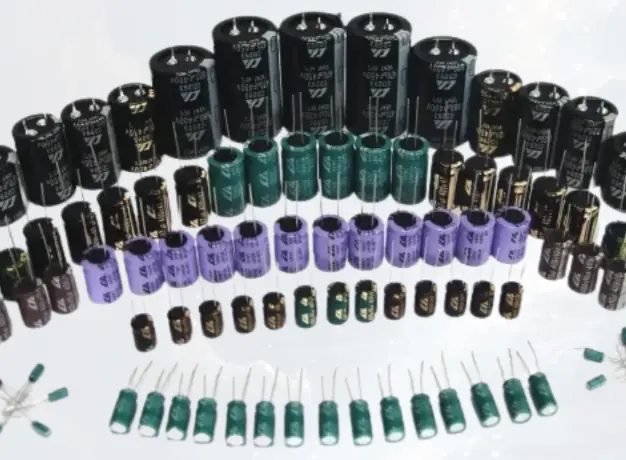
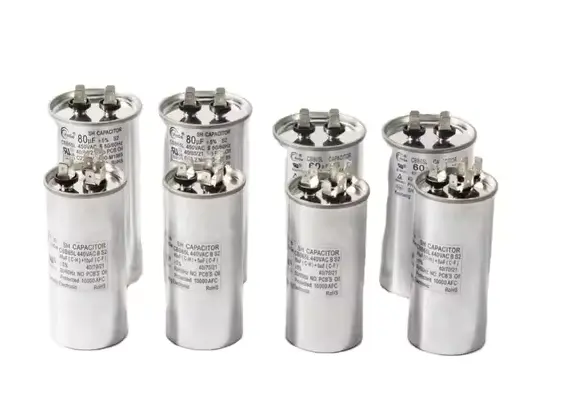
Aluminum electrolytic capacitors can last anywhere from a few thousand hours to many years, depending on temperature, ripple current, voltage stress, capacitance, electrolyte quality, sealing design, and operating environment. A capacitor rated for 2,000 hours at 105 C does not mean it will fail after 2,000 hours in normal use. It means the part is tested for that rated lifetime under high-temperature conditions.
In real equipment, if the capacitor operates at a lower temperature and within its electrical limits, its service life can be much longer. This is why engineers and purchasing teams often work closely with aluminum electrolytic capacitor manufacturers to select the right series, voltage rating, temperature rating, and lifetime grade for each application.
Why Lifetime Is a Key Issue
Aluminum electrolytic capacitors are widely used in power supplies, LED drivers, inverters, chargers, motor drives, industrial controls, audio equipment, household appliances, and renewable energy systems. They are valued for high capacitance, compact size, and cost efficiency.
However, they contain electrolyte. Over time, heat and electrical stress can cause electrolyte loss, increased equivalent series resistance, reduced capacitance, leakage current changes, and eventually failure. This makes lifetime planning especially important in equipment expected to run continuously.
Understanding Rated Lifetime
Capacitor datasheets often list lifetime in hours at a maximum temperature, such as:
- 1,000 hours at 105 C
- 2,000 hours at 105 C
- 5,000 hours at 105 C
- 10,000 hours at 105 C
This is not the same as actual life in a product. A capacitor rated for 5,000 hours at 105 C may last far longer if it operates at 65 C, with moderate ripple current and proper ventilation.
The rated lifetime is a controlled test reference. Engineers use it to compare product series and estimate service life under real conditions.
The Temperature Rule
Temperature is the biggest factor affecting aluminum electrolytic capacitor life. As temperature rises, electrolyte dries out faster and internal chemical aging accelerates.
A common engineering rule is that capacitor life may roughly double for every 10 C reduction in core temperature, within reasonable operating limits. For example, a capacitor rated 2,000 hours at 105 C may last much longer at 85 C, and longer still at 65 C.
This rule is only an estimate. Actual life depends on the capacitor design and operating conditions, but it shows why thermal management matters so much.
Ripple Current and Heat
Ripple current creates internal heating inside the capacitor. Even if the surrounding air is not extremely hot, high ripple current can raise the capacitor’s core temperature.
High ripple current may lead to:
- Faster electrolyte evaporation
- Higher internal temperature
- Increased ESR
- Reduced capacitance
- Shorter service life
- Possible venting or failure
When choosing capacitors, engineers should compare ripple current rating with actual circuit conditions. Reliable aluminum electrolytic capacitor manufacturers provide ripple current specifications to help designers avoid undersizing.
Voltage Stress
Operating a capacitor close to its maximum rated voltage can increase stress. Using a suitable voltage margin can improve reliability.
For example, a circuit with 24V DC may use a capacitor rated above 24V, depending on ripple, surge, temperature, and safety margin. In high-reliability designs, engineers avoid operating capacitors continuously at the absolute limit.
However, oversizing voltage too much can affect size, cost, and sometimes performance, so selection should be balanced.
Application Environment
Capacitor life also depends on where the part is used.
Power Supplies
In switching power supplies, capacitors face ripple current, heat from nearby components, and continuous operation. Lifetime selection is critical.
LED Drivers
LED drivers are often installed in hot enclosures. Capacitor lifetime can directly affect lighting reliability.
Motor Drives and Inverters
These systems may expose capacitors to ripple current, vibration, heat, and voltage spikes.
Automotive and Outdoor Electronics
Temperature cycling, humidity, vibration, and long operating hours can shorten capacitor life if the wrong part is selected.
Signs of Aging
Aging aluminum electrolytic capacitors may show visible or electrical symptoms.
Possible signs include:
- Bulging top vent
- Leakage
- Shrink sleeve discoloration
- Increased ESR
- Reduced capacitance
- Unstable power output
- Noise or ripple problems
- Hard starting in power circuits
- Intermittent operation
- Complete circuit failure
Not all failures are visible. Some capacitors degrade electrically while looking normal from the outside.
How to Extend Capacitor Life
Designers and equipment manufacturers can improve lifetime by controlling stress.
Useful practices include:
- Choose a higher lifetime-rated series.
- Keep operating temperature low.
- Provide airflow or heat sinking.
- Avoid placing capacitors near hot components.
- Use proper voltage margin.
- Select adequate ripple current rating.
- Use suitable capacitance value.
- Avoid excessive vibration.
- Protect against humidity when required.
- Follow soldering temperature guidelines.
- Work with qualified suppliers.
Good layout and thermal design can be as important as capacitor selection.
What Buyers Should Ask Manufacturers
When comparing suppliers, ask:
- What lifetime ratings are available?
- What temperature ratings are offered?
- What ripple current data is provided?
- Are low-ESR series available?
- What voltage and capacitance ranges are standard?
- What quality control process is used?
- Are endurance test results available?
- Can the capacitor meet application-specific requirements?
- What packaging and storage guidance is provided?
- Is technical support available for selection?
Experienced aluminum electrolytic capacitor manufacturers can help match capacitor series to the circuit rather than only quoting a part number.
Storage Life Matters Too
Capacitors can age in storage, especially if stored for many years or in high heat. Long storage may increase leakage current or require voltage reforming before use, depending on the product and storage duration.
Buyers should store capacitors in dry, moderate-temperature conditions and follow supplier recommendations for shelf life.
Conclusion
Aluminum electrolytic capacitors may last from a few thousand rated hours to many years in actual equipment. Their lifetime depends heavily on temperature, ripple current, voltage stress, electrolyte quality, sealing design, and circuit environment.
A capacitor’s datasheet lifetime is a reference tested under high-temperature conditions, not a simple expiration date. By selecting the right series, reducing heat, allowing voltage and ripple margin, and working with reliable aluminum electrolytic capacitor manufacturers, engineers can improve equipment reliability and reduce early failures.
For aluminum electrolytic capacitor product information, visit DGDX Electronics.