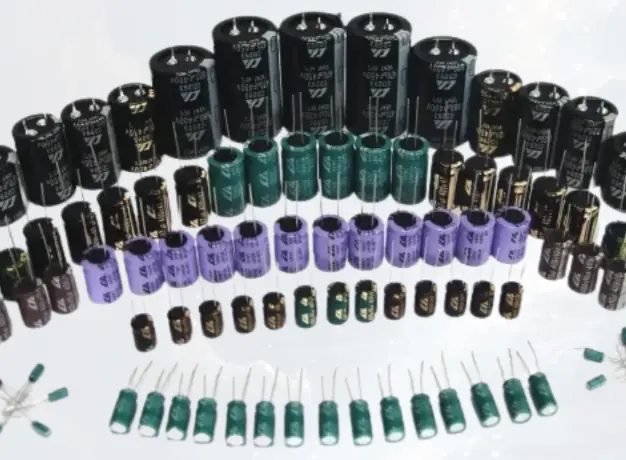
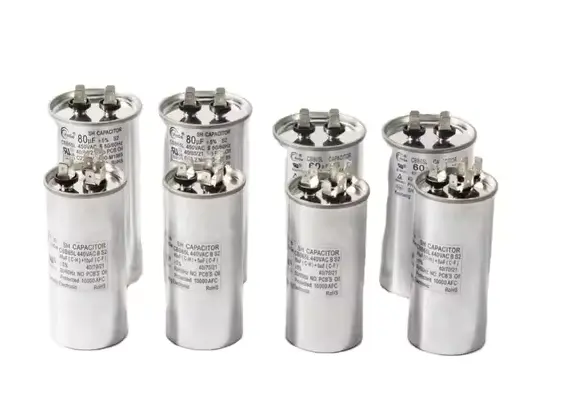
Aluminum electrolytic capacitors can last anywhere from a few thousand hours to many years, depending on temperature, ripple current, voltage stress, capacitance, electrolyte quality, sealing design, and operating environment. Capacitor e lekantsoeng lihora tsa 2,000 ho 105 C ha e bolele hore e tla hlōleha ka mor'a lihora tsa 2,000 ka tšebeliso e tloaelehileng. Ho bolela hore karolo e lekoa bakeng sa bophelo bohle bo lekantsoeng tlas'a maemo a phahameng a mocheso.
Lisebelisoa tsa sebele, haeba capacitor e sebetsa ka mocheso o tlaase le ka har'a meeli ea eona ea motlakase, bophelo ba eona ba tšebeletso bo ka ba nako e telele haholo. Ke ka lebaka leo baenjiniere le lihlopha tsa bareki ba atisang ho sebetsa haufi-ufi baetsi ba aluminium electrolytic capacitor ho khetha letoto le nepahetseng, boemo ba motlakase, boemo ba mocheso, le boemo ba bophelo bohle ba sesebelisoa ka seng.
Lebaka Leo Bophelo Bohle e Leng Taba ea Bohlokoa
Aluminum electrolytic capacitors are widely used in power supplies, LED drivers, inverters, chargers, motor drives, industrial controls, audio equipment, household appliances, and renewable energy systems. Li nkoa e le tsa bohlokoa bakeng sa bokhoni bo phahameng, boholo bo kopanetsoeng, le katleho ea litšenyehelo.
However, they contain electrolyte. Over time, heat and electrical stress can cause electrolyte loss, increased equivalent series resistance, reduced capacitance, leakage current changes, and eventually failure. Sena se etsa hore moralo oa bophelo bohle e be oa bohlokoa haholo ho lisebelisoa tse lebelletsoeng ho sebetsa khafetsa.
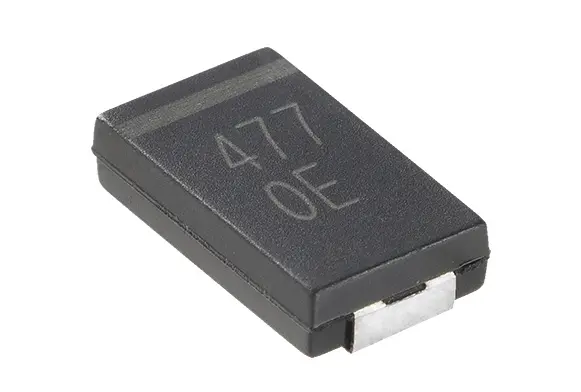
Kutloisiso Rated Lifetime
Li-database tsa capacitor hangata li thathamisa bophelo ba lihora tse ngata ka mocheso o phahameng, joalo ka:
- Lihora tse 1,000 ka 105 C
- Lihora tse 2,000 ka 105 C
- Lihora tse 5,000 ka 105 C
- Lihora tse 10,000 ka 105 C
Sena ha se tšoane le bophelo ba sebele sehlahisoa. Capacitor e lekantsoeng lihora tse 5,000 ho 105 C e ka nka nako e telele haholo haeba e sebetsa ho 65 C, e na le moea o itekanetseng oa hona joale le moea o nepahetseng.
Nako ea bophelo bohle ke referense e laoloang ea teko. Engineers use it to compare product series and estimate service life under real conditions.
Molao oa Mocheso
Mocheso ke ntho e kholo ka ho fetisisa e amang bophelo ba aluminium electrolytic capacitor. Ha mocheso o ntse o phahama, electrolyte e omella kapele 'me botsofali ba lik'hemik'hale bo ka hare bo potlakisa.
A common engineering rule is that capacitor life may roughly double for every 10 C reduction in core temperature, within reasonable operating limits. Mohlala, capacitor e lekanyelitsoeng lihora tse 2,000 ho 105 C e ka nka nako e telele ho 85 C, mme nako e telele e ntse e le 65 C.
Molao ona ke khakanyo feela. Bophelo ba 'nete bo itšetlehile ka moralo oa capacitor le maemo a ts'ebetso, empa e bontša hore na ke hobane'ng ha tsamaiso ea mocheso e le ea bohlokoa hakana.
Ripple Current le Mocheso
Ripple current e etsa hore ho futhumale ka hare ho capacitor. Esita le haeba moea o potolohileng o sa chese haholo, maqhubu a phahameng a phallang a ka phahamisa mocheso oa mantlha oa capacitor.
Ho phahama ha metsi ho ka lebisa ho:
- Mouoane o potlakileng oa electrolyte
- Mocheso o phahameng oa ka hare
- ESR e eketseha
- Matla a fokotsehileng
- Bophelo bo bokhutšoanyane ba tšebeletso
- Ho folotsa kapa ho hloleha ho ka etsahalang
Ha u khetha li-capacitor, lienjineri li lokela ho bapisa litekanyetso tsa hona joale tsa ripple le maemo a 'nete a potoloho. Reliable baetsi ba aluminium electrolytic capacitor fana ka litlhaloso tsa hona joale tsa ripple ho thusa baqapi ho qoba ho fokotseha.
Khatello ea Voltage
Ho sebetsa capacitor haufi le matla a eona a holimo ho ka eketsa khatello ea maikutlo. Ho sebelisa moeli o loketseng oa motlakase ho ka ntlafatsa ts'epo.
Ka mohlala, potoloho e nang le 24V DC e ka sebelisa capacitor e behiloeng ka holimo ho 24V, ho itšetlehile ka ripple, surge, thempereichara, le moeli oa polokeho. In high-reliability designs, engineers avoid operating capacitors continuously at the absolute limit.
Leha ho le joalo, ho fetella ha motlakase ho ka ama boholo, litšenyehelo, 'me ka linako tse ling ts'ebetso, kahoo khetho e lokela ho ba e leka-lekaneng.
Tikoloho ea Kopo
Bophelo ba capacitor bo boetse bo itšetlehile ka hore na karolo e sebelisoa hokae.
Lisebelisoa tsa Matla
Ha o fetola lisebelisoa tsa motlakase, li-capacitor li tobana le hona joale, mocheso o tsoang ho likarolo tse haufi, le ts'ebetso e tsoelang pele. Lifetime selection is critical.
Bakhanni ba LED
Hangata bakhanni ba LED ba kenngoa libakeng tse chesang tse chesang. Capacitor lifetime can directly affect lighting reliability.
Likoloi tsa makoloi le li-inverters
Litsamaiso tsena li ka pepesetsa li-capacitor ho ripple current, vibration, heat, le voltage spikes.
Electronics ea Likoloi le Kantle
Ho palama baesekele ea mocheso, mongobo, ho sisinyeha, le lihora tse telele tsa ts'ebetso li ka khutsufatsa bophelo ba capacitor haeba ho khethiloe karolo e fosahetseng.
Matšoao a Botsofali
Li-capacitor tse tsofetseng tsa aluminium electrolytic li ka bonts'a matšoao a bonahalang kapa a motlakase.
Matšoao a ka bang teng a kenyelletsa:
- Mokokotlo o ka holimo o bulging
- Ho dutla
- Ho fifala ha letlalo la matsoho
- ESR e eketseha
- Matla a fokotsehileng
- Matla a sa tsitsang
- Mathata a lerata kapa maqhutsu
- Ho qala ka thata ho li-circuits tsa motlakase
- Ts'ebetso ea nakoana
- Ho hloleha ho felletseng ha potoloho
Ha se liphoso tsohle tse bonahalang. Li-capacitor tse ling li senya motlakase ha li shebahala li tloaelehile ho tsoa ka ntle.
Mokhoa oa ho Eketsa Bophelo ba Capacitor
Baqapi le baetsi ba lisebelisoa ba ka ntlafatsa bophelo bohle ka ho laola khatello ea maikutlo.
Mekhoa e sebetsang e kenyelletsa:
- Khetha lethathamo la maemo a holimo a bophelo bohle.
- Boloka mocheso oa ho sebetsa o le tlase.
- Fana ka phallo ea moea kapa ho teba ha mocheso.
- Qoba ho beha li-capacitor haufi le likarolo tse chesang.
- Sebelisa moeli o nepahetseng oa voltage.
- Khetha lintlha tse lekaneng tsa hona joale tsa ripple.
- Sebelisa boleng bo loketseng ba capacitance.
- Qoba ho thothomela ho feteletseng.
- Sireletsa khahlanong le mongobo ha ho hlokahala.
- Latela litataiso tsa mocheso oa solder.
- Sebetsa le bafani ba thepa ba tšoanelehang.
Moralo o motle le moralo oa mocheso o ka ba oa bohlokoa joalo ka khetho ea capacitor.
Seo Bareki ba Lokelang ho se Botsa Baetsi
Ha u bapisa barekisi, botsa:
- Ke lintlha life tse teng bophelong bohle?
- Ho fanoa ka litekanyetso life tsa mocheso?
- Ke lintlha life tsa morao-rao tse fanoeng?
- Na letoto le tlase la ESR le teng?
- Ke mefuta efe ea voltage le capacitance e tloaelehileng?
- Ke mokhoa ofe oa ho laola boleng o sebelisoang?
- Na liphetho tsa liteko tsa mamello lia fumaneha?
- Na capacitor e ka fihlela litlhoko tse ikhethileng tsa ts'ebeliso?
- Ho fanoe ka tataiso efe ea ho paka le ho boloka?
- Na tšehetso ea tekheniki e teng bakeng sa khetho?
Ea nang le boiphihlelo baetsi ba aluminium electrolytic capacitor e ka thusa ho bapisa letoto la capacitor ho potoloho ho fapana le ho qotsa palo ea karolo feela.
Bophelo ba Polokelo bo Bohlokoa Hape
Li-capacitor li ka tsofala li bolokiloe, haholo-holo haeba li bolokiloe lilemo tse ngata kapa mocheso o phahameng. Long storage may increase leakage current or require voltage reforming before use, depending on the product and storage duration.
Bareki ba lokela ho boloka li-capacitor maemong a omileng, a itekanetseng a mocheso 'me ba latele likhothaletso tsa bafani bakeng sa nako ea bophelo.
Qetello
Aluminium electrolytic capacitor e ka nka lihora tse likete tse 'maloa ho isa ho lilemo tse ngata lisebelisoa tsa' nete. Bophelo ba bona bo itšetlehile haholo ka mocheso, hona joale, khatello ea motlakase, boleng ba electrolyte, moralo oa ho tiisa le tikoloho ea potoloho.
A capacitor’s datasheet lifetime is a reference tested under high-temperature conditions, not a simple expiration date. Ka ho khetha letoto le nepahetseng, ho fokotsa mocheso, ho lumella voltage le ripple margin, le ho sebetsa ka mokhoa o tšepahalang baetsi ba aluminium electrolytic capacitor, baenjiniere ba ka ntlafatsa ts'epahalo ea lisebelisoa le ho fokotsa ho hloleha ha pele.
Bakeng sa tlhaiso-leseling ea sehlahisoa sa aluminium electrolytic capacitor, etela DGDX Electronics.