Welcome to the complex and fast-paced world of electronic component fabrication. In today’s rapidly evolving industrial landscape, the tools you choose dictate the quality of your output. We will explore why upgrading your setup with cutting-edge tools is critical for the reliable production of energy storage units. This guide is tailored specifically for facility managers and process engineers who are tasked with eliminating bottlenecks, reducing scrap rates, and maximizing overall operational yield. When you are supplying the automotive sector or building telecom infrastructure, there is zero room for error. The smallest deviation in a plastic ribbon or the slightest vibration in a rotating spindle can cause catastrophic field failures down the road. By investing in modern, intelligent robotic frameworks, factories can leap ahead of the competition. Let us delve into the specific mechanisms and methodologies that separate average assembly floors from world-class fabrication centers.
Why is a High Degree of Automation Crucial in a Modern Capacitor Production Line?
In the fast-paced realm of electronics, downtime is the ultimate enemy. A High Degree of automation fundamentally transforms how a factory operates from the ground up. When you remove manual human handling from the delicate equations of micro-assembly, you instantly eliminate the most common sources of human error, such as fatigue and inconsistency. The advanced robotic arms, optical sensors, and automated conveyors handle incredibly delicate items with absolute care and precision. This method significantly increases the overall output speed, allowing facilities to hit demanding quarterly targets without forcing operators into exhaustive overtime shifts.
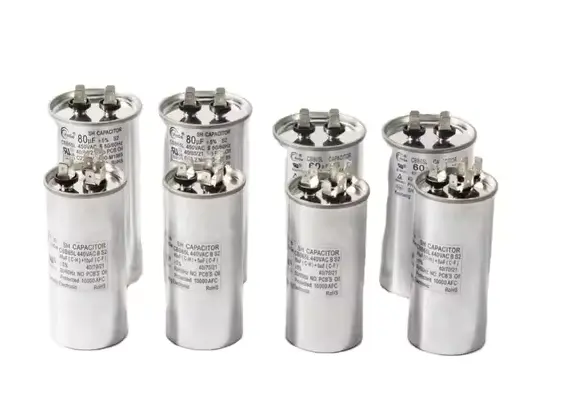
Furthermore, an automated capacitor production line ensures that every single unit is built to the exact same rigorous standard. Consistency is exactly what separates a world-class factory from a mediocre supplier. Factory heads know that predictable output makes global supply chains run smoothly. Automated processing provides the predictable reliability that top-tier buyers in Germany, Japan, and the USA demand. They expect complete uniformity across millions of identical units. When the robotic grippers apply the exact same pressure every single time, the physical integrity of the internal core remains completely intact, ensuring that the electrical properties never drift from the specifications listed on the official data sheets.
How Does a Precise Winding Machine Improve Film Capacitor Manufacturing?
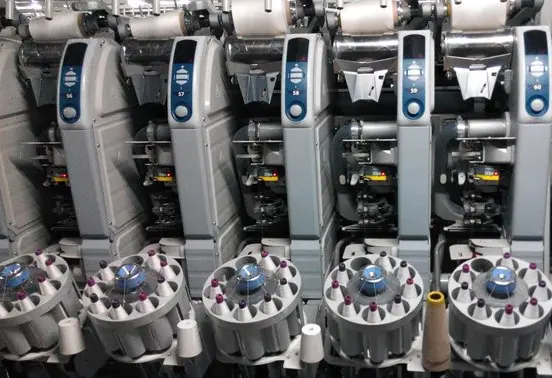
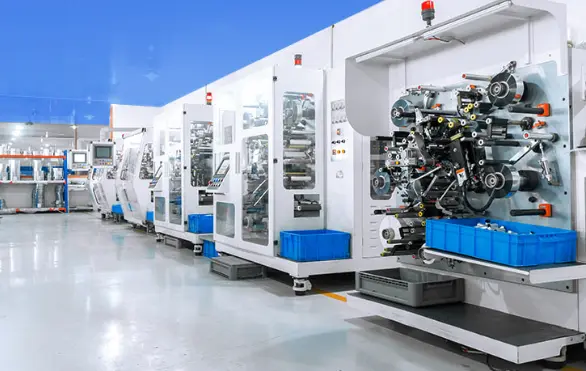
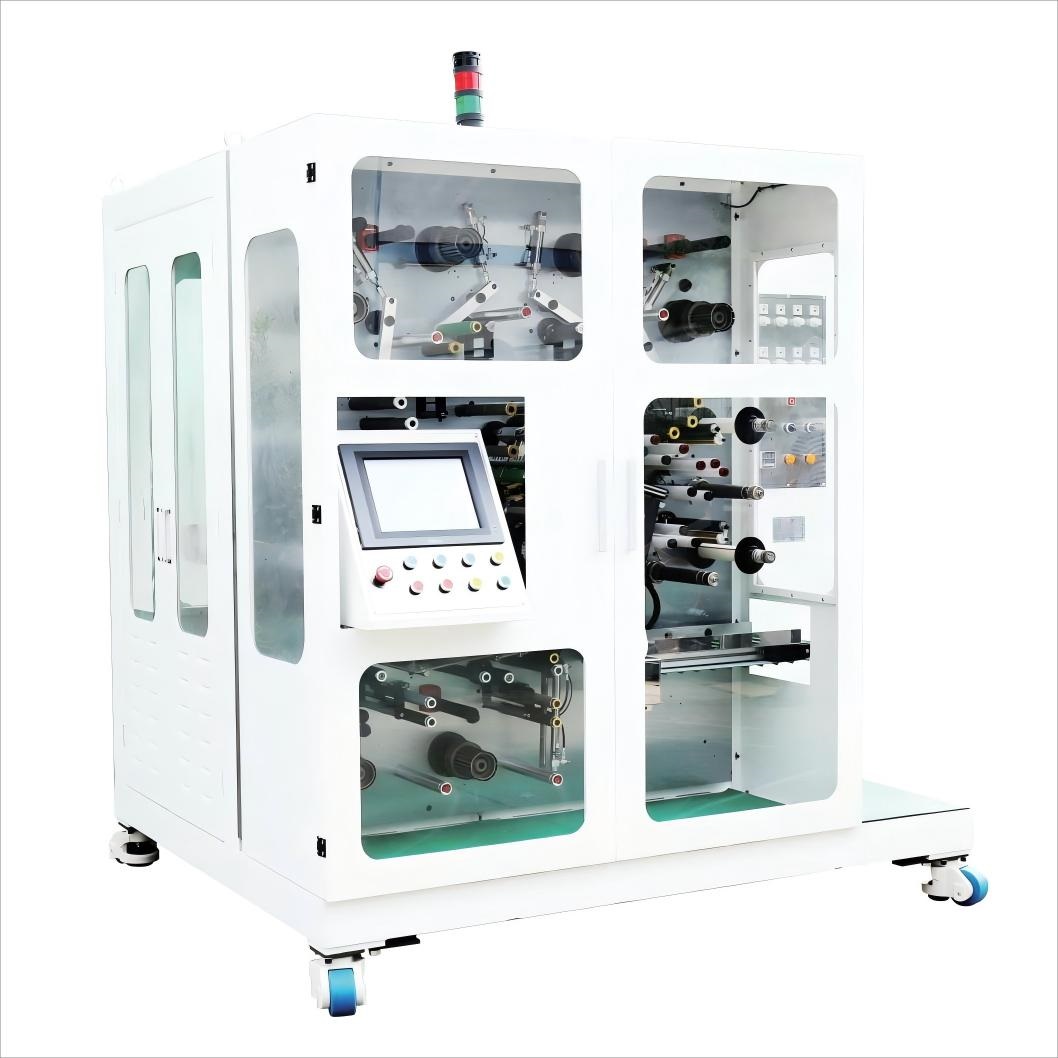
Creating a tightly rolled core requires a meticulous precise winding machine. This equipment takes thin layers of dielectric ribbon and metallic layers, spinning them rapidly into a compact, solid cylinder. If the mechanical tension is even slightly uneven during this spinning phase, the layers will slip and slide against each other. Slippage causes micro-tears in the fragile plastic, which will eventually lead to catastrophic electrical shorts when the unit is powered on. A top-tier, precision-engineered winding machine maintains exact tension control throughout the entire spinning cycle, dynamically adjusting its torque hundreds of times per second.
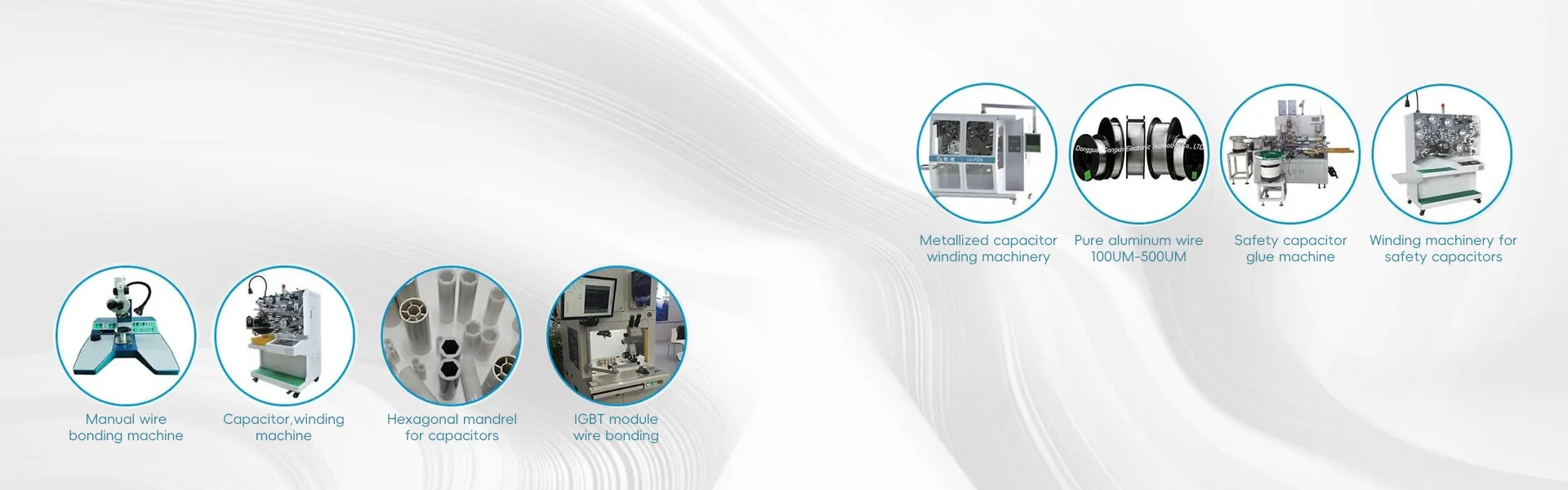
This level of microscopic control is undeniably vital for successful film capacitor manufacturing. To achieve this perfect cylindrical geometry, the mechanical center rod must be perfectly concentric and incredibly rigid. We highly recommend utilizing a Standard mandrel holder for capacitor or battery winding machine to keep the core completely stable under immense rotational stress. When the central spindle is perfectly stable, the resulting cylinder is flawless, drastically boosting the overall yield of the entire batch. Engineers can sleep soundly knowing that their core rolling mechanisms are not introducing invisible defects into the heart of the components.
What Makes the Winding Process Essential for Aluminum Electrolytic Devices?
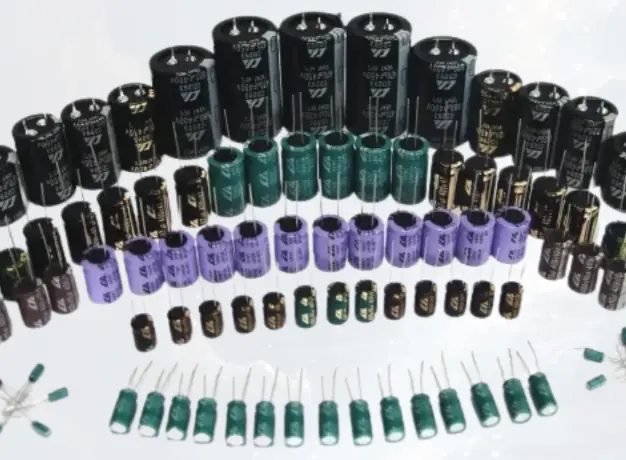
Beyond standard plastic types, the mechanical winding process is equally critical for other chemical architectures. In an aluminum electrolytic setup, the core consists of two metal strips separated by a special paper that is soaked in a conductive liquid. The mechanical spinning must be gentle enough not to tear the fragile wet paper, yet tight enough to pack maximum energy storage into the smallest possible can. If the wet paper tears during rolling, the opposite metals will physically touch, instantly destroying the device before it even leaves the factory floor.
To maximize the energy storage capability, the metal surface is treated chemically in massive acid baths. This aggressive treatment creates millions of microscopic pits, vastly increasing the physical area available for holding a charge. After etching, a microscopically thin oxide layer is formed by running the metal through a charged liquid bath, acting as the impenetrable barrier. Because the treated aluminum electrolytic ribbons become incredibly brittle after etching, the robotic spinning equipment must utilize highly advanced, low-friction tension sensors. These sensors prevent the delicate web from snapping or cracking during rapid-speed rolling, ensuring maximum throughput and minimal material waste.
How Do Tantalum Components Meet the Need for High Performance?
When physical space on a circuit board is extremely limited, such as in aerospace guidance systems or medical pacemakers, standard cylindrical elements are simply too large. This is exactly where the rare metal tantalum shines brightest. A sintered tantalum component offers unmatched energy density packed into a microscopically tiny package. Instead of rolling flat sheets, microscopic metallic powder is tightly pressed into a solid pellet and baked in an extreme-temperature kiln until it fuses into a porous sponge.
These highly specialized units easily meet the need for robust, long-term longevity. Unlike older technologies, they do not contain any wet liquids that can slowly evaporate or dry out over time. This completely solid-state nature guarantees continuous operation without any chemical degradation, even under severe vacuum or extreme atmospheric pressure. Because their electrical performance remains incredibly stable across violent temperature shifts, they are the preferred choice for mission-critical electronic circuitry where a field failure is simply not an option. For aerospace engineers, this means fewer redundant backup circuits and lighter overall payloads.
Why is the Weld Process the Most Critical Step in an Assembly Line?
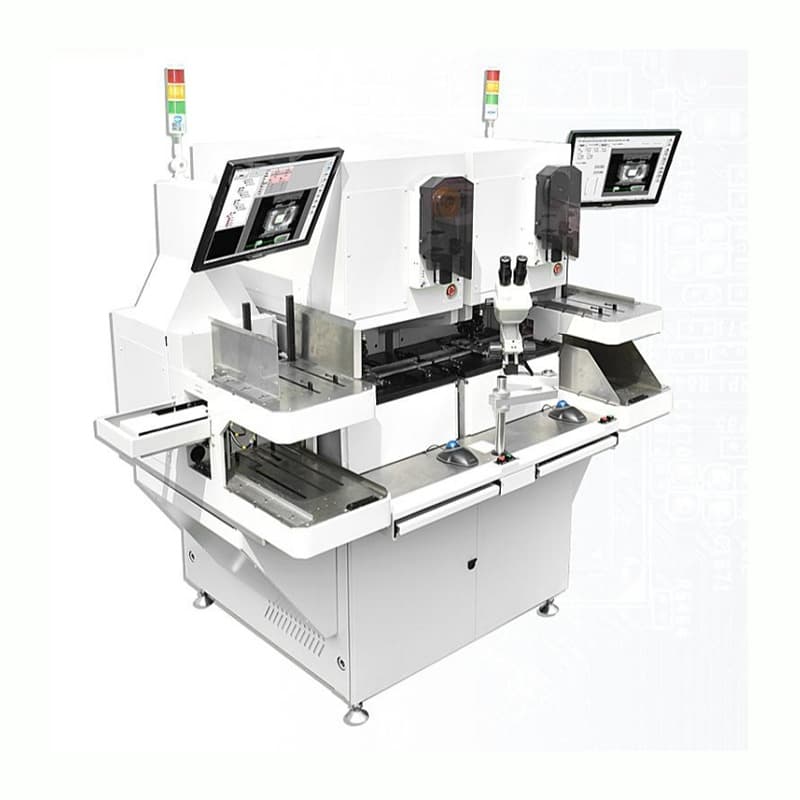
Once the internal core is successfully formed, it must be permanently connected to the external power pathways that will link it to the main circuit board. The ultrasonic weld process is where these vital, permanent connections are made. We utilize acoustic energy to vigorously scrub the metal tabs together until their atomic structures literally merge into one another. This technique creates a solid-state joint that is physically stronger and more conductive than the base metal itself.
In a fast-paced, massive-volume assembly line, this bonding step absolutely cannot be a bottleneck or a source of defects. If the joint is weak or misaligned, the electrical resistance instantly increases, generating dangerous localized heat. Heat is the ultimate enemy of component longevity. By employing top-tier automated equipment, such as an Automatic Thick Aluminum Wire Wedge Bonder, factories ensure that every single electrical connection can withstand severe mechanical vibration and intense power surges. This guarantees that the final power delivery remains smooth and uninterrupted for decades.
Can Advance Manufacturing Equipment Ensure Reliable Insulation?
Protecting the fragile internal structure from the harsh outside world is absolutely mandatory. Advance manufacturing equipment is heavily utilized to pot, dip, or encapsulate the vulnerable core inside a thick, protective resin shell. This specialized resin acts as a formidable, impenetrable barrier against destructive moisture, chemical vapors, and physical shocks. Without this critical insulation, ambient humidity will slowly seep inside the casing and quietly corrode the delicate metal layers, inevitably leading to a rapid and unpredictable failure in the field.
A perfectly mixed and flawlessly sealed casing will ensure the unit survives the most brutal industrial environments imaginable. When sudden, violent current spikes hit the circuit, the trapped internal heat must dissipate rapidly through this outer shell to prevent thermal runaway. A reliable casing material will transfer the thermal energy efficiently outward while simultaneously preventing any dangerous massive voltages from leaking out and shocking adjacent components. This meticulous, bubble-free encapsulation will allow the final product to operate safely and effectively in demanding settings like electric vehicle engine bays or massive solar inverter grids.
How Does Automatic Inspection Guarantee Each Capacitor Passes?
In modern fabrication facilities, quality control simply cannot rely on tired human eyes alone when dealing with thousands of miniature units per hour. Therefore, automatic inspection stations are seamlessly integrated directly into the main conveyor framework. These intelligent stations utilize ultra-clear cameras, laser micrometers, and lightning-fast electrical probes to test every single unit that moves down the track. They meticulously measure the exact capacitance, internal resistance, and voltage leakage simultaneously in fractions of a second.
If a specific unit fails to meet the strict predetermined parameters, a pneumatic robotic arm instantly punches it off the track and removes it from the good batch. This ruthless sorting mechanism guarantees that only a flawless capacitor passes down to the final packaging and shipping area. Furthermore, these smart stations log massive amounts of diagnostic data in real-time to centralized servers. By actively analyzing this data, maintenance engineers can detect subtle wear trends and proactively adjust the preceding machinery before a larger, more expensive issue develops, consistently ensuring optimum yield.
What Role Does Aluminum Foil Play in Various Applications?
The foundation of many modern energy storage units is ultra-pure metal. Shiny aluminum foil is heavily utilized across the globe because it provides an exceptional balance of electrical conductivity, malleability, and cost-effectiveness. In sprawling fabrication plants, massive, heavy rolls of this material are carefully fed into highly specialized stamping and slitting machines. It acts as the primary internal electrode, rapidly absorbing and distributing the electrical charge evenly across the entire flat internal area to prevent localized hot spots.
Because of its incredible versatility, it is suitable for a wide range of various applications, from tiny consumer gadgets in your pocket to massive, building-sized grid-level power banks. Different microscopic thicknesses and proprietary chemical treatments are developed to suit each specific, demanding use case perfectly.
| Application Category |
Foil Thickness Requirement |
Typical Chemical Treatment |
| Consumer Gadgets |
Ultra-Thin |
Mild Etching |
| Grid Power Banks |
Thick |
Deep Pitting |
| Electric Vehicles |
Medium-Thick |
Advanced Barrier Coating |
For instance, creating the energy elements for fast-charging electric vehicles requires a completely different specification than building parts for a standard desktop computer power supply. Facilities can adapt quickly by employing a versatile Winding machine for automotive capacitors that can handle these differing metal thicknesses effortlessly.
How Do We Align Material Technology with Efficient System Design?
Hardware engineering at the highest level is a delicate, intricate balancing act between physical chemistry and mechanical engineering. To achieve peak factory output, scientists must perfectly align the raw chemical properties with the physical constraints of the robotic assembly modules. If a newly formulated conductive polymer is slightly too sticky, the mechanical feed rollers will jam repeatedly. Therefore, the material chemistry must be explicitly formulated by scientists to glide smoothly and effortlessly through the automated stainless-steel pathways.
This brilliant synergy between advanced material technology and an optimized, streamlined layout creates a highly robust system design. Process engineers constantly monitor and refine the ambient environmental condition of the factory floor, strictly controlling humidity, temperature, and airborne dust particles. When the ambient layout perfectly matches the extreme sensitivity of the raw chemicals, the resulting reliable capacitor exhibits superior longevity and unmatched field performance. Every single piece of the complex fabrication puzzle must fit together perfectly, from the microscopic chemical bonds to the massive robotic assembly arms.
How Does Upgrading Your Machine Improve the Overall Manufacturing Process?
Operating a modern facility with outdated, sluggish tools is a hidden, massive drain on factory profitability and morale. Upgrading to a state-of-the-art machine drastically lowers the total long-term cost of ownership. Newer robotic units require significantly less manual maintenance, consume far less electricity, and operate at much faster, more profitable speeds. Furthermore, the modern manufacturing process incorporates advanced predictive maintenance sensors that instantly alert human operators to mechanical wear before a catastrophic, line-stopping breakdown occurs.
Finding the right engineering vendor is absolutely crucial for this operational upgrade. By partnering with a dedicated, specialized winding machine parts manufacturer, you ensure that your consumable tools are highly accurate. When the cutting blades, wire guides, and rolling pins are crafted to exact micron tolerances, the finished product effortlessly achieves the perfect dimension and alignment. This extreme level of detail elevates your entire operation, and the result secures your position as a top-tier, highly respected supplier in the brutally competitive global electronics market.
Summary to Remember
Mastering the intricacies of electronic fabrication requires a relentless dedication to precision and continuous improvement. By prioritizing advanced automated frameworks, precise tooling, and rigorous inspection, manufacturers can guarantee exceptional component longevity and robust electrical performance. Partnering with the right equipment supplier bridges the gap between basic assembly and world-class fabrication.
- Automation is Key: Eliminating manual human handling reduces errors and guarantees strict uniformity.
- Precision Rolling: Using flawless mandrels prevents internal micro-tears and devastating electrical shorts.
- Robust Bonding: Ultrasonic welding ensures permanent, heat-resistant power connections.
- Strict Quality Control: Automated testing instantly removes defective units, securing global supply chain trust.
- Strategic Upgrades: Investing in exact, high-tolerance consumables dramatically lowers the total cost of ownership.