Every single day, we rely on smart machines to do our jobs and connect with the world. We tap bright screens, type on fast keyboards, and send massive amounts of data across the globe. Yet, we rarely stop to think about the tiny pieces of hardware that make it all possible. One of the most important pieces of the puzzle sits quietly in the background on almost every circuit board. It manages raw power, cleans up messy data, and keeps everything running smoothly without failing. If you look closely at any green board inside a machine, you will see hundreds of them working together.
This article breaks down the core concepts behind this vital piece of technology. We will thoroughly explore how it works, why it matters so deeply, and the incredible ways it shapes modern technology. From basic power delivery to complex data processing, you will learn exactly what keeps your screens glowing and your data safe. Understanding this simple yet powerful part reveals the true magic hidden inside our daily devices.
What is the fundamental capacitor definition for any component?
When we look at a circuit board, we see many little parts soldered in place. The basic definition a capacitor is actually very simple. It is an electronic vaega designed specifically to briefly store electrical energy. You can think of it like a tiny, temporary holding tank for electricity. It grabs raw power from the line and holds it tightly until the main system asks for it.
A basic unit relies on a very simple physical design to do its job. It contains exactly two conductive plates. These plates sit extremely close to each other inside the shell. However, they never actually touch. A piece of thin insulator sits right between them. Engineers often call this middle part a dielectric. Because the plates do not touch, a direct flow of eletise power cannot easily pass straight through the unit. The gap forcefully stops it.
Instead of flowing smoothly through, a charge builds up quickly on each plate. One side becomes full of positive energy. The other side becomes heavily negative. This creates a powerful, invisible electric field in the middle gap. The specific amount of energy it can safely hold is called its capacitance. It is a very basic scientific idea based on simple physics. Yet, this simple concept is the absolute foundation that drives everything in modern eletise. Without it, no modern machine could function reliably for more than a few seconds.
How does a capacitor store energy inside a computer?
You might wonder how this tiny part holds power so well without breaking. When you turn on your machine, current immediately flows deeply into the matagaluega. The fast electrical energy rushes right into the capacitor. It fills up the metal plates very quickly. It acts almost exactly like a tiny, rechargeable maa.
But there is a very big difference between the two storage methods. A normal maa uses slow chemical reactions to make and hold power over hours or days. A capacitor just holds the raw electrical charge natively on its metal plates. Because it uses zero chemicals, it works much faster. It can grab power in a tiny fraction of a second. It does not have to wait for a slow chemical reaction to start up.
When the system suddenly needs extra power, the unit can discharge its stored energy instantly. It pushes the power back out into the main uaea of the system. This quick, sudden burst of energy helps keep everything running smoothly. If the main power dips even slightly, this stored energy safely fills the gap. Without it, the whole system would crash every single time it tried to do a hard task. It is the ultimate backup plan for short power drops.
Why are capacitors used so heavily in modern tech?
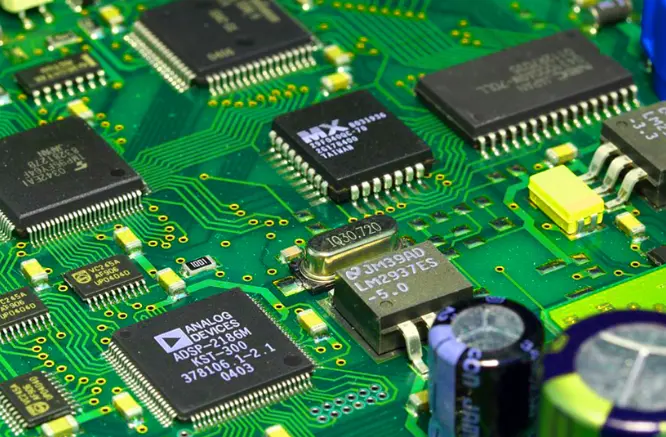
If you look closely at a motherboard, you will see many small cylinders standing up bravely near the main chips. The main processor, known as the cpu, and the massive graphics chip, called the gpu, are the deep brains of the system. They think incredibly fast and perform billions of math problems every second. Because they work so intensely hard, they have a massive demand for perfectly clean power.
These chips need a perfectly steady flow of voltage. Even a tiny fluctuation in power can cause a fatal software crash. This is exactly why capacitors are used right next to them. They act as local, fast storage tanks. When the main chip suddenly works hard to open a massive program, it drinks a lot of power all at once.
Sometimes, the main power source is simply too far away to help in time. The local capacitor steps in immediately. It gives its stored energy directly to the hungry chip. This keeps the voltage perfectly stable during heavy, unpredictable workloads. You can imagine it like having a personal water tower right next to your house. When you turn on all the faucets, the local tower keeps your water pressure strong. Capacitors used in this way ensure that your expensive chips never starve for power.
What are the main types of capacitors seen today?
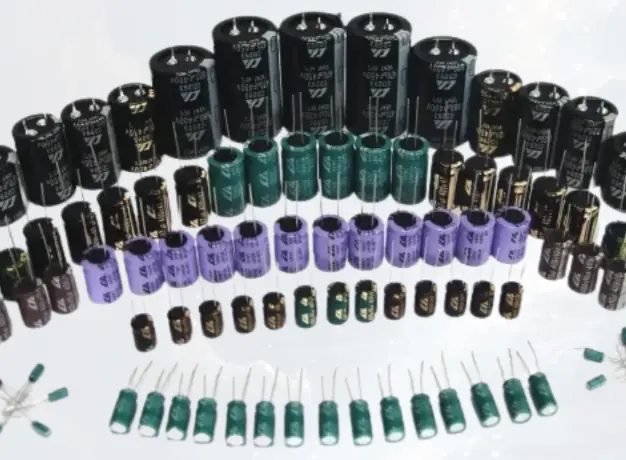
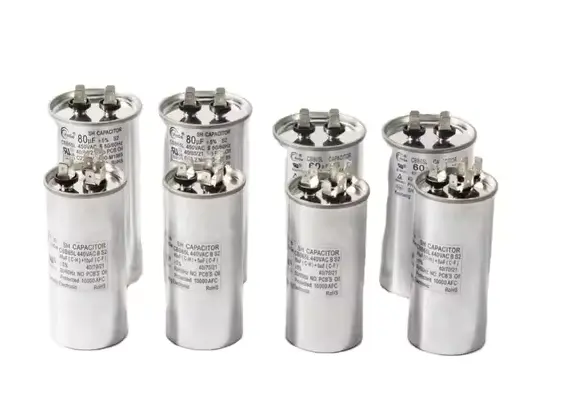
Factories around the world make many types of capacitors for very different jobs. Each type uses a completely different core material to do its specific job. Electrolytic capacitors are very common everywhere. They look like little metal cans standing up on legs. They can hold a lot of power for their physical size. We often see them heavily used in large, heavy-duty power supplies.
Then we have ceramic capacitors. These are tiny, flat, and often painted yellow or brown. They do not hold as much power as the large can style. However, they work incredibly well at very high speeds. They are perfect for filtering extremely fast data signals. You will easily see hundreds of them glued to a single board.
Another important type is tantalum capacitors. These are very small, solid blocks and they are incredibly stable over a long time. They cost a bit more to make in the factory. Manufacturers use them when physical space is very tight, like inside a small mobile phone or a complex malamala afifi. They do not dry out easily. Picking the right one is a very big choice for any process engineer. Choosing the wrong type can cause the entire system to fail early.
How does a component like a capacitor smooth power?
Power coming directly from your home wall outlet is incredibly messy. It constantly goes up and down in rolling waves. A smart device needs clean, perfectly steady dc power to survive for long. The main power supply units inside the large desktop tower do a massive amount of hidden work. They carefully change the messy wall power into clean, safe power for the fragile parts.
During this big change, the power still has tiny bumps and rough ripples hidden in it. A capacitor actively helps to smooth out these hidden bumps. It sits directly in the main matagaluega and carefully watches the power flow past it. When the power jumps slightly too high, the unit absorbs the dangerous extra electrical energy.
When the power drops slightly too low, it gently pushes its stored energy back into the line. This gentle push and pull action provides a very consistent flow of energy. We call this vital, ongoing action regulating power. Working closely with a good resistor and a strong inductor, it ensures the delicate parts get perfect energy. Even a tiny wall power converter relies completely on this smoothing action to keep the system entirely safe. It prevents the tiny fluctuation from destroying the fragile chips inside.
Why are capacitors used for signal filtering in a computer?
Besides just holding raw power, a capacitor is remarkably great at handling complex data. Inside a machine, data moves quickly as a fast electrical signal. Sometimes, unwanted background noise gets accidentally mixed into the main data line. This bad, messy noise can easily ruin the good, clean data trying to get through.
A capacitor can act as an invisible, silent filter. Because of exactly how its internal plates are built, it easily allows an ac current to pass right through its gap. However, it will completely block a steady direct flow. This unique physical trait makes it absolutely perfect for signal processing.
For example, in high-end audio gear or a wireless radio frequency (rf) module, it expertly strips away the messy background hum. It lets only the clean analog or clean data wave pass safely through to the next stage. It essentially helps the machine clearly hear exactly what it needs to hear. Without this crucial vaega, a simple signal would become way too messy to read. Your internet connection would drop constantly, and your music would sound terrible. It cleans up the mess before it causes harm.
Can a capacitor act like a fast battery?
Yes, in many specific technical ways, it really does act like one. While a standard maa gives steady power for a very long time, it is notoriously slow to charge up. It is also quite slow to release its power safely without overheating. A capacitor is the exact physical opposite of this behavior.
A very special modern type called an edlc (often called a supercapacitor) holds a huge amount of charge. It can fully charge up in just a few short seconds. It can also safely dump all of that massive power in a bright flash. Because there is absolutely no internal chemical reaction to wear out over time, it naturally has a much longer lifespan. You can charge and drain it millions of times safely.
You might clearly see these extreme versions used in an electric motor drive or heavy industrial machinery. They expertly handle the massive surge of power needed to safely start a heavy machine from a dead stop. They are the fast sprinters of the electrical world, while traditional batteries are the slow marathon runners. They provide the extreme burst of current that chemical cells simply cannot handle without melting. This makes them a vital vaega for heavy-duty systems.
How do types of capacitors impact the computer motherboard?
Every single green board inside your machine relies entirely on these tiny, hard-working parts. From the massive main processor down to the simple logic gates that do basic math. A modern computer constantly uses them to precisely count time. Paired carefully with a tiny crystal oscillator, they help create a steady, reliable heartbeat for the entire system.
This steady heartbeat tells every single malamala exactly when to move a tiny bit of data. Without this perfect timing, the whole system would crash instantly. The data would crash into each other on the wires like cars driving without a traffic light. The right types of capacitors make absolutely sure this heartbeat never skips a single beat.
They also sit defensively on the main voltage rail. They act as dedicated local bodyguards for the delicate silicon chips nearby. Whether it is powering a bright screen display or a blazing fast network adapter, o le hardware runs perfectly smooth because these tiny parts work tirelessly in the background. A simple signal needs exceptionally clean power to travel safely. The capacitors used on the board perfectly ensure that the data highway remains clear and perfectly paved.
What happens when a capacitor fails inside a computer component?
Nothing made by humans lasts forever on earth. After many long years of heavy daily usage, a part can naturally fail. If a capacitor gets far too hot for far too long, the wet paste inside it literally dries out. When it dries out completely, it permanently loses its core capacitance.
If a vital unit fails inside your main power supply, the voltage gets incredibly messy very quickly. The clean, flat power forcefully turns back into dirty, bumpy power. The highly sensitive microchips inside your machine do not like this dirty power at all. Your computer might suddenly restart for no clear reason. A terrifying blue screen might flash across your monitor.
Sometimes, the bad part will physically swell up at the top or leak a strange brown fluid onto the board. A single blown part can easily stop an entire machine from working. It acts like a broken switch. It shows just how incredibly important these little cylinders really are. Even a massive, million-dollar server farm can instantly go dark if one tiny, fifty-cent part finally gives up. The entire matagaluega depends heavily on their constant health to survive.
How do advanced manufacturing tools create the perfect capacitor?
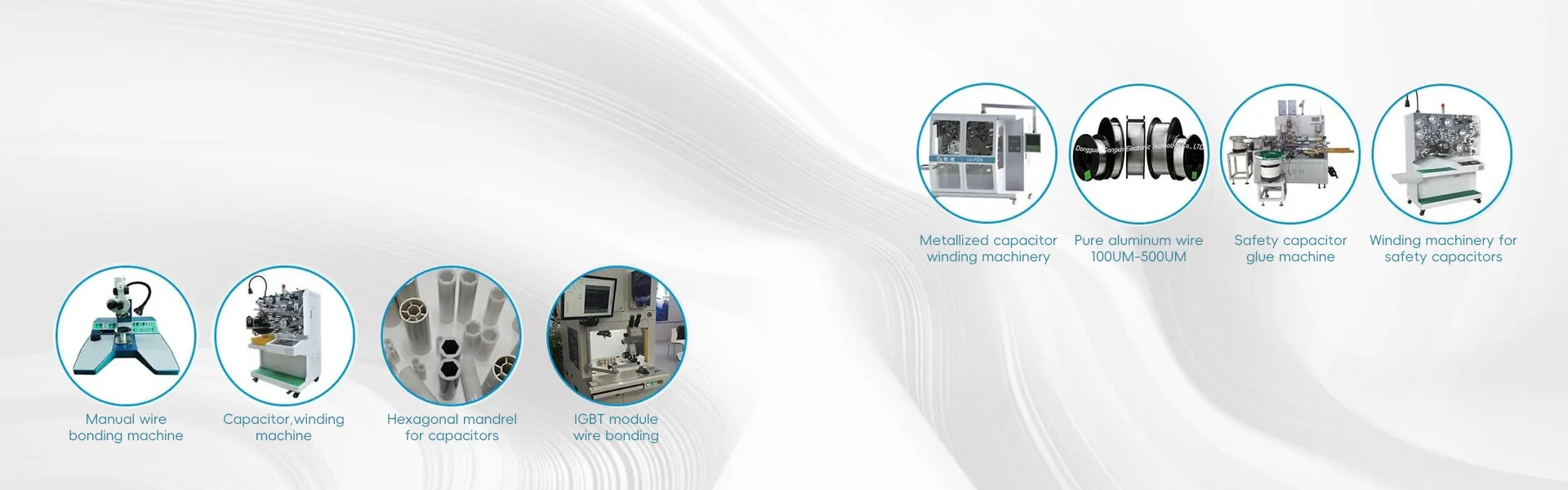
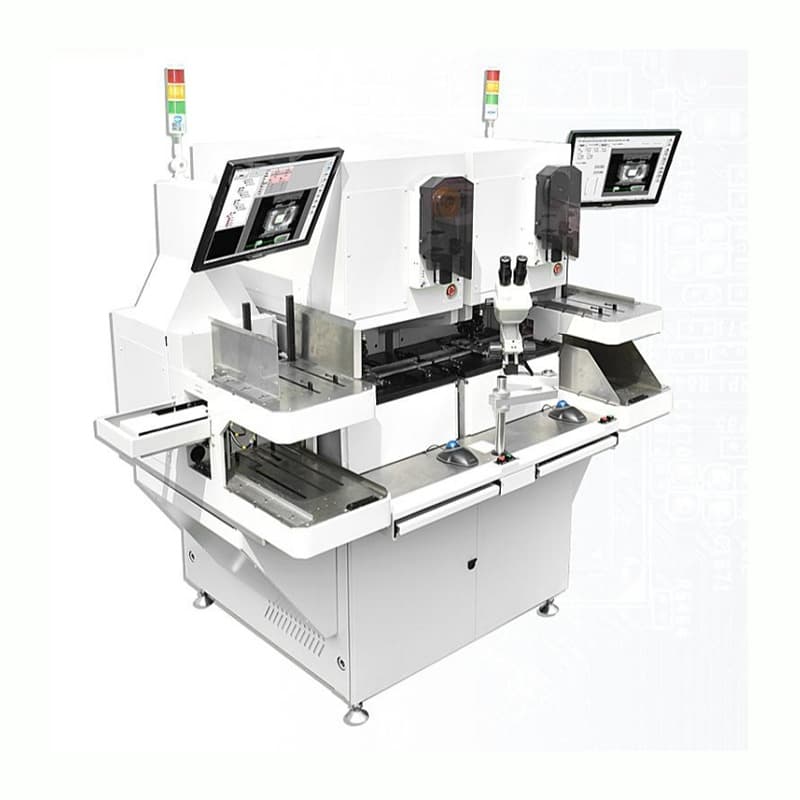
Making these delicate parts requires extreme care and massive engineering skill. The factory floor must be perfectly clean. At Dongxin Electronic Technology, we know firsthand that the machines making these parts must be truly flawless. A single speck of invisible dust can easily ruin the core functionality of the entire unit.
Le eletise internal contacts are incredibly tiny. We heavily use advanced machines to bond the delicate wires together safely. For instance, a highly reliable WS9820 Otometi le mafiafia o le mafiafia o Alumini Wared Wedge Gunder ensures that every single connection is perfectly tight. If the wire bond is bad or loose, the internal tetee goes up rapidly, and the part gets dangerously hot. This heat sadly kills the capacitor early.
We also rely deeply on perfect winding tools to keep the layers flush. To feed the materials properly without causing microscopic tears, leading factories use acustomized aluminium or plastic lagging wheel during the automated assembly process. We also utilize a top quality winding machine needle to keep the core tight. Finally, a razor sharpM2 tungsten carbide push cutter cuts the delicate material perfectly clean without fraying the edges. Every single specialized tool matters when creating the backbone of modern digital life. From the tiny resistor to the complex transistor, every part needs flawless manufacturing. A beautifully built capacitor means your system will last for decades.
Summary of the Essential Concepts
As we have seen, the capacitor is a true marvel of modern engineering. It is not just a simple piece of metal and plastic. It is the silent, brave guardian of your entire system. Every time you happily turn on your machine, a capacitor jumps right into action. It smooths out the rough bumps, cleans up the messy signal, and keeps the matagaluega completely safe from harm. The health of a capacitor entirely dictates the health of the entire system.
If you are currently building or maintaining complex systems, remember that the quality of the capacitor matters deeply. A cheap part will fail, while a high-quality capacitor will comfortably run perfectly for decades. Whether you are dealing with a tiny ceramic unit or a large electrolytic one, understanding their core role is incredibly vital.
Here are the most important things to remember:
- A capacitor beautifully holds raw energy in an electric field safely trapped between a positive and negative plate.
- They deliver power incredibly fast, naturally acting as a fast buffer for heavy current demands.
- Uma capacitor easily filters out messy background noise, ensuring your data signal stays crystal clear.
- Using flawless manufacturing tools safely guarantees that every capacitor performs exactly as intended for a very long time.