Electrical engineers, equipment designers and purchasing managers frequently search one core technical question:
What is an ultracapacitor used for? Also called supercapacitors, ultracapacitors are high-power electrochemical storage devices that fill the performance gap between standard electrolytic capacitors and lithium-ion batteries. With ultra-fast charge speeds, over one million charge-discharge cycles and wide temperature adaptability, they serve distinct power-buffering, peak-power and backup-energy roles across dozens of vertical industries. Professional
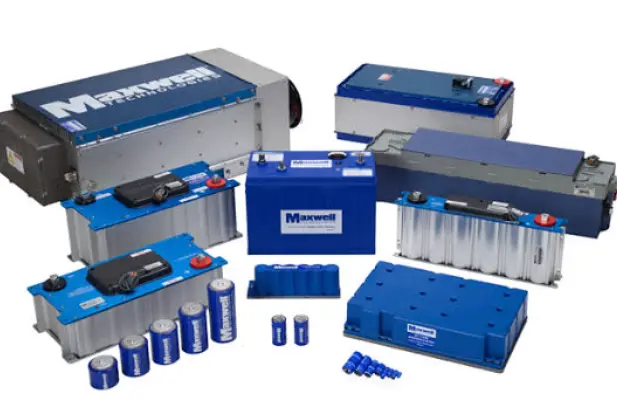
ultracapacitor manufacturers customize single cells, modules and integrated packs tailored to each application’s voltage, capacitance and environmental demands. This guide systematically sorts every mainstream ultracapacitor use case, explains why ultracapacitors outperform batteries for specific power demands, and shares key selection standards recommended by leading ultracapacitor manufacturers.
Many design teams mistakenly replace ultracapacitors with lithium batteries or regular capacitors, leading to shortened equipment lifespan, unstable power output and costly field failures. Understanding dedicated ultracapacitor functions helps match the right component specs sourced from reliable ultracapacitor manufacturers to your system requirements.
Core Functional Advantages That Define What an Ultracapacitor Is Used For
Before diving into specific applications, review the unique technical traits that make ultracapacitors irreplaceable, as highlighted by top ultracapacitor manufacturers:
-
Ultra-high power density: Deliver massive peak current within milliseconds, ideal for sudden power surges
-
Near-instant full charging: Reach full capacity in seconds, no long charging waits
-
Wide operating temperature range: Stable performance from -40°C to +65°C, suitable for cold northern regions and high-temperature industrial workshops
-
Zero thermal runaway risk: Safer than lithium cells under overcurrent or overheating conditions
-
Low maintenance design: No regular replacement or complex balancing required for short-term power buffer systems
These core strengths dictate every scenario where ultracapacitors are the preferred storage solution, and ultracapacitor manufacturers tune cell internal resistance, capacitance and casing to maximize these benefits for targeted equipment.
Top 6 Major Industries Where Ultracapacitors Are Widely Deployed
1. Electric & Hybrid Transportation (Largest Market for Ultracapacitor Manufacturers)
Transportation remains the highest-demand vertical when answering “what is an ultracapacitor used for”, accounting for nearly 40% of global ultracapacitor orders from ultracapacitor manufacturers. Key vehicle and transit applications include:
-
Regenerative braking energy recovery: Capture kinetic energy during braking and instantly release power for acceleration, cutting battery load and boosting vehicle mileage for EVs, hybrid passenger cars and electric buses
-
Engine cold start assist: Deliver instant high cranking current for diesel trucks, mining vehicles and coaches in sub-zero temperatures, avoiding lithium battery failure in frigid weather
-
Auto start-stop systems: Supply momentary power when engines shut down at traffic lights, eliminating repeated deep cycling of vehicle lithium batteries
-
Urban trams & light rail: Stabilize grid voltage during frequent stops/starts, recycle braking energy to reduce overall line power consumption
-
Electric forklifts & port AGVs: Buffer peak lifting power to extend lithium pack service life and lower industrial fleet maintenance costs
Ultracapacitor manufacturers produce high-voltage series-connected modules with shock-resistant casings to meet automotive ISO 16750 vibration standards for all transit equipment.
2. Power Grid & Renewable Energy Storage
Grid operators and solar/wind farm developers rely on ultracapacitors for rapid power smoothing, a core use case shared by ultracapacitor manufacturers worldwide:
-
Wind turbine pitch control backup: Instant power supply to rotate turbine blades during grid blackouts, preventing tower damage from extreme wind gusts
-
Solar PV fluctuation suppression: Offset power dips caused by cloud cover, stabilizing grid connection quality for large solar plants
-
Grid frequency regulation: Respond within milliseconds to sudden load spikes or drops to maintain consistent grid voltage and frequency
-
Microgrid short-term UPS bridge power: Fill the power gap between utility outage and diesel generator startup (5–30 second backup window)
Large-scale rack-mounted ultracapacitor modules customized by ultracapacitor manufacturers support megawatt-level grid stabilization projects.
3. Heavy Industrial Machinery & Automation
Factories, ports and construction equipment heavily utilize ultracapacitors for energy recovery and peak power assistance, one major product line manufactured by ultracapacitor manufacturers:
Port container cranes & tower elevators: Recapture gravitational energy during load lowering and reuse power for lifting, cutting facility electricity bills by 15–25%
Automated guided vehicles (AGVs): Supply burst power for rapid acceleration without draining onboard lithium batteries
Industrial valve & smart meter backup power: Preserve operational data and trigger emergency valve shutdown during power failures
Robotic arm pulse power: Deliver instantaneous high current for fast joint movement in manufacturing assembly lines
4. Uninterruptible Power Supply (UPS) & Data Center Infrastructure
Traditional lead-acid UPS batteries degrade quickly under frequent short outages, so data center operators turn to ultracapacitor manufacturers for reliable bridge power solutions:
-
Server room short-duration UPS backup: Maintain power for servers long enough to complete safe shutdown during brief blackouts
-
Edge computing cabinet power buffer: Smooth transient current spikes from high-density computing hardware
-
Telecom base station backup: Support emergency signal transmission when mains power fails
5. Consumer Electronics, IoT & Wireless Sensors
Small radial ultracapacitor cells from ultracapacitor manufacturers serve compact low-power devices requiring pulse power or standby backup:
-
Smart water/gas meters: Retain usage data and support remote valve control after power loss
-
Wireless IoT sensor nodes: Provide burst transmission power for cellular/LoRa data uploads without oversized batteries
-
Digital cameras & flash equipment: Instant high-current supply for camera flash pulses
-
Smart lock backup power: Unlock doors during battery replacement or temporary power cuts
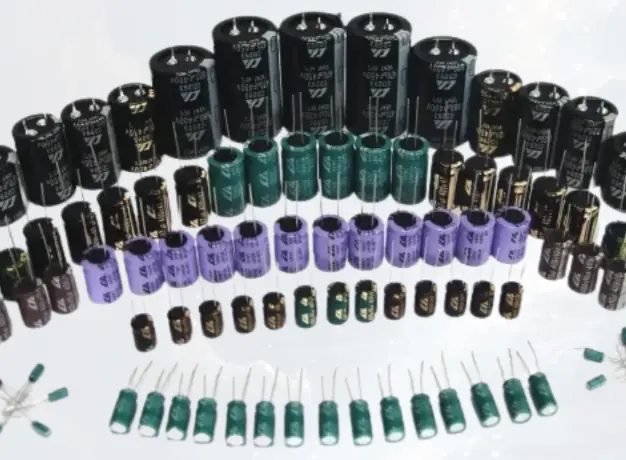
Miniature 2.7V small-form-factor ultracapacitors are the standard product supplied by ultracapacitor manufacturers for consumer electronic OEM orders.
6. Aerospace & Specialized Medical Equipment
High-reliability ultracapacitor variants produced by certified ultracapacitor manufacturers meet strict low-failure standards for critical specialized gear:
-
Medical defibrillators: Deliver controlled instant high-power pulses for cardiac resuscitation
-
Satellite sensor backup: Support short-term data logging during orbital power fluctuations
-
Mining safety equipment: Emergency lighting and gas detector backup power in underground mines
Ultracapacitor vs Lithium Battery: When to Choose Each (Guidance From Ultracapacitor Manufacturers)
|
Performance Metric
|
Ultracapacitor Use Case Fit
|
Lithium Battery Use Case Fit
|
|
Cycle Lifespan
|
1,000,000+ cycles (perfect for frequent charge/discharge)
|
3,000–5,000 cycles (poor for daily peak power cycling)
|
|
Charge Speed
|
Full charge in seconds (ultracapacitor manufacturers recommend for burst power)
|
Hours for full charging
|
|
Energy Density
|
Low (short runtime, peak power only)
|
High (long continuous runtime)
|
|
Operating Temperature
|
-40°C ~ +65°C (wide industrial range)
|
Limited, capacity drops sharply below 0°C
|
|
Core Suitable Scenarios
|
Braking recovery, cold start, 1–60s backup, frequent pulse power
|
Long-distance EV driving, all-day continuous power supply
|
Most system designs combine both components: lithium batteries deliver long-duration energy, while ultracapacitors handle all peak power loads. Ultracapacitor manufacturers often supply matched module packs designed to pair seamlessly with lithium battery systems.
Common Misconceptions About What an Ultracapacitor Is Used For
-
Misconception 1: Ultracapacitors can fully replace lithium batteries for long runtime. Ultracapacitors have low energy density; they cannot power equipment for hours, only short peak power bursts. Ultracapacitor manufacturers never market ultracapacitors as standalone long-run storage.
-
Misconception 2: All ultracapacitors work equally for every industry. Ultracapacitor manufacturers tailor cells: miniature radial units for IoT, large snap-in modules for rail, high-temperature sealed packs for industrial furnaces.
-
Misconception 3: Ultracapacitors self-discharge quickly so they cannot be used for backup. Modern low-leakage cells from professional ultracapacitor manufacturers retain charge for weeks, sufficient for meter and sensor standby backup.
-
Misconception 4: Ultracapacitors require complex maintenance. Unlike batteries, ultracapacitor modules from reputable ultracapacitor manufacturers need zero regular balancing or cell replacement for 8–10 year service lifespans.
How to Select the Right Ultracapacitor From Reliable Ultracapacitor Manufacturers
When sourcing from ultracapacitor manufacturers, confirm these critical specs aligned with your target application:
-
Nominal cell voltage: Standard 2.7V / 3.0V single cells, series modules for higher system voltage demands
-
Capacitance rating: 0.1F miniature IoT cells up to 3,000F heavy industrial modules
-
ESR (equivalent series resistance): Lower ESR delivers higher peak current for braking and cold-start systems
-
Operating temperature grade: Standard or high-temperature sealed casing for hot factory environments
-
Form factor: Radial lead, snap-in, threaded terminal modules for different equipment mounting spaces
-
Certifications: IEC, ISO, automotive AEC-Q200 as required by your industry compliance rules
Reputable ultracapacitor manufacturers provide free sample testing and custom module assembly for OEM bulk orders across all six application sectors covered above.
Frequently Asked Questions: What Is an Ultracapacitor Used For?
Q1: Can ultracapacitors power full electric cars without lithium batteries?
No. Ultracapacitors lack sufficient energy density for hundreds of kilometers of driving. They only assist lithium packs with acceleration and regenerative braking power, per design guidelines shared by ultracapacitor manufacturers.
Q2: Are ultracapacitors suitable for outdoor solar lighting all night long?
Not as standalone storage. Pair ultracapacitors with small lithium cells from ultracapacitor manufacturers for combined peak power and overnight runtime performance.
Q3: What is the shortest backup time ultracapacitors support for data center UPS?
Typically 5 to 45 seconds, long enough for controlled server shutdown. Ultracapacitor manufacturers design rack modules specifically for this short-bridge UPS use case.
Q4: Why do mining vehicle manufacturers prefer ultracapacitors over lead-acid batteries for cold starts?
Ultracapacitors maintain full power output at -40°C, while lead-acid batteries lose over 60% cranking power in freezing temperatures, a key advantage highlighted by ultracapacitor manufacturers serving the mining equipment industry.
Final Summary: Clarifying What an Ultracapacitor Is Used For & Working With Qualified Ultracapacitor Manufacturers
To fully answer the core question What is an ultracapacitor used for?: Ultracapacitors specialize in short-duration peak power delivery, rapid energy recovery, instant backup power and cold-temperature operation across transportation, power grids, industrial machinery, IoT electronics, telecom and medical equipment. They complement, rather than replace, lithium batteries for long-run energy storage. Sourcing customized cells and assembled modules from professional ultracapacitor manufacturers ensures your equipment meets cycle life, temperature and peak current requirements without premature component failure.
If you need custom ultracapacitor module design, free product samples, bulk OEM quotations or detailed datasheets tailored to your industrial, automotive or electronic project, contact our professional engineering team via our official website page:
https://www.dgdx-elec.com/contact-us/