When you operate massive manufacturing lines or design appliances that must run flawlessly for a decade, the components you choose matter. A tiny electrical component failing can bring an entire industrial operation to a grinding halt. This article dives deep into the engineering, manufacturing, and application of the CBB60 component. We will explore how precision winding machinery and high-grade materials ensure these vital electrical storage units survive harsh environments, offering you insights into maximizing reliability and minimizing total cost of ownership.
What Exactly is a CBB60 Capacitor?
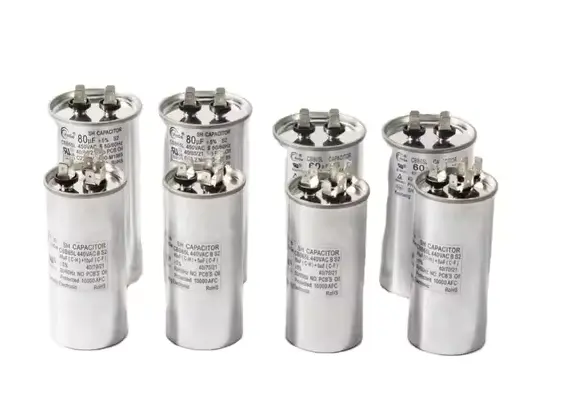
A CBB60 is a specialized energy storage unit designed to support the continuous operation of an alternating current mechanism. Unlike standard electronics components that handle tiny logic signals, the CBB60 is built for heavy lifting. It provides the necessary phase shift to keep a rotational mechanism spinning smoothly. Without this component, a rotational engine would stall, overheat, and eventually burn out its internal coils.
These units are cylindrical and typically sealed in a rugged housing. They are engineered to handle continuous electrical stress. For engineers concerned with space constraints, the good news is that this capacitor is small in bulk, allowing it to be easily integrated into tight appliance enclosures or crowded industrial control panels. The internal structure relies on highly controlled winding processes, which dictate the overall longevity and performance of the unit.
We see these units deployed across a vast array of sectors. From powering a massive commercial laundry machine to driving a high-volume liquid transfer system, the core technology remains consistent. The focus is always on maintaining a steady current flow and managing the thermal loads generated during continuous operation.
Why are Motor Run Capacitors Critical for Industrial AC Systems?
In heavy-duty applications, electrical efficiency is everything. Motor run capacitors remain permanently connected to the circuit, continuously optimizing the power factor. By providing a steady, balanced electrical feed, they drastically reduce the current drawn from the main power supply. This reduction translates directly to less heat generation and lower energy costs.
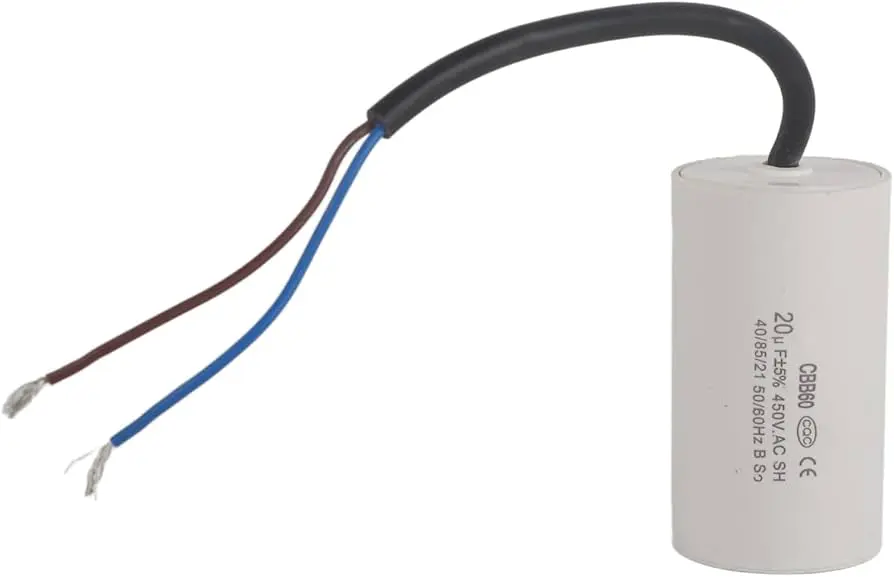
When dealing with a high voltage system, specifically a 450v ac environment, the dielectric strength of the internal materials is constantly tested. Industrial environments are rarely kind; they feature voltage spikes, harmonic distortions, and massive temperature fluctuations. A standard component would degrade quickly under these conditions, losing its ability to hold a charge.
Therefore, robust industrial components are manufactured with tight tolerances. For instance, maintaining the exact specified frequency response is vital for ensuring the rotational speed of the driven equipment remains constant. If the frequency response drifts due to internal degradation, the resulting vibration can destroy the driven equipment. This is why process engineers scrutinize the build quality of every single unit they source.
How Do We Manufacture a Durable Capacitor Motor Solution?
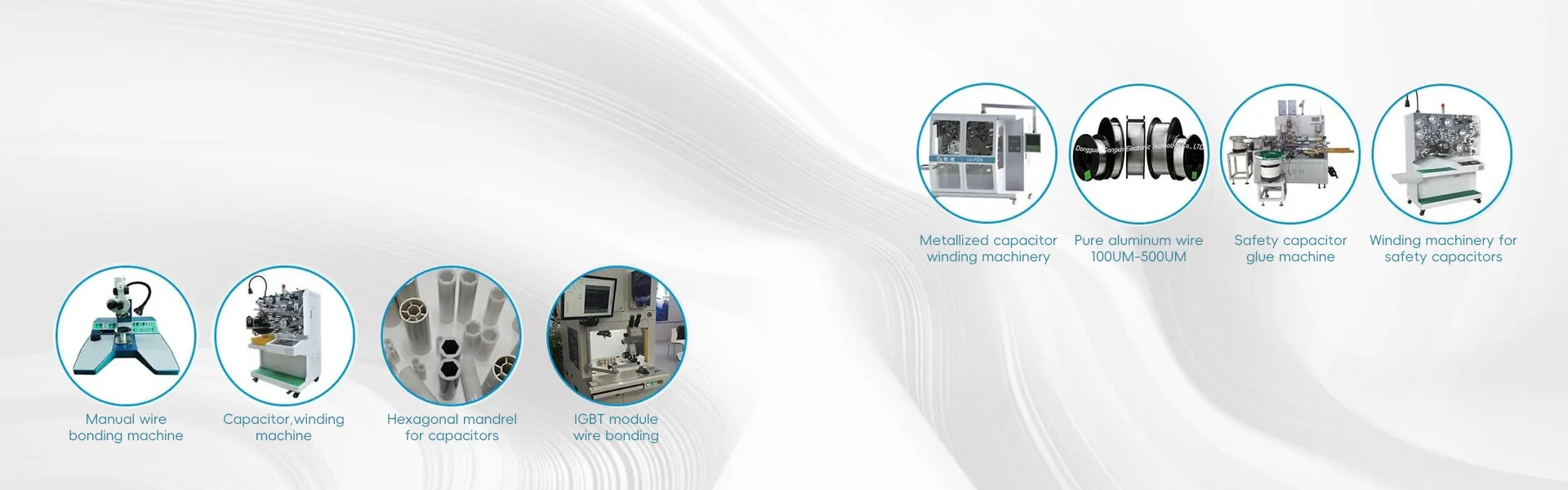
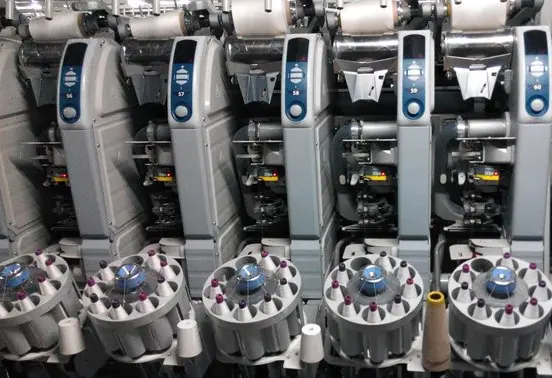
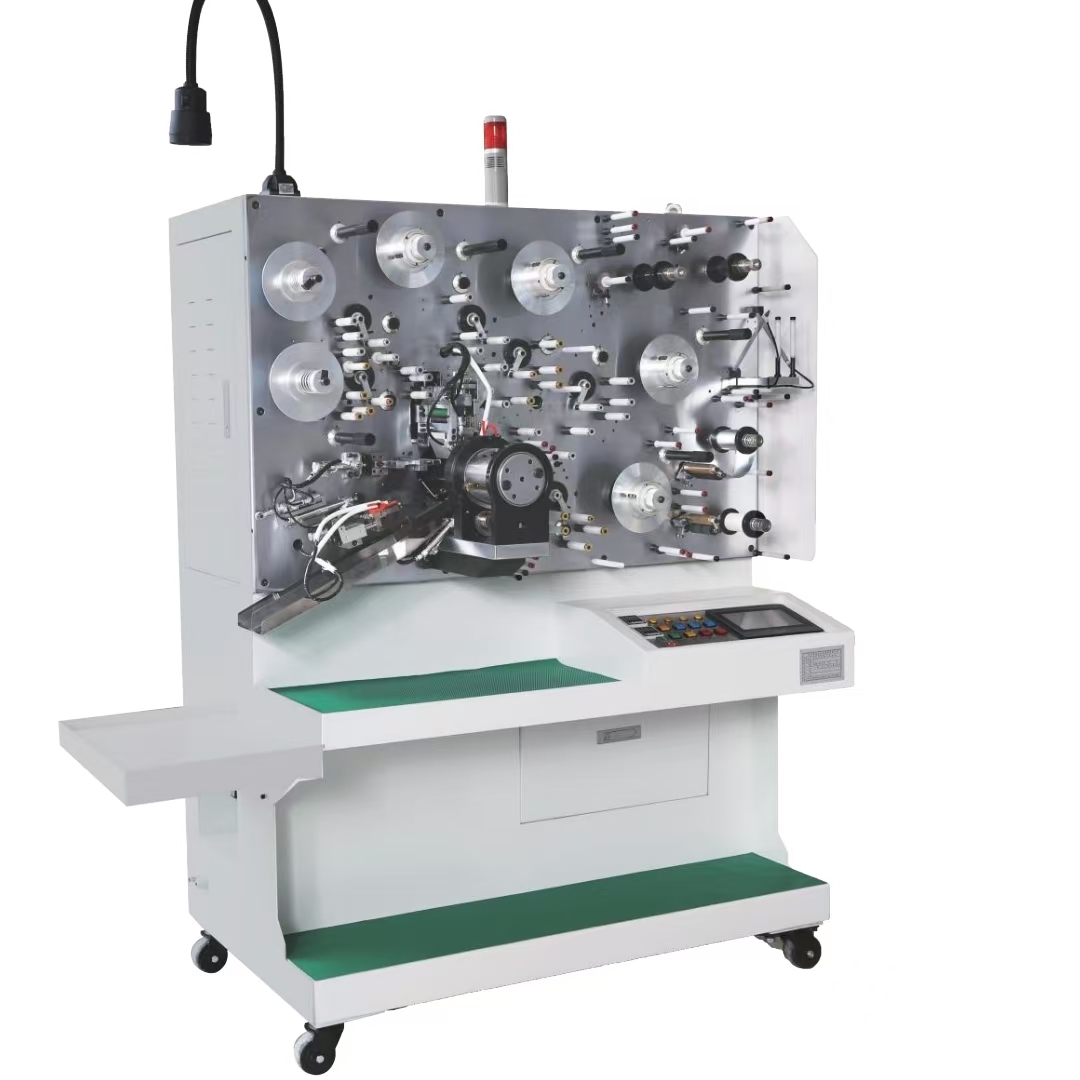
The secret to a long-lasting capacitor motor application lies entirely in the precision of the manufacturing equipment. At Dongxin, we understand that building a reliable component starts with the LV-E Series Capacitor Winding Machine. The winding process involves rolling delicate metallized layers around a central core. If the tension is inconsistent, air gaps form between the layers. These micro-voids lead to corona discharge, which silently eats away at the internals until a catastrophic short circuit occurs.
To prevent this, our automated machinery uses real-time tension feedback loops. As the roll grows in diameter, the machine automatically adjusts the torque. We utilize low-loss metalized polypropylene film for dielectric stability, ensuring that even under severe load, the internal heating is kept to an absolute minimum. This specific material choice provides excellent self-healing properties; if a micro-puncture occurs, the localized heat instantly vaporizes the metal, isolating the fault and allowing the unit to continue functioning.
When an engineer reviews the manufacturer reference on a specification sheet, they look for specific capacitance values, often measured in mfd (microfarads). Achieving exactly the right mfd rating requires the winding machine to cut the material at the exact micrometer length. This level of precision is why investing in top-tierCapacitor winding machine blades from a China manufacturer is essential for consistent yield.
What Makes the CBB60 450V Ideal for a Water Pump or Washing Machine?
Household and commercial appliances endure brutal operating cycles. A washing machine, for example, agitates, spins, stops, and starts repeatedly. Each of these actions requires a surge of energy. A water pump faces similar challenges, especially when pushing liquid against a high head pressure. The cbb60 450v rating provides the necessary overhead to handle the back-electromotive force (back-EMF) generated during these violent cycles.
Consider the environment of a typical liquid pumping station. It is damp, vibrates heavily, and runs continuously. The internal components must be immune to these factors.
- Sealed Construction: Prevents moisture ingress.
- Thermal Stability: Handles the heat of continuous pumping.
- Vibration Resistance: Keeps internal connections secure.
Whether it is a small residential water pump or a massive commercial washing machine, the cbb60 capacitor ensures that the initial surge of energy is delivered smoothly and that the continuous rotation is maintained with minimal power loss.
How Does Winding Precision Affect the Price and Quality of a Motor Capacitor?
In the world of B2B procurement, price is always a factor, but total cost of ownership is the true metric. A cheap motor capacitor wound on vibrating, poorly aligned equipment will have a short lifespan. The upfront price might be lower, but the cost of a technician replacing a blown unit in the field—plus the downtime of the machine—far outweighs any initial savings.
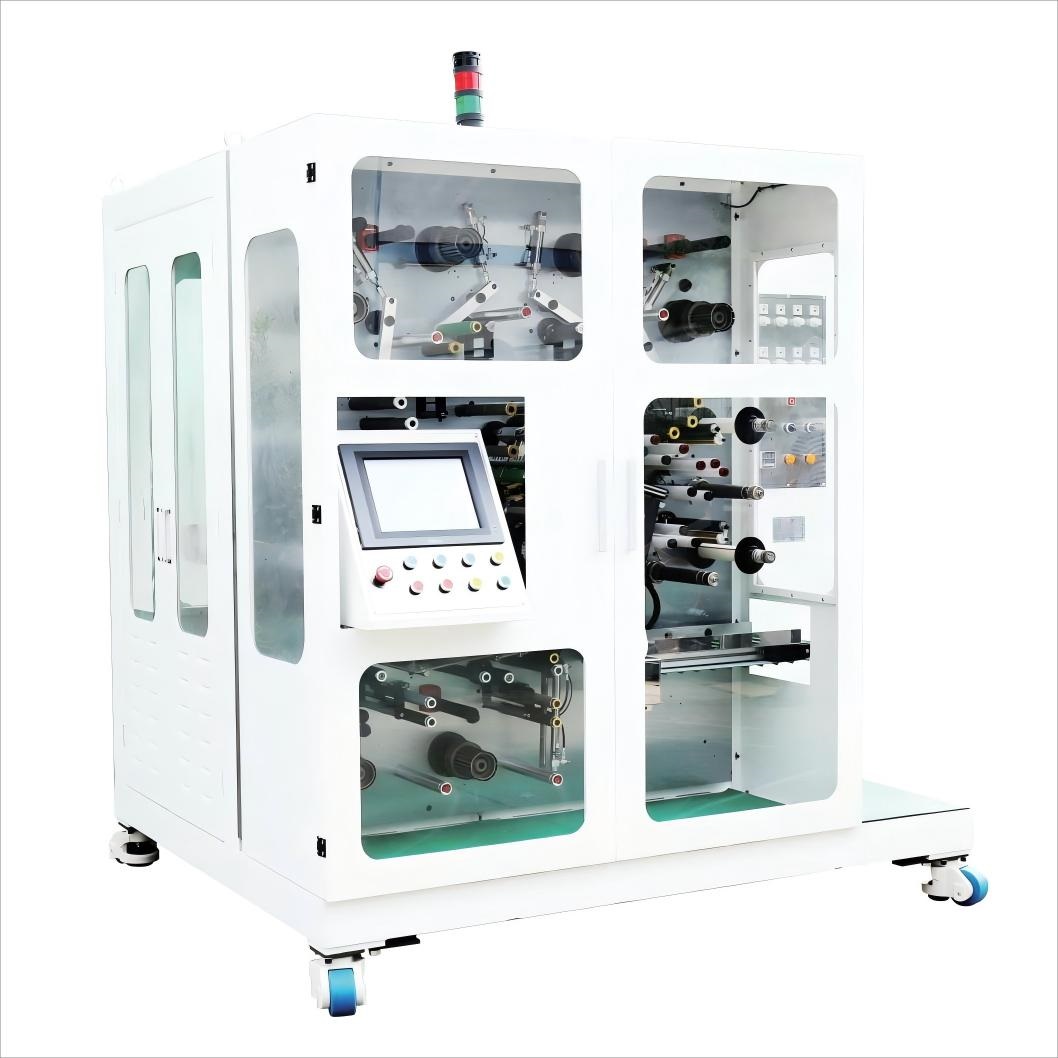
High-quality manufacturing reduces the scrap rate. When we use a precisionstandard mandrel holder for capacitor or battery winding machine, the core of the roll is perfectly concentric. This eliminates internal mechanical stress. As a result, the electrical properties remain stable over millions of cycles.
When you analyze the price of a premium component, you are paying for the advanced frequency testing, the tight tolerance of the winding tension, and the purity of the potting materials. It is an investment in the uninterrupted operation of your final product.
What Materials Define the CBB60 Series of Motor Run Capacitors?
The core performance of any energy storage unit is dictated by its chemistry and physical materials. This series of motor run capacitors is ideal for start and run applications precisely because of the uncompromising material science behind it.
The primary active material handles high voltage spikes effortlessly. The metallized layers are deposited in a deep vacuum, ensuring absolute uniformity. Any deviation in the thickness of this metal layer would create localized hot spots, leading to early failure.
Furthermore, the external connection tabs and wires are welded using high-frequency ultrasonic bonding. This solid-state welding process ensures that the connection point has the lowest possible electrical resistance. Lower resistance means less heat, which is the primary enemy of any electrical component.
How Are These Capacitors Housed for Superior Reliability?
The environment outside the component can be just as destructive as the electrical stress inside. To combat this, the motor run capacitors are encapsulated rigorously. Specifically, the capacitors are encapsulated with resin and housed in a self-extinguishing plastic case which allows for superior reliability and a high mechanical shock and vibration strength.
This heavy-duty potting process serves multiple purposes:
- Moisture Barrier: The epoxy completely seals the internal roll from humidity, preventing internal oxidation.
- Thermal Dissipation: The resin conducts heat away from the core to the outer shell, keeping the unit cool.
- Vibration Dampening: In high-impact environments, the solid potting prevents the internal layers from shifting.
When you install one of these units in a heavy-duty piece of equipment, you need the confidence that physical impact won't sever the internal leads. This robust housing is what guarantees that peace of mind.
Why is the CBB60 Ideal for Start and Run Applications?
Electric motors require a massive jolt of energy to break inertia and begin turning. A start capacitor provides this initial, powerful kick. However, once spinning, the system needs a different type of support to maintain smooth rotation. This is where dual-purpose engineering shines.
While a dedicated motor start capacitor is used briefly and then switched out of the circuit, the CBB60 is designed for continuous duty. It provides enough initial phase shift to help start the rotation, but it is built robustly enough to stay in the circuit permanently. This reduces the need for complex centrifugal switches that are prone to mechanical failure.
Manufacturing these dual-purpose units requires specializedwinding machines for starting capacitors. The machine must create a heavy edge on the metallization to handle the high current surge during the start phase, without sacrificing the low-loss characteristics needed for the continuous phase.
Where Else is the CBB60 Capacitor Widely Used?
Beyond standard industrial pumps, the capacitor is widely used across various consumer and commercial sectors. You will find them buried deep inside the chassis of a commercial refrigerator, ensuring the cooling system cycles on and off seamlessly without drawing excessive grid power.
The HVAC industry relies heavily on them as well. In commercial air conditioning setups, these units help drive the massive fans that push chilled air through ductwork. Furthermore, standard air conditioners use them to stabilize the power drawn by the primary compressor.
Even outside of cooling and washing, you will see them supporting the main engine of heavy agricultural ventilation fans or driving a dedicated single-phase water fountain pump. Their versatility makes them a staple in any electrical engineer's design playbook.
How Does It Support Asynchronous Motors and General A.C Systems?
The underlying physics of alternating current means that power delivery is not a straight line; it is a wave. For rotational equipment to function efficiently, the magnetic fields inside the stator must be perfectly timed. These units support run applications in single-phase asynchronous motors and general a.c systems by providing the exact electrical phase shift needed to create a rotating magnetic field.
| Specification |
Importance for Asynchronous Systems |
| Voltage Rating (e.g., 450v ac) |
Ensures the unit can survive back-EMF spikes without dielectric breakdown. |
| Capacitance Value (e.g., 35uf) |
Determines the exact angle of the phase shift, dictating rotational torque. |
| ESR (Equivalent Series Resistance) |
Low ESR prevents the unit from overheating during continuous high-frequency cycling. |
Whether you are specifying a massive 80 microfarad unit for a heavy industrial blower or a compact 35uf version for a residential application, the core function remains the same: stabilizing the magnetic fields. A well-manufactured cbb60 acts as the steady heartbeat of the entire alternating current ecosystem.
When sourcing these critical components, understanding the machinery that builds them gives you a massive advantage. Knowing that your supplier uses state-of-the-art winding technology, precise tension control, and high-purity potting materials allows you to confidently guarantee the lifespan of your own products.
Key Takeaways for Process and Procurement Engineers
- Precision is Power: The longevity of a cbb60 is directly tied to the automated winding machinery used to create it. Inconsistent tension leads to early failure.
- Material Matters: The use of high-grade metallized materials ensures excellent self-healing properties and low thermal generation.
- Robust Housing is Non-Negotiable: For industrial applications, ensure the units are fully encapsulated in epoxy and housed in flame-retardant casings to survive severe vibrations.
- Dual Functionality: These specific units excel in continuous duty, eliminating the need for fragile mechanical centrifugal switches in many circuit designs.
- Total Cost of Ownership: Prioritize manufacturing quality over upfront component price. A precision-wound unit drastically reduces field failures and expensive equipment downtime.