Automatic Capacitor Winding Excellence: How a Supplier and Capacitor Winding Machine Manufacturer Can Wind a Super Capacitor with Automatic High Efficiency and Perfect Grading
The world of energy storage is advancing rapidly, and the machinery building these components must keep pace. Understanding the deep mechanics of your production hardware is the only way to eliminate unpredictable downtime and secure your margins. In this comprehensive engineering guide, we break down the core technologies that define premium production hardware. You will discover exactly how tension control algorithms prevent material stretching, why precision tooling eliminates internal arcing, and how proper testing protocols stop failures before they start. If you want to build a highly reliable unit that withstands extreme conditions, mastering these core principles is absolutely essential for your factory.
What Exactly is a Capacitor Winding Machine and How Does it Function?
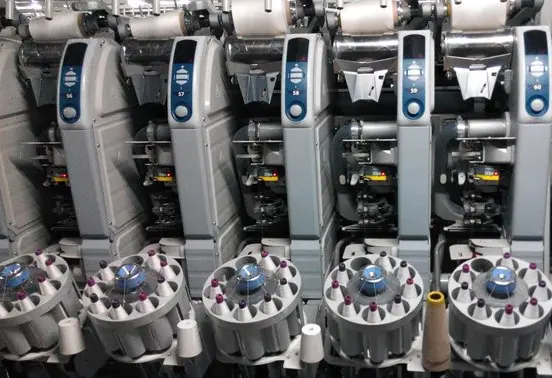
At its most basic level, this specific type of machinery is designed to roll incredibly thin layers of conductive and insulating materials together. To successfully wind a functional energy storage unit, the hardware grips the delicate films using a central rotating shaft. As the shaft spins at incredible speeds, the machine pulls the materials from supply spools, wrapping them tightly into a dense, cylindrical shape. This tight grouping forces the active layers together, eliminating microscopic air gaps that could otherwise cause catastrophic failures in the field.
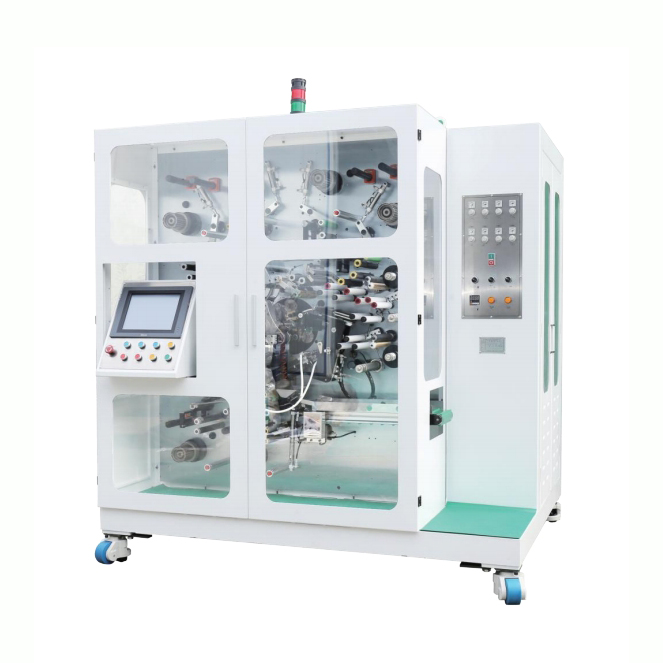
Every piece of equipment relies on strict alignment. If the hardware cannot wind the layers with exact, micron-level precision, the entire batch might fail quality control. A modern, automated system takes care of the feeding, cutting, and taping without any human intervention. This hands-off approach keeps the raw material clean and entirely free from skin oils or dust that cause dangerous electrical shorts.
The physical mechanics of how we wind these elements dictate their final electrical properties. If you roll the unit too loosely, the internal resistance spikes. If you roll it too tightly, you risk tearing the fragile internal films. Balancing these forces is the true art of modern factory engineering.
Why Do Modern Manufacturing Lines Demand Automatic Systems?
In today's fast-paced manufacturing world, manual labor simply cannot deliver the consistency required for high-end electronics. Using an automated setup completely eliminates costly human errors. A fully automated system ensures that every single unit meets strict dimensional tolerances, resulting in fewer jams during the final assembly process.
When producing any complex electronic device, absolute consistency is your most valuable asset. A modern production line relies on smart sensors and dynamic feedback loops to do the heavy lifting. By integrating advanced equipment, factories can run continuously without fatigue. This dramatically drops the total cost of ownership over the extended life of the hardware.
We see this technological shift globally, especially in tech hubs across China, where high-tech factories push the very limits of speed and precision. Upgrading to a premium automated system is no longer just an optional luxury for a niche manufacturer. It is a strict, undeniable requirement if you want to stay competitive and deliver flawless products to the global market.
How Can a Reliable Winding Machine Manufacturer Improve Your Yield?
Working with a professional machinery partner changes the entire dynamic of your factory floor. A great partner understands the complex physics behind the rolling process. They know exactly how much tension is needed to pull the fragile foil without stretching it past its yield point. This deep, practical knowledge prevents the delicate layers from snapping during intense, high-speed production runs.
Consider the physical tooling involved on your floor. The absolute concentricity of the central shaft is critical. If you use a cheap, unbalanced shaft, it will vibrate violently and ruin the material alignment. We highly recommend using a top-tier Standard mandrel holder for capacitor or battery winding machine to keep your rolls perfectly round and stable. A reliable supplier will proudly equip your factory with hardened tools that resist daily wear and tear.
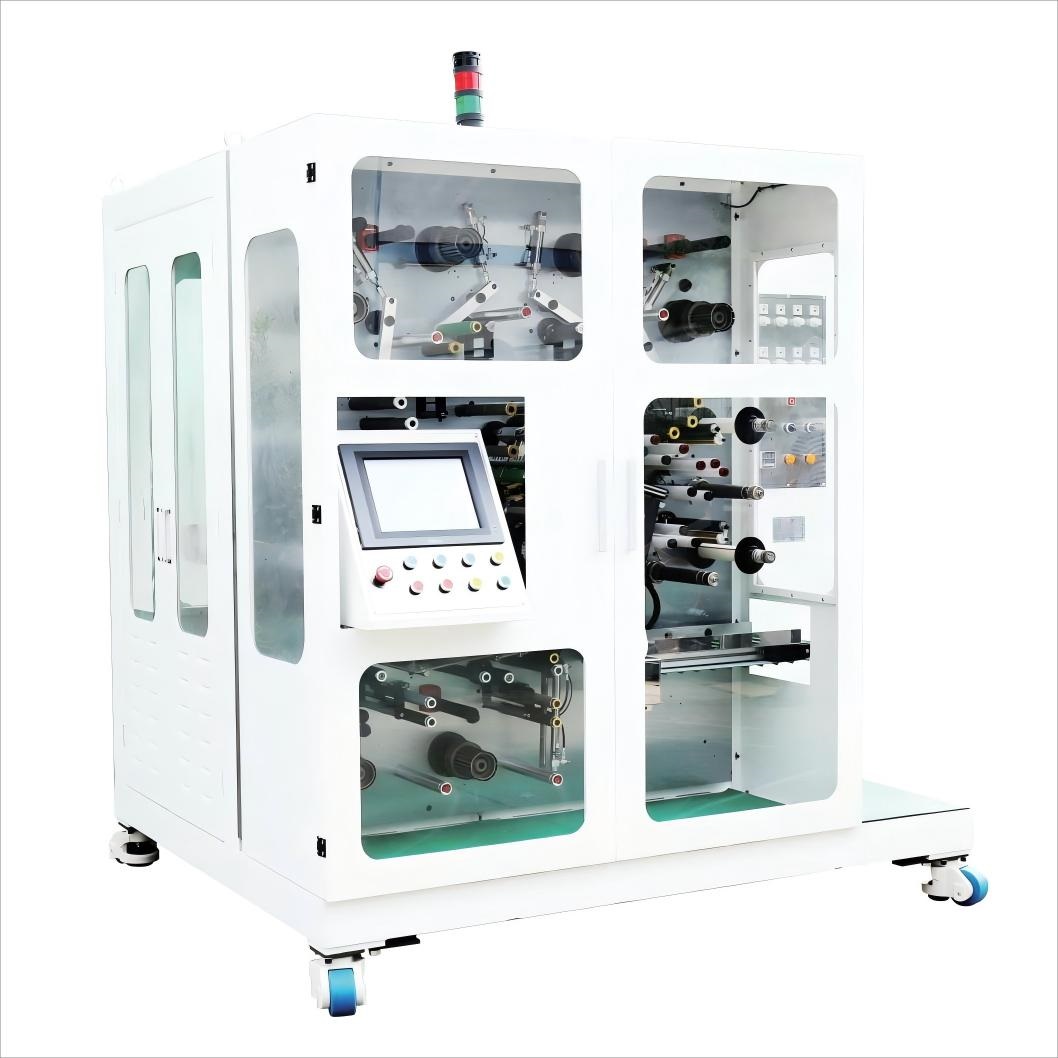
Ultimately, a good partner acts as an extension of your own engineering team. They provide vital customization options so the hardware fits your exact floor layout and specific material needs. This strong technical partnership guarantees a smooth operation and significantly boosts your daily yield.
What Role Does Battery Equipments Limited Play in Cell Automation?
The engineering worlds of traditional energy storage and modern battery production are remarkably similar. A company functioning like battery equipments limited often focuses heavily on strict automation to build better, safer power units. When you build a modern power cell, you must roll the active materials tightly to maximize the overall energy density. This requires incredibly precise and robust machinery.
Many of the hard lessons learned in high-volume battery manufacturing apply directly to our core processes. For example, controlling the thin separator film is absolutely vital in both industries. Strict automation ensures the separator stays perfectly centered between the highly conductive plates. If this insulating film drifts even slightly, the cell will short out and fail completely during charging.
By carefully observing how industry leaders handle complex cell construction, we can aggressively improve our own daily processes. Advanced automation makes the entire processing stage much faster and infinitely safer. It removes the dangerous guesswork out of building volatile power units.
How Do Xiamen Electronic LTD Innovations Shape Coil Winding Machines?
Companies operating in dense tech hubs, acting as a Xiamen electronic ltd or similar entity, drive massive global innovation. They are constantly testing and improving coil winding machines to handle entirely new, exotic materials. A modern making machine must be highly flexible to adapt to rapidly changing market demands and new geometric shapes. These engineering hubs produce agile tools that can quickly switch between different product sizes with minimal downtime.
One major technological leap is the seamless integration of smart sensors. Forward-thinking brands like tmaxcn often showcase machines that monitor the rolling process in real-time. If the pulling force spikes dangerously, the machine winding machine adjusts the drive motor instantly to prevent a catastrophic material break. This smart, responsive technology keeps the production equipment running smoothly without requiring constant manual tweaks.
These specific innovations make the modern winder smarter and much more robust. When you purchase a modern winder, you are getting a highly advanced piece of engineering logic. It is designed to handle the toughest processing jobs with absolute ease.
Semi-Automatic vs. Fully Automatic: Which Machine Used is Best for Your Processing?
Choosing between a semi-automatic and a full automatic setup is a massive financial and operational decision. A semi-automatic setup requires a dedicated human operator to physically load and unload the parts for every single cycle. This is great for small batches, R&D labs, or custom orders where rapid flexibility is key. However, the overall cycle time is much slower because it relies entirely on unpredictable human speed.
On the other hand, a full automatic system does everything itself. The automated feeding mechanism handles the raw material directly from the massive supply spools. This drops the cycle time dramatically and massively increases your overall output. If you run a massive, high-volume factory, a full automatic system is truly the only way to meet your strict daily quotas.
| Feature |
Semi-Automatic System |
Fully Automatic System |
| Operator Required |
Yes, full time |
No, only for setup and monitoring |
| Output Volume |
Low to Medium |
Extremely High |
| Cycle Time |
Slower (variable) |
Very Fast (consistent) |
| Initial Cost |
Lower |
Higher |
| Ideal For |
R&D, small custom batches |
Mass production, tight tolerances |
Talk openly with your trusted wholesaler to find out exactly which system fits your current budget. While fully automated systems cost significantly more upfront, their long-term value is completely undeniable. They simply get the job done faster and better.
How Does Mechanical Tension Control Guarantee Quality When You Wind Foil and Material?
When you aim to wind a tight, perfect roll, strict mechanical tension control is your ultimate safety net. The machine must pull the delicate foil and the plastic material with just the right amount of physical force. If the pull is too loose, the inner layer gets sloppy, and the unit literally falls apart. If it is too tight, the thin sheet stretches, completely ruining the required electrical properties.
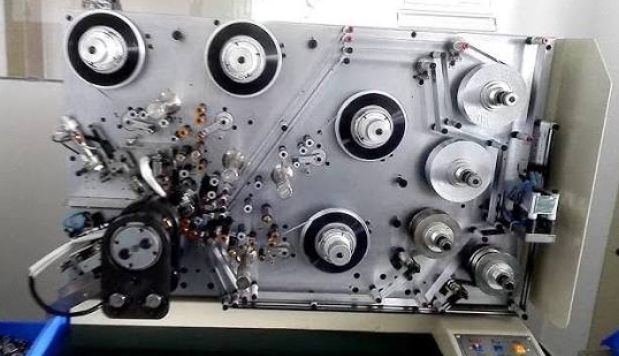
A good, responsive tension control system uses a dancing roller to keep the pull steady and even. As the massive supply spool turns, the roller physically absorbs any sudden jerks or vibrations. This brilliant mechanism ensures that every single layer is wrapped perfectly over the last one. It is the closely guarded secret to making a strong, durable core that lasts for decades.
You also need surgically precise cutting tools to finish the job cleanly. An excellent Aluminum wire cutter will slice the material without leaving jagged, dangerous edges. Clean cuts mean much better electrical connections and a significantly safer final product.
Why is Precise Grading Critical Before We Wind the Element?
Before we ever start the machines, strictly grading the incoming materials is absolutely essential. Grading means carefully sorting the raw films by exact thickness and overall quality. If you accidentally use a bad piece of film, the entire finished element will fail its final electrical tests. It is infinitely cheaper to catch bad material before it ever goes into the machine.
"Quality cannot be inspected into a product; it must be built into it from the very first layer."
By strictly grading your supplies, you ensure that the internal resistance and final capacitance stay perfectly within tight design limits. A highly stable capacitance value is crucial for any sensitive electrical circuit. If the values drift too far, the entire connected electronic board might malfunction or burn out.
Take the extra time to properly test your raw materials in a specialized dry room if necessary. Ambient moisture can completely ruin a good film very quickly. Proper, strict grading and careful climate-controlled storage strongly guarantee that your final product will perform exactly as expected in the field.
Can a Dual-Purpose System Handle Both Pouch Cell and Cylindrical Battery Tasks?
Many modern, agile factories use a highly versatile system to execute multiple distinct jobs. With minor tooling adjustments, the exact same piece of equipment can often handle building a flat pouch cell or a round cylindrical battery. The core mechanical action is exactly the same: you must carefully wind an anode, a cathode, and an insulating separator together into a tight bundle.
For a modern pouch cell, the machine carefully rolls the coated electrode into a flat, compact oval shape. For a standard cylindrical battery, it rolls them into a tight, dense cylinder. A dual purpose making machine saves incredibly valuable floor space and vital capital. It gives you the power to quickly pivot your daily production based on exactly what your major clients need right now.
However, the physical tooling must be absolutely top-notch to pull this off. The electrode coating is highly delicate and can easily flake off if the metal guides are rough or scratched. Using polished, hardened guides and a high-quality high-speed steel winding mandrel end set helps vigorously protect the fragile pure aluminum wire and copper foils during high-speed operations.
What Are the Key Maintenance Tips to Ensure High Speed and Reliable Function?
To keep your expensive equipment running reliably at a very high speed, regular, proactive maintenance is a non-negotiable must. First, you must always check the primary drive motor and the synthetic drive belts for any signs of premature wear. A slipping motor will instantly ruin your carefully tuned tension settings and completely destroy the product. Second, you must frequently clean the plc touch interface so your floor operators can read the critical error codes easily and clearly.
You also need to routinely inspect the automated cap insertion mechanisms if your specific design uses them. You must make absolutely sure all moving parts are properly lubricated and entirely free of abrasive dust. A clean machine is a highly reliable machine. If you are working with a dangerous high voltage (hv) application or a heavy dc electrical load, dirty internal contacts can cause dangerous, explosive sparks.
Finally, you must always partner with a premium provider for your specific spare parts. Any complex winding machine auto setup or specialized winding machine supercapacitor line requires exact, factory-certified replacement parts. Using cheap, untested knockoffs will only lead to disastrous breakdowns. Treat your machine for battery lines with high respect, and they will run flawlessly for many years.