The transition to electric mobility and high-efficiency industrial actuation has placed immense pressure on the manufacturing sector to produce motors that are not only powerful but also compact and energy-efficient. At the center of this revolution lies a critical, yet often overlooked process: the precise layering of copper wire onto a stator. While traditional methods served us well for decades, the demand for higher slot fill factors and complex geometries has pushed engineers to adopt more advanced solutions. This is where needle winding comes into play. It is a sophisticated technology that allows for the high-speed, precise placement of wire into the slots of a stator, fundamentally changing how we approach the design ma le production of modern electric motors.
How Needle Winding Technology is Revolutionizing Stator Production in the Modern Needle Winding Machine
The concept of needle winding represents a significant leap forward from conventional flyer winding techniques. In a standard Suafa masini, the goal is simple: wrap the wire around a core. However, as motor designs have evolved, particularly with the rise of Brushless DC (BLDC) motors, the space available for the nozzle to maneuver has shrunk. A needle winding machine solves this by utilizing a slender, reciprocating winding needle that carries the wire directly into the groove of the stator stack.
Lea technology is not just about getting wire into a hole; it is about controlled dynamics. The masini must synchronize the vertical movement of the nila with the rotational indexing of the stator. This coordination ensures that every turn of wire is placed exactly where it needs to be, maximizing the magnetic efficiency of the final product. For engineers like Marcus in the German automotive sector, this precision is the difference between a high-performance motor and a mediocre one.
What Defines the Core Technology Behind a Needle Winding Machine?
The architecture of a needle winding machine is a marvel of modern otometi. Unlike simpler systems, these machines rely on complex kinematic linkages. The core of the system involves a nozzle carrier—the "needle"—which moves in a lifting and lowering motion. Simultaneously, the wire is fed through this nila from a tensioning unit.
The defining characteristic of this technology is the ability to maintain constant tension on the uaea while executing rapid directional changes. A standard Suafa masini might struggle with the tight radii found in modern multipole stators, but a nila system excels here. The design allows the nozzle to enter the stator bore, navigate around the stator poles, and deposit the wire layer by layer. This capability is essential for achieving a high copper fill factor, which directly correlates to the power density of the electric motor.
How Does the Needle Winding Process Actually Work on a Stator?
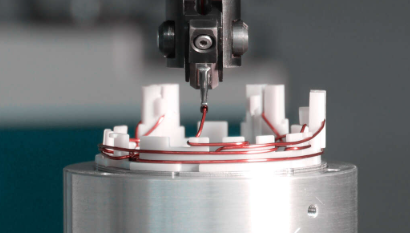
Le process o needle winding is a ballet of mechanical synchronization. It begins with the stator being clamped securely in the machine. A wire guide feeds the copper strand through the hollow nila. Pei o le process initiates, the nila descends into the stator slot.
- Stroke and Index: Le nila moves vertically (stroke) to lay the wire along the length of the pole.
- Crossover: At the top or bottom of the stroke, the nila or the stator shifts (indexes) to guide the wire around the end of the pole.
- Layering: This cycle repeats, with the masini calculating the precise position for each turn to ensure perfect layering (orthocyclic winding).
The beauty of this process lies in its fetuutuunai. By adjusting the stroke and index parameters via Cnc controls, the same masini can adapt to various stator heights and pole configurations.
Can High-Speed Stator Winding Machines Maintain Accuracy?
One of the primary questions in falefaigaluega manufacturing is the trade-off between saosaoa and accuracy. In the realm of high-speed stator winding machines, this balance is critical. Modern otometi has allowed us to push the limits of how fast the nila can oscillate without sacrificing precision.
However, speed introduces physical challenges. As the saosaoa increases, the tension on the wire fluctuates wildly. If the masini cannot compensate for this, the wire may break or, worse, stretch, which changes its electrical resistance. Advanced needle winding systems employ dynamic tensioners and servo-driven control loops to monitor the wire stress in real-time. This ensures that even at high speeds, the com matagi remains tight and uniform, preserving the integrity of the stator.
What is the Role of the Guide and Nozzle in Wire Handling?
A o le masini provides the motion, the au faitele ma le guide interact with the material. As a manufacturer of precision parts, we understand that the quality of the Tungsten Carbide Aszzle is paramount. The winding needle acts as the final conduit for the wire.
If the internal surface of the au faitele is rough, it will strip the insulation from the wire, leading to short circuits. If the guide radius is too sharp, it will snap the wire under tension. Therefore, the wire handling components must be crafted from ultra-hard materials like tungsten carbide or ruby, polished to a mirror finish. This attention to detail in the guide assembly ensures that the high-speed movement does not compromise the wire's insulation.
Why is Needle Winding the Go-To Solution for BLDC Motor Manufacturing?
The Brushless DC (BLDC) motor has become the standard for applications ranging from drones to electric vehicles. These motors often feature concentrated windings on individual teeth. Needle winding is the ideal vaifofo for this architecture.
I le a BLDC stator, the space between the poles (the slot opening) can be very narrow. A traditional flyer winder cannot reach inside these tight spaces without hitting adjacent poles. The thin profile of the winding needle allows it to slip through narrow slot openings, depositing wire directly onto the tooth. This capability allows designers to create motors with more poles and higher torque density, making needle winding indispensable for modern bldc gaosia.
How Does CNC Automation Transform Stator Winders?
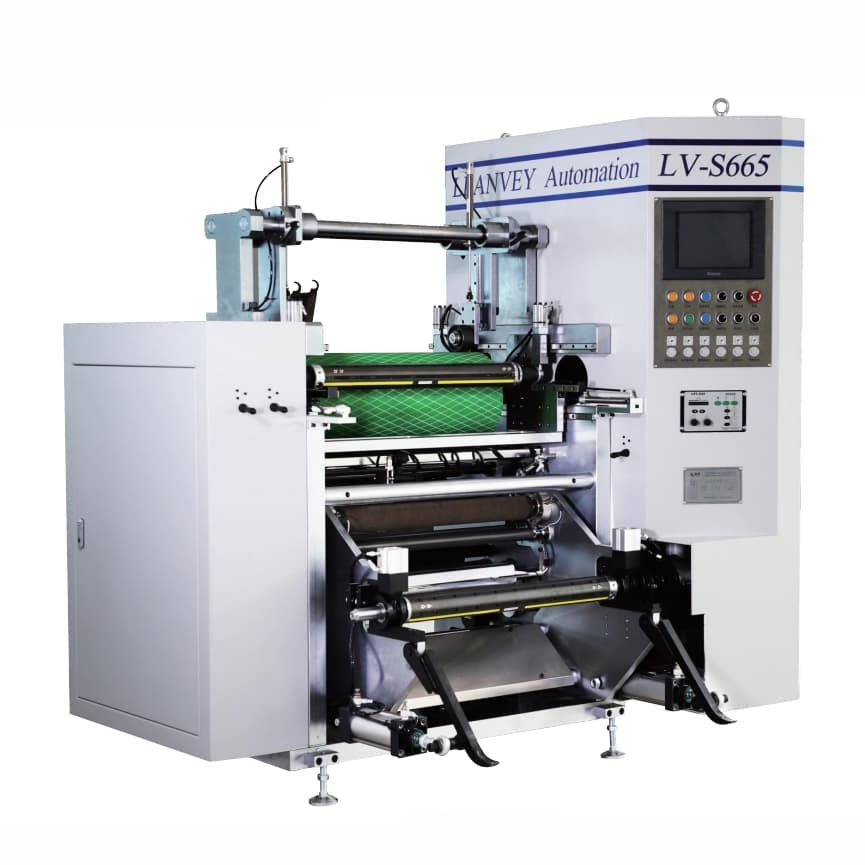
The integration of Cnc (Computer Numerical Control) technology has transformed stator winders from rigid tools into flexible manufacturing cells. A programmable system allows engineers to design complex winding patterns on a computer and upload them directly to the masini.
Lea otometi means that a changeover from one stator design to another doesn't always require a complete mechanical retooling. Often, it is a matter of selecting a new program and changing the guide nozzle. This fetuutuunai is crucial for suppliers who need to produce small batches of custom motors alongside high-volume runs. The Cnc system controls the axis of the nila, the rotation of the stator, and the wire tensioning simultaneously, ensuring a highly repeatable process.
Does the System Offer Flexibility for Different Stator Poles?
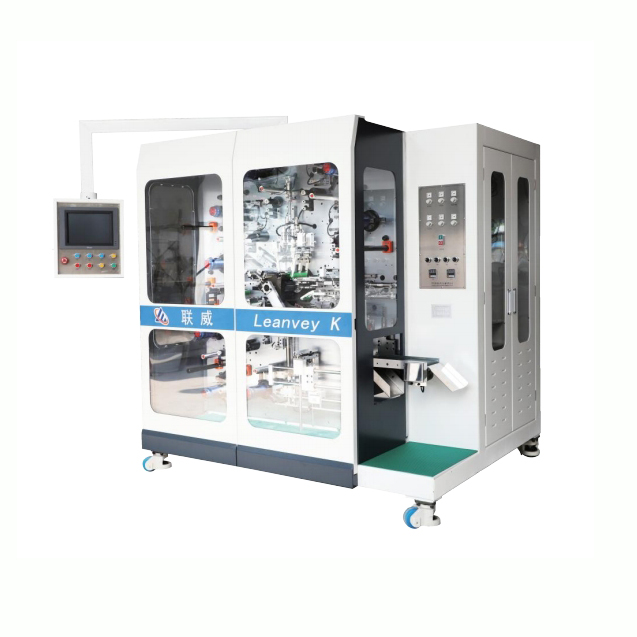
A major advantage of needle winding technology is its adaptability to different geometries. Whether the stator has 3 poles or 36 poles, the masini can be programmed to index accordingly.
The key to this fetuutuunai lies in the design o le nila carrier and the stator mount. By using a modular design, operators can quickly swap out the tooling fixtures that hold the stator. Furthermore, the winding needle itself can be changed to accommodate different uaea diameters. This allows a single piece of meafaigaluega to serve multiple product lines, making it a cost-effective vaifofo for dynamic manufacturing environments.
What are the Common Challenges in Coil Winding and How to Solve Them?
Despite its advantages, needle winding is not without challenges. One common issue is "bulging," where the wire builds up unevenly at the top or bottom of the coil. This can prevent the nila from passing through the slot on subsequent layers.
To solve this, advanced stator winding machines use precise layering algorithms that distribute the wire turns evenly. Another challenge is uaea breakage during the high-acceleration phases of the nila stroke. This is solved by using high-quality Uaea Talia and sophisticated tension control systems that anticipate the movement of the machine and adjust the resistance accordingly.
How Do Precision Consumables Affect the Reliability of the Equipment?
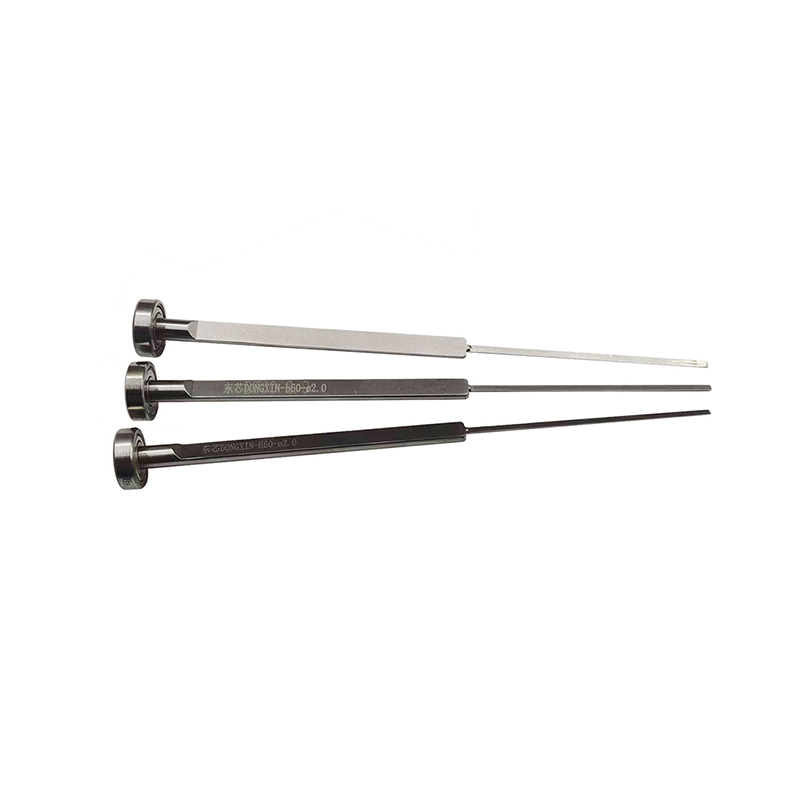
Finally, the MFsitaga of any needle winding machine is ultimately dependent on the consumables it uses. The nila, the nozzle, and the rollers are the parts that endure the most stress and friction. As a winding machine parts manufacturer, we know that using sub-par materials leads to frequent downtime.
Afai o le au faitele wears out prematurely, it can scratch the wire, leading to latent failures in the electric motor that might not appear until the customer uses it. Therefore, investing in high-quality, precision-engineered top quality winding machine needle components is not just a maintenance cost; it is an investment in the quality of the final product. Reliable consumables ensure that the otometi runs smoothly, efficiently, and without interruption.
Autu Auta
- Precision is Key: Needle winding allows for high slot fill factors essential for modern efficient motors.
- Complex Geometries: Lea technology is the ideal vaifofo mo bldc motors with tight slot openings.
- The Component Matters: Le lelei o le au faitele ma le guide directly impacts wire integrity and machine uptime.
- Automation Wins: Cnc controlled stator winding machines offer the necessary fetuutuunai for diverse production needs.
- Tension Control: maintaining dynamic tension is critical to prevent breakage at high speed.