Choosing the best semi automatic coil winding machine is an important decision for manufacturers producing motors, transformers, inductors, relays, solenoids, and other wound components. The right machine can help improve winding consistency, reduce repetitive manual work, and support more controlled production without the complexity of a fully automated line.
A semi automatic coil winding machine is often a practical choice for businesses that need better repeatability than manual winding but still require operators to manage setup, material changes, positioning, inspection, or other production steps. It can suit both growing workshops and established manufacturers handling varied coil designs.
What Is a Semi Automatic Coil Winding Machine?
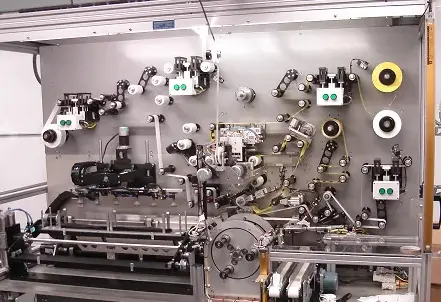
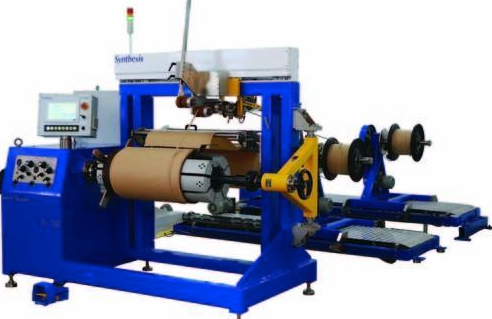
A semi automatic coil winding machine is equipment designed to wind wire onto a bobbin, core, former, spool, or other coil structure with motor-driven and programmable assistance. Depending on the configuration, the machine may help control winding speed, turn counting, direction, and other repeatable functions.
Unlike manual winding, semi-automatic equipment can reduce dependence on an operator’s hand movement for every turn. Unlike a fully automated system, however, it typically still requires an operator to load components, prepare wire, adjust tooling, monitor the winding process, and complete certain handling steps.
This balance makes the semi automatic coil winding machine suitable for manufacturers that need flexibility while improving production control.
Why Choose Semi-Automatic Winding Equipment?
The best production solution is not always the system with the highest level of automation. For many coil manufacturers, a semi automatic coil winding machine offers a useful middle ground between cost, flexibility, and output requirements.
Improved Winding Consistency
Consistent winding is important for many electrical components. The number of turns, wire placement, winding direction, and tension can all influence the final coil. Semi-automatic equipment can help operators repeat the same winding process more reliably across production batches.
Consistency is particularly valuable when producing components with defined design requirements or when reducing variation between operators is a priority.
Better Efficiency Than Manual Winding
Manual coil winding can be slow and physically demanding, especially for repetitive production. A semi automatic coil winding machine can help reduce the time spent on continuous hand winding and allow operators to focus on setup, quality checks, wire management, and component handling.
The exact productivity improvement will depend on the coil design, wire type, operator skill, setup time, and production process. Manufacturers should evaluate the machine against their own real production conditions rather than rely on a general output claim.
Flexible for Different Coil Types
Many manufacturers do not produce only one coil design. They may need to make different bobbin sizes, wire diameters, turn counts, winding patterns, or product variants. Semi-automatic winding equipment can be attractive where production flexibility matters.
Before selecting a machine, buyers should confirm whether the equipment can accommodate their intended product range and any tooling changes required between jobs.
Practical Investment for Growing Production
A fully automatic winding line may be appropriate for stable, high-volume production of a limited product range. However, it may not be the most practical first investment for every manufacturer.
A semi automatic coil winding machine can support a step-by-step automation strategy. It may help a business move beyond fully manual processes while retaining the flexibility to handle prototype work, small batches, product changes, and customized orders.
Common Applications of Semi Automatic Coil Winding Machines
Semi-automatic winding equipment can be used in a wide range of coil-related manufacturing applications. Typical examples include:
- Transformer coils
- Motor stators and related winding components
- Inductors and chokes
- Relay coils
- Solenoid coils
- Ignition coils
- Sensor coils
- Electromagnetic components
- Custom electrical coil assemblies
Each application may have different requirements for wire handling, coil shape, tension control, turn accuracy, insulation, and tooling. Buyers should clearly define the workpiece and process before choosing equipment.
Key Factors When Choosing the Best Semi Automatic Coil Winding Machine
Coil Dimensions and Workpiece Design
Start with the physical characteristics of the component. Consider bobbin dimensions, core shape, winding width, flange clearance, shaft requirements, and the overall size of the finished coil.
A machine should be selected for the actual workpiece range—not only for the product currently being made. If future product expansion is likely, buyers should consider whether the equipment can be adapted through fixtures, tooling, or configuration changes.
Wire Type and Wire Size
The wire material and diameter are central to machine selection. Different wire types may behave differently during winding, especially when insulation, stiffness, surface condition, or tension requirements vary.
Provide the supplier with details of the wire being used, including material type, diameter range, and insulation characteristics. This helps determine whether the semi automatic coil winding machine is appropriate for the intended process.
Required Turn Count and Accuracy
For many electrical coils, the number of turns is a critical production requirement. Buyers should clarify the required winding count, counting method, tolerance expectations, and whether different products need different winding programs.
A clear understanding of these needs makes it easier to choose a machine with suitable control functions.
Tension and Wire-Handling Requirements
Stable wire tension can help support orderly winding and reduce issues such as loose turns, uneven layers, wire damage, or inconsistent coil shape. The appropriate tension approach will depend on the wire and coil design.
Ask how the machine manages wire feeding and what adjustments are available during setup and production. If tension control is especially important for your application, this should be discussed before ordering.
Operator Workflow and Safety
A machine should fit the real workflow on the production floor. Consider how operators load and unload parts, change wire, adjust fixtures, monitor winding, and inspect finished coils.
Clear operating procedures, training, guarding, emergency-stop functions, and maintenance access should also be reviewed. Good equipment selection includes both machine capability and practical day-to-day usability.
Questions to Ask Before Ordering
Before choosing a semi automatic coil winding machine, prepare product samples, drawings, coil specifications, and wire details where possible. Useful questions include:
- What coil types and sizes can the machine handle?
- Which wire range is appropriate for the intended products?
- How are turn counts set and monitored?
- What tooling or fixtures are needed?
- How long does changeover take between different coil designs?
- What operator actions are required during each cycle?
- What maintenance and spare-part support should be planned?
- Can the supplier evaluate a sample workpiece or winding requirement?
Providing complete technical information early can reduce mismatch risks and help define the right equipment configuration.
FAQ
What is the difference between manual and semi-automatic coil winding?
Manual winding relies heavily on the operator to control the winding process. A semi automatic coil winding machine uses powered and controlled functions to assist with repeatable winding while still requiring operator involvement for setup, loading, monitoring, or handling.
Is a semi automatic coil winding machine suitable for small batches?
It can be a practical option for small and medium batches, especially where product variety or changeovers are common. Suitability depends on the coil design, setup requirements, and expected production volume.
Can one winding machine produce different coil sizes?
This depends on the machine design, available fixtures, tooling, and working range. Buyers should provide the full range of coil dimensions they intend to produce before selecting a model.
What information should I prepare for a machine inquiry?
Prepare coil drawings or samples, bobbin or core dimensions, wire type and diameter, required turn count, winding pattern, production volume, and any special process requirements.
Find the Right Winding Solution for Your Production
The best semi automatic coil winding machine is the one that matches your coil type, wire specification, production volume, operator workflow, and future manufacturing plans. A detailed technical discussion before purchase can help avoid unnecessary configuration changes and support a smoother production start.
To discuss your coil winding requirements or request equipment guidance, please contact our team.