This comprehensive engineering guide explores the strict mechanical realities behind creating high-performance energy storage elements. You will discover exactly how precision tooling prevents premature line failures, why specific alignments stop deadly internal arcing, and how proper tension controls dictate final yield. If you are tired of unpredictable line stoppages and want to understand the deep physics behind reliable components, read on. Perfecting your metallized film capacitor winding process is the undisputed key to unlocking massive gains in operational uptime and profitability.
How Does the Capacitor Winding Process Begin?
The journey of a great capacitor starts on the supply reel. A spool of delicate plastic film begins to rotate. -A machine takes over, pulling the extremely fragile material with absolute, unflinching precision. We know that any mechanical judder or vibration at this early stage will ripple through the entire component, creating invisible flaws. Therefore, the automatic tension controllers must act instantly to keep the feed smooth, steady, and perfectly aligned.
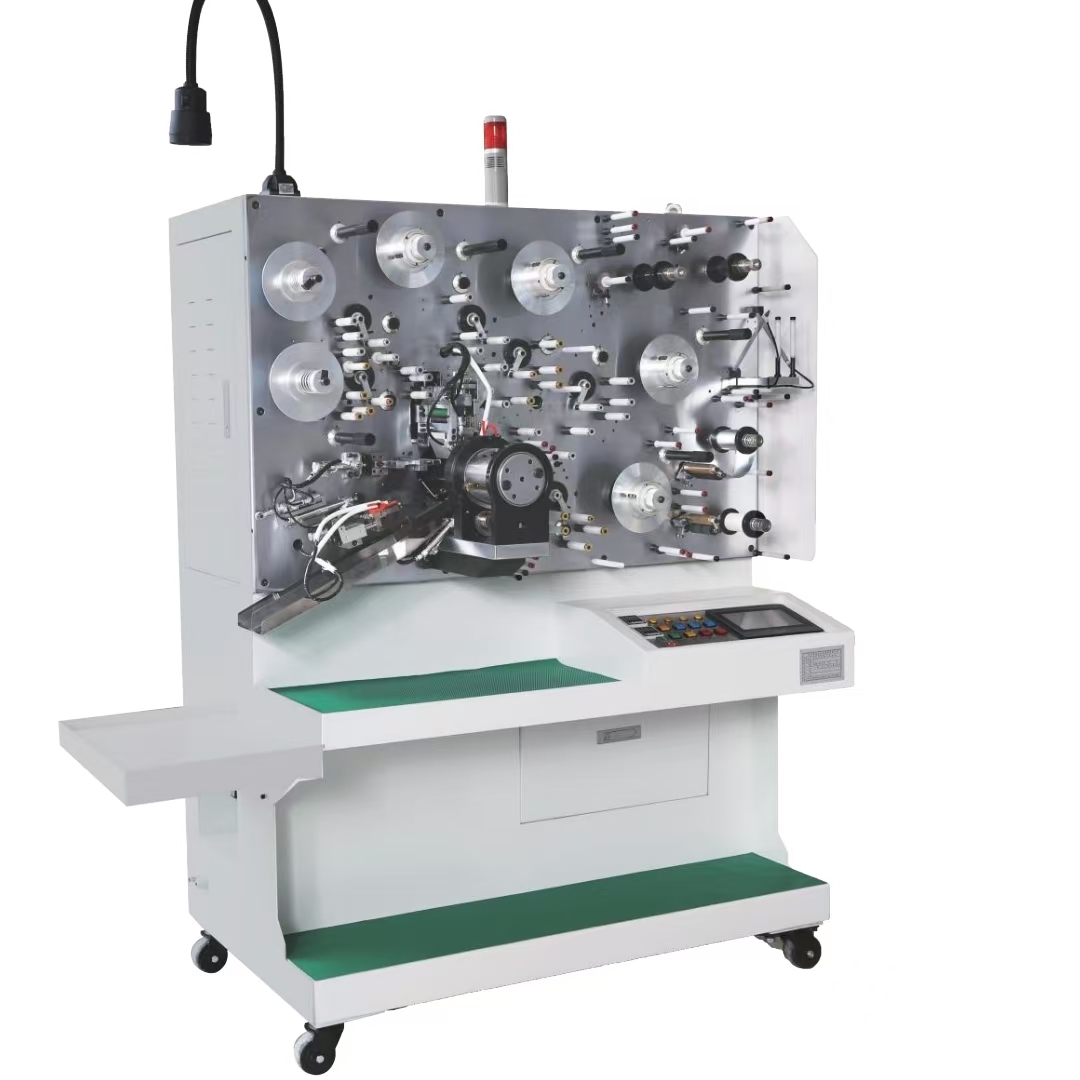
Whether you are building a small snubber for a circuit board or a massive energy bank for a power grid, the core principles remain identical. The equipment must be absolutely egoki for the specific material's tensile strength and stretch coefficient. During standard capacitor winding, the layers are pulled tightly over a central metal core. This tight, controlled grouping forces the active layers together, eliminating microscopic air gaps that could otherwise cause catastrophic corona discharge failures later on. Managing this initial feed is where the battle for quality is won or lost.
Why is the Dielectric Film Choice Critical?
The base plastic you choose acts as the core dielectric material that stores the electrical field. Manufacturers typically choose between polyester, polypropylene, or polycarbonate based on the required thermal and electrical characteristics of the end-user application. For instance, an mpp film (metallized polypropylene) is incredibly famous in our industry for its unique self-healing abilities. When a micro-fault occurs, the localized heat vaporizes the surrounding metal, isolating the fault and saving the unit from total destruction.
Choosing the right base plastic ensures the final unit can easily handle a high voltage environment without breaking down prematurely. The dielectric film acts as an impenetrable insulator, forcefully separating the highly conductive layers. If you choose a cheap, inconsistent material with varying densities, you will constantly fight quality issues, regardless of how good your rolling process is. A stable, high-purity base material is the foundational bedrock of a reliable final product.
What is the Role of Margin in Preventing Arc and Short Circuits?
-A margin is the crucial, unplated edge left bare on the plastic. It is a completely non-metallized strip that runs along the entire length of the material. Why do we need this blank space? If the metal coating went all the way to both edges, the positive and negative sides would touch during the rolling phase, creating an immediate and violent short circuit. The empty space acts as a physical safety buffer.
To create this essential buffer, suppliers use a physical mask during the heavy vacuum deposition process. This shield prevents the metal vapors from sticking to that specific area. When one film is laid over another during assembly, these empty spaces are positioned on opposite sides. This alternating layout ensures that electricity cannot jump the gap, preventing a deadly arc from destroying the unit from the inside out. You can think of it as a mandatory firewall built directly into the component's architecture.
How Do You Manage Thickness for Optimal Capacitance?
The physical thickness of the base plastic directly dictates the final electrical capacitance. Thinner plastics allow you to pack far more layers into the exact same physical volume, drastically increasing the effective surface area of the internal plates. However, thinner materials are also significantly more fragile and highly prone to tearing during high-speed factory operations. You must constantly balance high electrical capacity with realistic physical durability.
When dealing with a large size build, the tension must be meticulously tapered. If you wind too tightly, the massive compressive forces will crush the inner layers. To save space inside tight enclosures, some designs require you to physically flatten the cylindrical roll into an oval shape using a heated hydraulic press. This flat shape fits much better into square housings, but the pressing action must be gentle and controlled to avoid cracking the delicate inner corners.
Why Must We Apply an Offset When Winding Metallized Films?
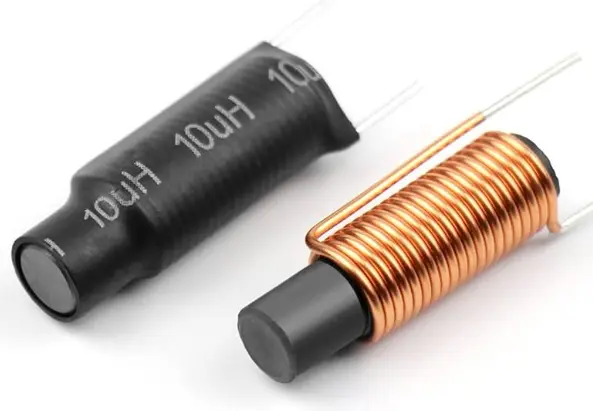
- offset is intentionally introduced so that the edge of one layer sticks out slightly past the other. You align the side margins carefully using precision optical sensors. The metallized surface of the positive layer extends out the left side, while the negative extends out the right. This physical stagger deliberately exposes the film surface containing the metal to the outside world.
This stagger is absolutely vital for the next major manufacturing step. It creates a solid, robust base of overlapping aluminio ala aluminium layers at each end of the roll. If there was no stagger, you would just have a flush cut of plastic, making it functionally impossible to attach external electrical leads effectively. The accuracy of this physical displacement dictates the mechanical strength of your final connections.
How Does the Width of the Film Affect the Capacitor Core?
-A width of your raw material reel dictates the final physical length of the rolled core. A wider reel creates a longer cylinder, which generally handles heat dissipation much better due to the increased surface exposure to the ambient air. However, wider rolls are notoriously harder to keep tracking straight. If the tracking wanders even a millimeter, the roll becomes misaligned, telescoped, and useless.
The final outer diametro grows progressively as you add more wraps. Once the target capacity is mathematically reached, the equipment automatically applies a protective coating or heavy adhesive wrap. This robust outer layer helps secure the entire roll before it moves further down the line into final packaging. A tight, well-secured outer wrap ensures the slippery inner layers do not telescope or slide out of place during transport across the busy factory floor.
Can We Achieve a Perfect Seal Against Humidity and Moisture?
Ezin hobea seal is completely non-negotiable in this industry. Humidity and ambient moisture are the ultimate enemies of high-performance electrical components. Water ingress degrades the internal insulation resistance rapidly, leading to explosive failures. To combat this, many high-end manufacturers will completely impregnate the core with specialized insulating oils or dense epoxy resins.
This complex process involves placing the finished parts in a heavy vacuum oven and applying intense, prolonged heating. The deep vacuum aggressively sucks out every single molecule of trapped water, and then the liquid resin floods in, filling every microscopic void. For heavy-duty ac applications, this thorough potting process ensures the unit survives decades of continuous use in harsh outdoor environments, completely isolated from the brutal weather.
What Happens During the Zinc Spray and Solder Phase?
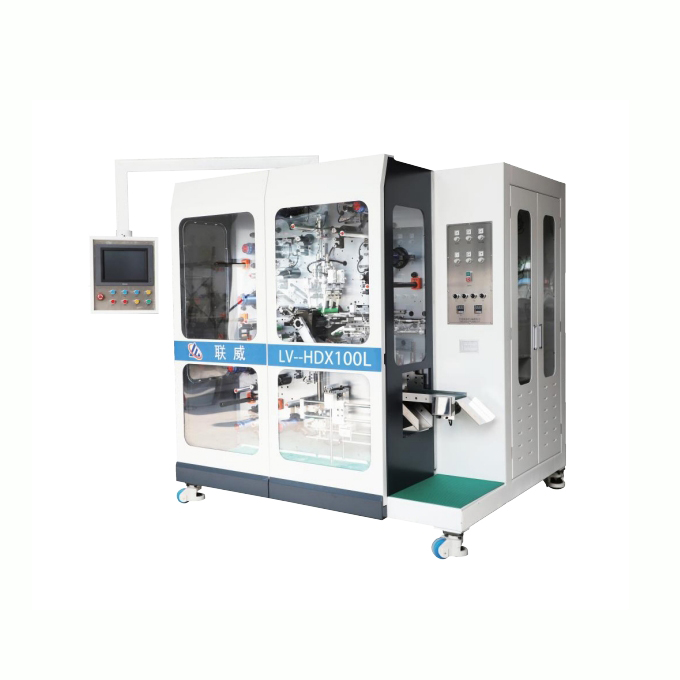
Once properly rolled, the exposed offset edges undergo a violent spray process commonly called schooping. High-velocity, molten zinc is blasted directly onto the ends of the roll using a twin-wire arc gun. Because of the clever staggered layout we discussed earlier, the liquid droplets grab onto the exposed metal layers, instantly welding them all together into one highly conductive solid block.
This aggressive process creates a phenomenally robust terminal. From here, you can easily oher your external leads or heavy copper busbars directly to the ends. The physical obligazio created here must be incredibly strong, both mechanically and electrically. A weak joint creates hidden electrical resistance, which constantly generates heat. In high-power scenarios, this trapped heat will eventually melt the connection, severing the burdin hari entirely and killing the system.
How Do Machine Tools Like the Mandrel Impact the Final Product?
The beating heart of any rolling equipment is the mandrel. The precision machine mandrel holds the core tight and spins at incredibly high speeds. It must be perfectly balanced, like a jet engine turbine. A Mandrel haizea made from hardened stainless steel or tungsten carbide prevents high-speed flexing. If it flexes even a tiny fraction of a millimeter under load, the roll becomes dangerously uneven.
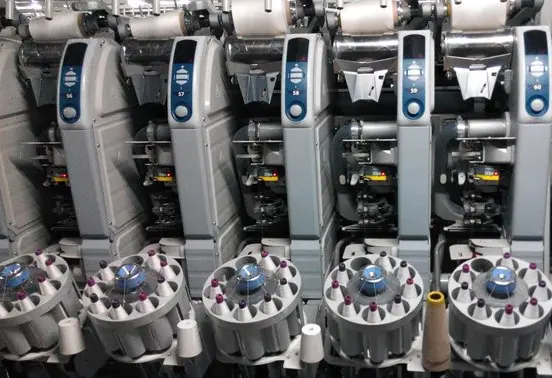
Every industrial capacitor winding machine relies entirely on pristine, perfectly machined precision parts. From the polished ceramic wire guide that prevents surface scratching, to the razor-sharp cutter blade that slices the end tape cleanly, these consumable items define your daily yield. Buying high-quality, factory-direct tools ensures a remarkably long life for your expensive hardware and guarantees your finished products consistently meet their exact design specification aldi bakoitzean.
Why is Automation the Future for Both Capacitor and Battery Winding?
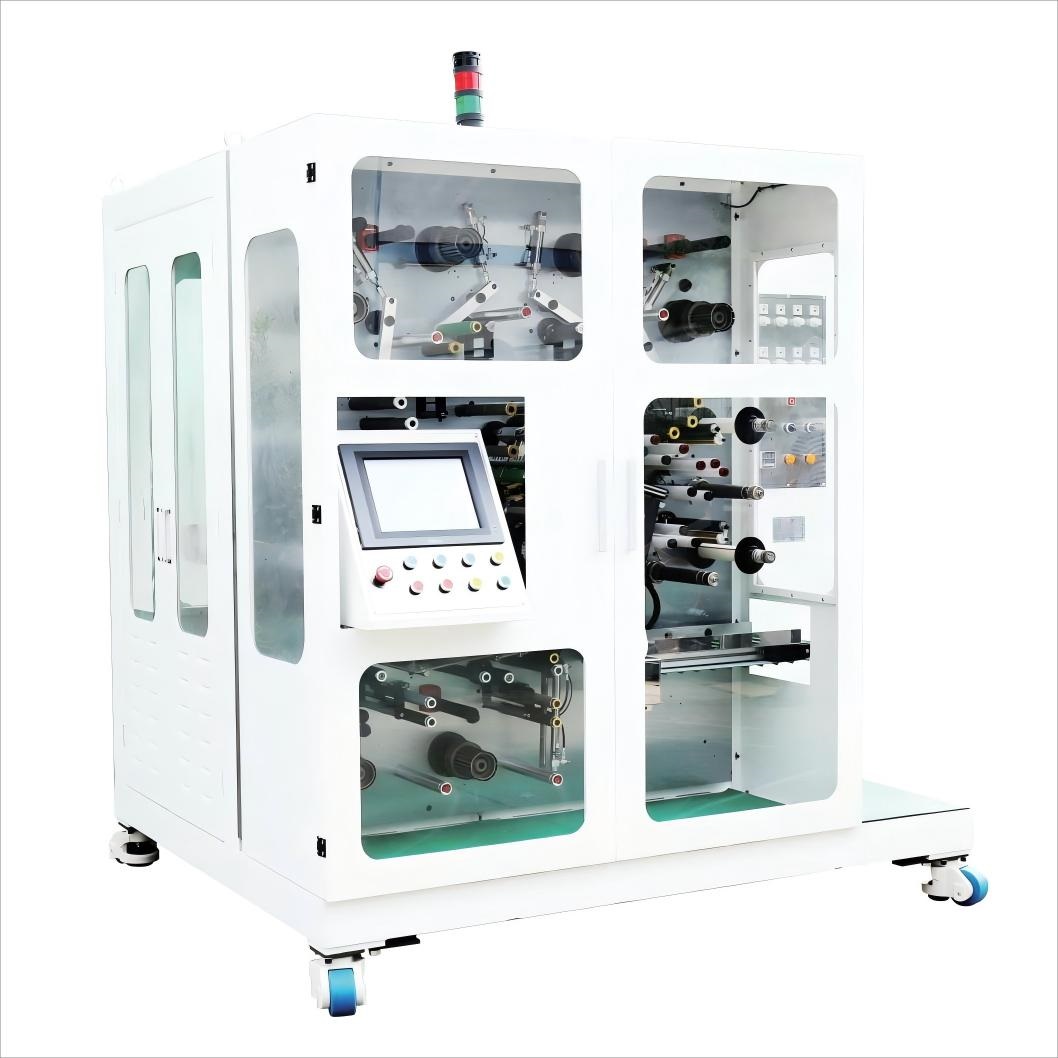
The technological crossover between a modern capacitor or battery assembly line is truly immense. An automatic winding system brings unparalleled consistency to the floor. Whether you are running a massive battery winding process for the latest electric vehicles or churning out bulk components for consumer electronics, strict automatizazio entirely eliminates costly human error.
In the highly competitive elektronika industry, equipment like an automated ultrasonic bonding machine changed the landscape forever. The exact same logic applies here. A modern machine battery setup requires zero manual intervention once the parameters are set. This hands-off, auto approach is a massive, game-changing advantage. The fragile material film must be handled incredibly delicately, and the pulling tension must be sufficient to tightly hold the shape, but not so aggressive that it stretches the plastic. The delicate layers may be wound at terrifyingly high speeds, but only a dedicated computer processor can adjust the motor torque hundreds of times a second to maintain perfect mechanical harmony.
To fully optimize your factory output, you must look at the entire process as a single, breathing organism. The film capacitors you produce are only as good as the lowest quality part on your line. Using cheap metallized films on expensive winding machines is just as foolish as using premium materials on broken, vibrating hardware. You must synchronize your material science with your mechanical engineering.
When we discuss capacitor winding, we are really discussing the fine art of stress management. Every time the core rotates, stress is added to the elektrodo. If you manage that stress properly through flawless tension control, your film capacitors will outlast the equipment they are installed in. If you ignore it, you will spend your days fighting fires, dealing with customer returns, and replacing blown circuits.
In conclusion, taking control of your manufacturing destiny means refusing to compromise on the small details. Whether it is ensuring the zinc penetrates perfectly or verifying that your steel tooling has zero runout, the path to zero-defect manufacturing is paved with meticulous attention to mechanical realities. By understanding the forces at play inside these incredible machines, you can elevate your production line from a chaotic struggle into a finely tuned instrument of profitability.
Essential Takeaways for Process Engineers
- Precision Tooling is Everything: Your mandrels and guides absolutely dictate the physical integrity of the final product. Never compromise on tooling hardness.
- Tension Control Saves Yields: Fully automated tension systems prevent the crushing or stretching of delicate plastics during high-speed runs.
- Offsets and Margins Matter: Correct physical alignment prevents deadly internal arcing and provides the necessary surface for robust zinc spraying.
- Moisture is the Enemy: Proper vacuum sealing and deep epoxy potting are completely mandatory for long-term survival in the field.
- Automation Equals Consistency: Removing unpredictable human error from the rolling phase drastically lowers your total cost of ownership and eliminates scrap.