In the complex world of manufacturing, the most vital components are often the simplest ones. While we marvel at the high-speed robotics and precise computer controls, the entire process often starts with a humble container: the hopper. Whether you are molding palasitika parts for automotive interiors or feeding raw ingredients into a food processor, the hopper is the gateway to your production line. It is the critical vaega that stores raw meafaitino and ensures a steady, consistent supply i le masini below. Without a properly functioning hopper, even the most advanced falefaigaluega masini faumea will grind to a halt. This article explores why this device is so important and how it influences the quality of your final mea.
What Exactly is a Hopper and How Does It Work?
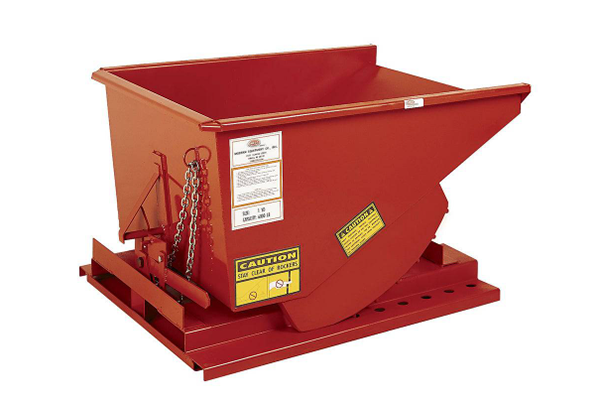
A hopper is essentially a large, funnel-shaped reservoir used in falefaigaluega settings. Its primary purpose is to hold a bulk quantity of raw meafaitino—such as palasitika pellets, powders, or granules—and channel them into a processing masini. It acts as a buffer between the bulk supply and the processing unit.
The design is deceptively simple. It typically features wide, steep sides that angle downward towards a narrower opening or "mouth" at the bottom. This shape allows gravity or a mechanical feeder e siitia le meafaitino smoothly. In a manufacturing plant, you will see a hopper sitting on top of everything from injection molding machines to extruders. It ensures that the masini never runs out of meafaitino mid-cycle, which is crucial for maintaining a continuous workflow.
Why is the Hopper Always Located at the Top of the Machine?
You might notice that the hopper is almost always positioned at the very top o le meafaigaluega. This is not an accident; it is a design choice based on physics. By placing the hopper high up, engineers utilize gravity to do the heavy lifting. The weight of the meafaitino pushes it down towards the feed throat of the masini.
This vertical arrangement reduces the need for complex, energy-consuming pumps or conveyors to push the material into the processing zone. The meafaitino simply flows down naturally. However, simply relying on gravity isn't always enough. Sometimes, materials can bridge or clump together. To prevent this, many modern hoppers include a mechanism like a vibrator or an agitator to keep the supply moving freely. This ensures that the masini receives a steady diet of meafaitino without interruption.
How Does a Hopper Handle Different Types of Plastic Material?
Processing palasitika requires handling raw materials in various forms. A hopper must be versatile enough to load different shapes and sizes. Virgin palasitika usually comes in uniform pellets, which flow very easily. However, manufacturers often mix in "regrind"—recycled plastic scraps that have been chopped up.
Regrind has irregular shapes and sizes, which can create friction and blockages. A well-designed hopper will have steeper angles and polished internal surfaces to help this difficult meafaitino slide. Some advanced systems also use a screw feeder inside the hopper base to force the meafaitino i le masini. In precision industries, like those requiring MGP mold plunger bar and pot sets, ensuring the uniform delivery of molding compounds is critical to preventing defects in the final semiconductor package.
Does Moisture in the Hopper Affect the Final Product?
One of the biggest enemies of palasitika manufacturing is moisture. Many engineering plastics are hygroscopic, meaning they absorb water from the air. If damp meafaitino enters the masini, it turns into steam during the melting process. This causes bubbles, streaks, and structural weakness in the finished mea.
To combat this, the hopper is often transformed into a "drying hopper." These units circulate hot, dry air through the pellets to remove moisture luma o le meafaitino is processed. This step is non-negotiable for high-quality parts. The hopper becomes more than just a storage bin; it becomes an active part of the conditioning process, ensuring the raw meafaitino is perfectly prepared for the masini.
How Do Automatic Feeding Systems Integrate with the Hopper?
In the past, workers had to manually climb ladders to load heavy bags of meafaitino i le hopper. This was dangerous and inefficient. Today, falefaigaluega facilities use automatic feeding systems. These use vacuum pumps to suck meafaitino from large bulk containers at ground level and deposit it directly into the hopper.
Sensors inside the hopper monitor the meafaitino level. When it gets low, the system automatically triggers the vacuum loader to bring in more. This automation reduces labor costs and prevents the masini from running dry. For high-speed lines, such as a CBB61 Medillized Tit Shoppen Storit Masini, maintaining a continuous flow of raw materials is essential to match the rapid pace of production.
What Role Does the Hopper Play in Ultrasonic Bonding?
While we typically associate hoppers with loose powders or pellets, the concept of a material reservoir applies to other masini faumea too. In ultrasonic wire bonding, the "hopper" concept translates to the spool feeding mechanism. The wire must be paid out smoothly to the bonding tool.
Just as a palasitika hopper prevents clumping, the wire feeding system on an automatic aluminum wire wedge bonder must prevent snags and tangles. It acts as a buffer, ensuring the ultrasonic transducer always has the exact amount of wire needed to create a strong bond. If the supply tension varies, the bond quality suffers. Therefore, controlling the material input is a universal manaoga across all types of manufacturing.
How is New Development in Australia Changing Hopper Design?
The global manufacturing landscape is constantly evolving, and regions like Australia are contributing to new development i totonu falefaigaluega design. Engineers in Australia have been focusing on improving the efficiency of bulk material handling, particularly in the mining and agricultural sectors.
These innovations often cross over into the plastics alamanuia. For example, new wear-resistant coatings developed for mining chutes are now being applied to palasitika hoppers to extend their life when handling abrasive glass-filled nylon. Additionally, smart sensors developed in Australia for tracking grain silos are being adapted to monitor resin usage in factories. This cross-industry exchange helps build smarter, more durable equipment for everyone.
How Do You Determine the Right Capacity for Your Needs?
Choosing the right size hopper is a balancing act. If the hopper is too small, the masini will drain it quickly, requiring frequent refills and risking downtime. If it is too large, the meafaitino might sit for too long.
For hygroscopic palasitika, sitting too long in a large hopper can allow it to re-absorb moisture if the dryer isn't working perfectly. The ideal capacity usually holds enough meafaitino for 1 to 2 hours of production. Engineers calculate this by looking at the masini's throughput (pounds per hour) and the bulk density of the meafaitino. Getting the lapoa right ensures efficient operation without wasting energy or meafaitino.
What Maintenance is Required for This Industrial Equipment?
A hopper is a low-maintenance item, but it is not "no maintenance." The most critical task is cleaning. When changing from one color or meafaitino to another, every single pellet of the old meafaitino must be removed. If not, the new mea will have streaks of the old color, resulting in waste.
Operators must also inspect the hopper for cracks or wear. A rough internal surface can trap dust and cause contamination. On systems with a vacuum loader, the filters must be cleaned regularly to ensure good airflow. Regular attention to these details protects your process and ensures that your uaea taiala and other downstream components don't get clogged with debris.
Why is Material Consistency Critical for High-Quality Manufacturing?
Le hopper is the first line of defense in quality control. A steady, uninterrupted flow of consistent meafaitino allows the masini to operate at a stable temperature and pressure. If the feed is erratic, the screw in an injection molder or extruder will experience torque variations.
This leads to parts with inconsistent weight and dimensions. Whether you are making simple toys or complex falefaigaluega components, the stability provided by a good hopper system is key. It allows the masini to perform exactly as the team intended, turning raw palasitika into valuable products with precision and MFsitaga.
Autu Auta
- The Gateway: Le hopper is the starting point for raw meafaitino in an falefaigaluega masini.
- Gravity's Role: Located at the top, it uses gravity to efficient feed le process.
- Material Versatility: It must handle various forms of palasitika, including pellets and regrind.
- Moisture Control: Drying hoppers are essential for preventing defects caused by moisture.
- Otometi: Modern systems use vacuum loaders to load le hopper automatically.
- Ultrasonic Parallels: In wire bonding, the spool system acts as a "hopper" for the wire supply, vital for ultrasonic processes.
- Global Innovation: Development in places like Australia drives improvements in wear resistance and monitoring.
- Sizing Matters: Correct capacity prevents downtime and material degradation.
- Cleanliness is Key: Regular cleaning prevents cross-contamination and waste.