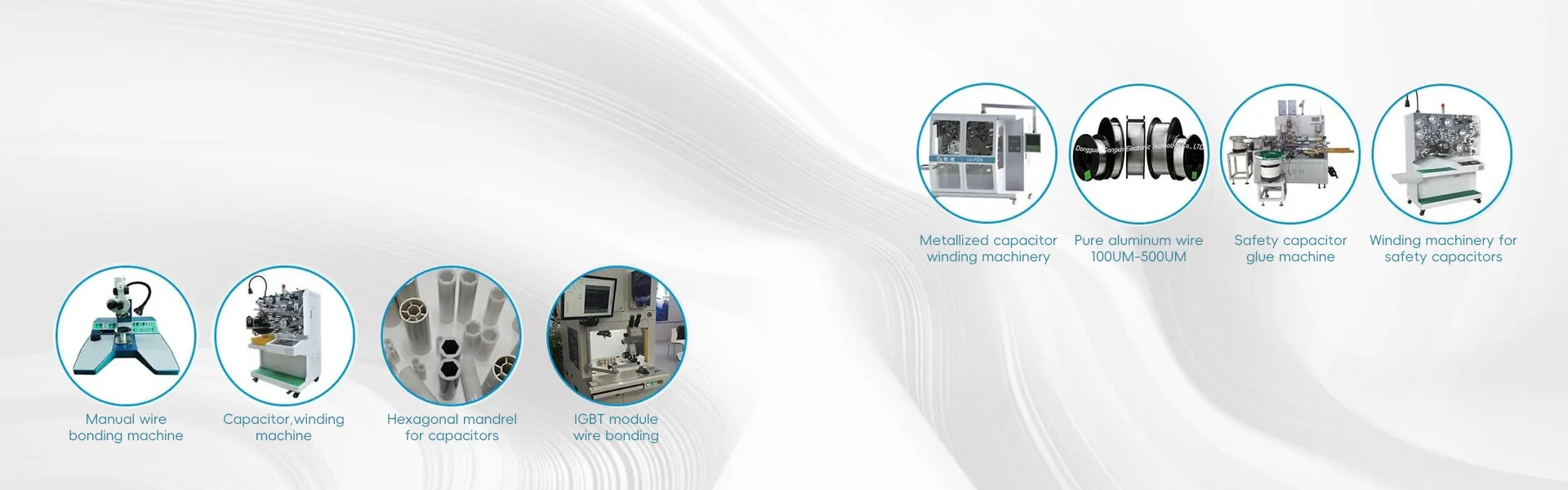
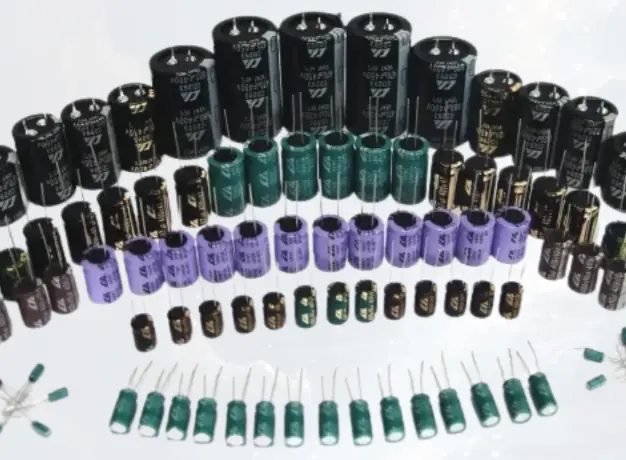
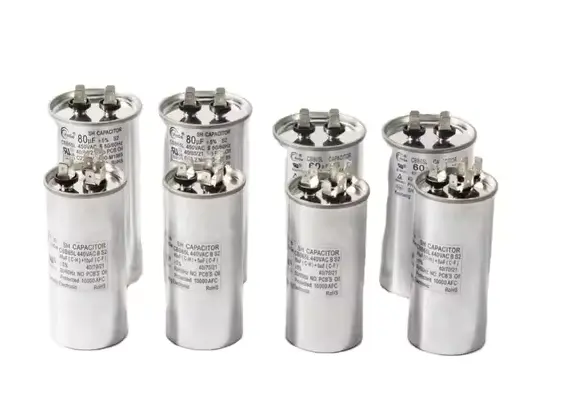
Metallized film capacitor winding stands at the very intersection of material science and mechanical precision. It is the heartbeat of production lines that power everything from electric vehicles to renewable energy grids. This article dives deep into the technical nuances of the winding process, exploring how advanced machinery, material selection, and rigorous quality control come together to create components that define reliability. We will look at the critical role of automatic systems, the behavior of dielectric films under stress, and practical solutions for increasing yield in a competitive market.
Why is Precision Winding Critical in Metallized Film Capacitor Manufacturing?
When we talk about the gaosia a capacitor, specifically a film capacitor, precision isn't just a buzzword; it is the difference between a component that lasts for ten years and one that fails in ten minutes. The savili process involves rolling distinct layers of dielectric film and metal electrodes into a tight, compact cylinder or flattened shape. If the savili is even a fraction of a millimeter off, or if the tension varies slightly, it can create air gaps. These gaps lead to corona discharge, which eats away at the dielectric material and causes premature failure.
For an engineer like you, who likely deals with high-stakes assembly operations, you know that the core of this precision lies in the machinery parts. The mandrel—the central rod around which the capacitor is wound—must be perfectly concentric. At Dongxin, we see this daily. A capacitor wound on a sub-par mandrel will have uneven internal stress. Over time, especially in energy storage applications where current fluctuates, these internal stresses cause the layers to shift. This shifting alters the capacitance and increases the Equivalent Series Resistance (ESR), leading to unwanted heating.
Furthermore, precision savili Mautinoa o le metallized film layers align perfectly. In metallized film capacitor designs, the "offset" or margin is crucial for the subsequent metal spraying process. If the winding machines do not maintain a strict overlap tolerance, the connection between the electrode and the external leads will be weak. A weak connection means higher resistance and a significant drop in lelei. This is why sourcing high-quality savili components is not just a purchase; it is an investment in the final Lelei Puleaina of your product.
How Does Automatic Winding Machine Technology Revolutionize Efficiency?
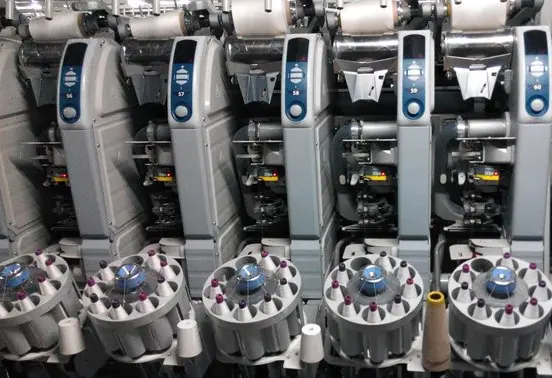
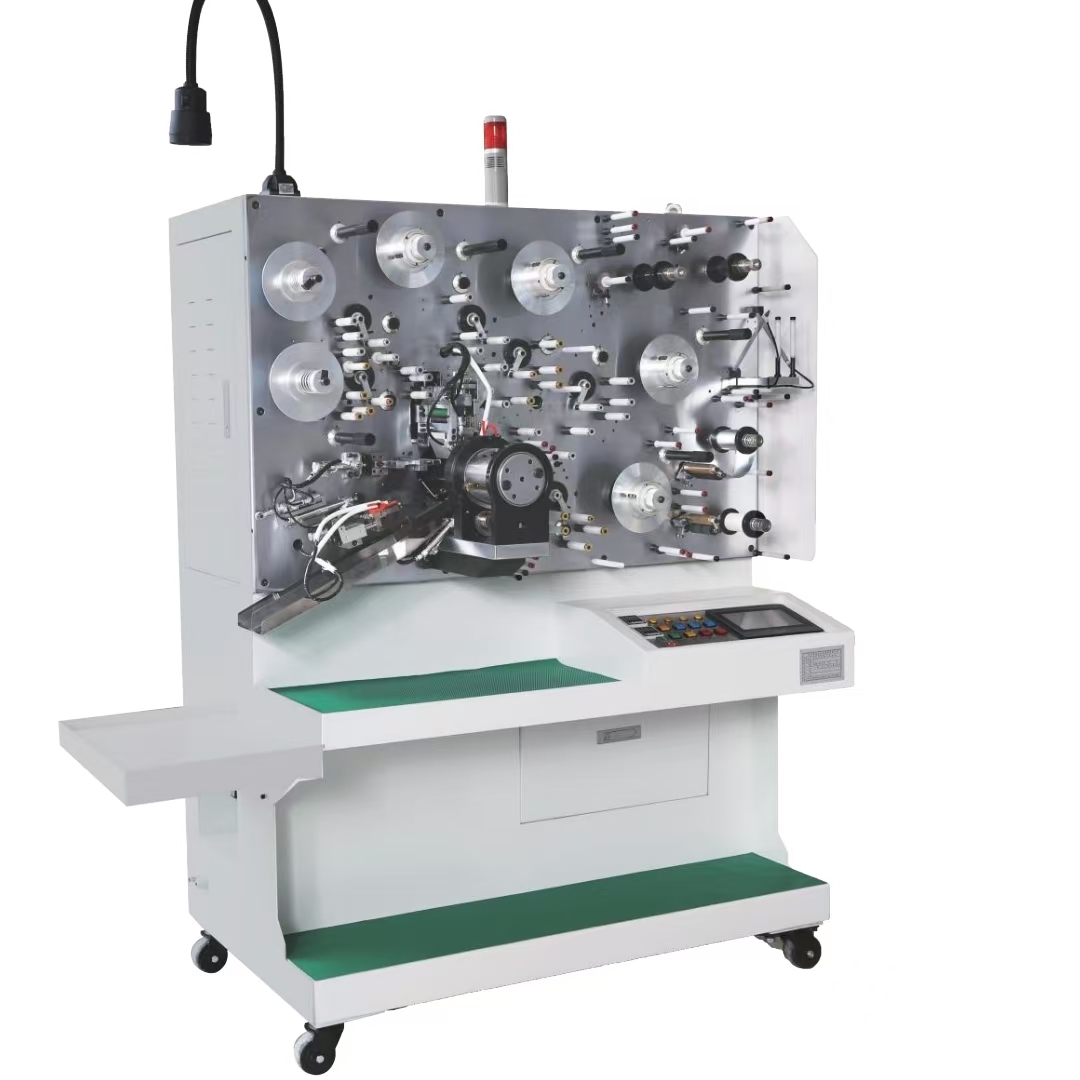
Gone are the days when manual intervention was the norm in capacitor production. The modern automatic winding machine has completely transformed the landscape. These machines are designed to handle delicate films at high speeds without tearing or stretching them. Automatic systems utilize advanced servo motors and sensors to monitor tension in real-time. If the polypropylene film begins to stretch, the machine adjusts the torque instantly. This dynamic response is vital because film capacitor manufacturing often deals with materials that are only a few microns thick.
Le lelei gained from automatic production is measurable. A high-end automatic winding machine can produce thousands of elements per hour with identical characteristics. This consistency is something manual processes simply cannot achieve. For a tagata gaosi, this means fewer rejects and a lower cost per unit. But it is not just about speed; it is about data. Modern machines log every parameter of the savili process. If a batch of capacitors fails testing later, you can trace it back to the exact winding torque and speed used, allowing for rapid troubleshooting.
We also see a massive reduction in contamination. Human hands are sources of oils and dust, which are enemies of high voltage insulation. By automating the Faiaoga, specifically the handling of the metallized film, we ensure that the internal environment of the capacitor remains pristine. This cleanliness is directly linked to the MFsitaga of the final component, allowing it to withstand harsh operating environments.
What Role Does Polypropylene Film Play in High-Voltage Applications?
Polypropylene is arguably the superstar of dielectric film materials. When we compare it to polyester pe polycarbonate, polypropylene film offers exceptionally low dielectric losses. This makes it the material of choice for ac applications and high-frequency circuits. In the context of metallized film capacitor winding, handling polypropylene requires specific expertise. It is a slick material, prone to slipping (telescoping) if the winding tension is not perfectly calibrated.
However, the benefits outweigh the processing challenges. Polypropylene has a self-healing capability that is unmatched. If a voltage spike creates a micro-short in the metal layer, the heat generated instantly vaporizes the metal around the fault, isolating it. This prevents a catastrophic failure of the entire capacitor. Mo power capacitor applications, such as those in grid-tie inverters or industrial drives, this safety feature is non-negotiable.
Here is a quick comparison of common film materials we encounter:
| Foliga | Polypropylene (PP) | Polyester (PET) |
| Dielectric Loss | Maualalo maualalo | Feololo |
| Temperature Stability | Good (up to ~105°C) | Excellent (up to ~125°C) |
| Self-Healing | Sili ona lelei | Good |
| Tau | Feololo | Maualalo |
| Application | High Voltage, AC, Pulse | DC Blocking, General Purpose |
Choosing the right tagata 'ai for your raw film is critical. The surface roughness of the polypropylene affects how well the alumini pe zinc metallization adheres. If the adhesion is poor, the high-speed savili process can strip the metal off, rendering the capacitor useless.
Can High Speed Production Maintain Quality in Film Capacitor Assembly?
There is always a tug-of-war between high speed production and maintaining rigorous Lelei Puleaina. In film capacitor assembly, running the winding machines too fast can introduce air entrapment. Air is compressible; the plastic film is not. When a tightly wound capacitor with trapped air goes through heat treatment, the air expands, deforming the capacitor. To combat this, modern machines often use pressure rollers that squeeze out air as the film capacitor is being wound.
Ae ui i lea, high speed also generates friction static. Metallized film is essentially a giant static generator when unspooled rapidly. Static electricity attracts dust particles. A single dust particle wound into the active area of a high-voltage capacitor acts as a stress concentrator, leading to breakdown. Therefore, high quality manufacturing environments must employ active static elimination bars right at the winding head.
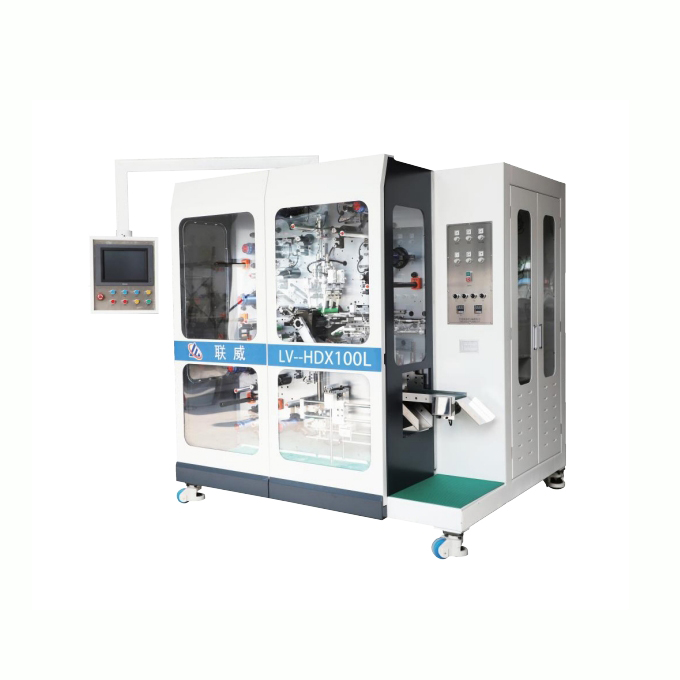
At Dongxin, we emphasize that the key to mafai speed without sacrificing quality lies in the precision of the consumables. The standard mandrel holder for capacitor or battery winding machine needs to possess high stiffness. If the mandrel vibrates at high RPMs, the film tracks poorly. Our R & d focuses on creating winding needles and mandrels using materials like tungsten carbide, which resist deflection even under the high tension required for high-speed winding.
How Do Vacuum and Aluminum Metal Layers Enhance Performance?
The magic of a metallized film capacitor lies in the metallization itself. This process involves evaporating metal, usually alumini or a zinc-aluminum alloy, onto the film in a deep vacuum chamber. The layer is incredibly thin—measured in angstroms. This thinness is what allows for the self-healing property mentioned earlier. If we used a thick foil, like in older designs, a short circuit would cause the foil to melt and weld layers together, destroying the unit.
Vacuum technology ensures the metal is deposited evenly across the width of the film. Variations in thickness can cause "hot spots" where current density becomes too high. For high-performance eletise, the uniformity of this layer dictates the pulse handling capability. We often see alumini used for its conductivity and cost-effectiveness, while zinc is added to improve resistance to oxidation and corrosion, especially at the contact edges.
When savili these films, the machine must handle the edges carefully. The "heavy edge" or reinforced edge is a thicker band of metal deposited at the side of the film to ensure a robust connection with the spray metal (schooping). If the winding machines misalign this heavy edge, the connection resistance shoots up. This highlights why your choice of automatic winding equipment and the precision of the guides feeding the film are so vital to the final performance o le capacitor.
What are the Challenges in Winding MPP and Dielectric Films?
MPP (Metallized Polypropylene) films present unique challenges. Because polypropylene is soft, it is sensitive to mechanical crushing. If the savili tension is too high, the inner layers of the capacitor can buckle, damaging the metallization. This is known as "telescoping" or "starring." On the other hand, if the winding is too loose, the capacitor will have a low mechanical resonance frequency, making it buzz or sing during operation, and its capacitance will drift over time.
Another challenge is the "film shrinkage" phenomenon. During the heat treatment (annealing) phase that follows savili, o le dielectric film shrinks. A skilled tagata gaosi anticipates this. We design the savili tension profile to relax slightly as the diameter increases. This creates a stable structure that accommodates the shrinkage without crushing the core. This level of process control is what separates a wholesale commodity product from a high-reliability component suitable for automotive use.
Ma le isi, o le width of the film matters. Narrow films are harder to track straight. We produce specialized Uaea Talia and film guides that gently constrain the material path. Using polished ceramic or coated metal guides reduces friction, ensuring the MPP film glides into the roll without scratching the delicate metal surface. Scratches are fatal; they reduce the effective surface area of the electrode, dropping the capacitance.
Why is Tension Control Vital to Reduce Stress in the Capacitor Production Line?
Tension is the unseen force that dictates the life of a capacitor. In a capacitor production line, maintaining constant tension is not enough; you need tapered tension. As the roll grows larger, the tension should decrease. If you wind the outer layers as tightly as the inner ones, the compressive force on the center becomes immense. This can crush the mandrel or deform the plastic core, leading to internal short circuits.
To reduce this risk, advanced automatic winding machines utilize closed-loop tension systems. These systems measure the actual tension on the film hundreds of times a second and adjust the motor torque instantly. This prevents transient tension spikes that occur when the machine accelerates or decelerates. For a film capacitor, stable tension ensures that the dielectric material is not thinned out by stretching, which would dangerously lower its breakdown voltage.
We often work with clients to upgrade their existing lines with better tensioning components. A high-quality tensioner can breathe new life into an older machine, improving the Lelei Puleaina stats significantly. It is a cost-effective way to enhance production capabilities without buying a completely new fleet of machines.
How Does Spray Metalizing with Zinc Improve Contact Reliability?
After savili, the ends of the capacitor roll are sprayed with molten metal to create electrical contacts. This process, often called "schooping," typically uses zinc or a zinc-tin alloy. Zinc is preferred because it bonds aggressively with the metallized edge of the film. However, it is a violent process. High-velocity molten metal particles slam into the delicate film edges.
Le lelei o le savili directly impacts this stage. If the savili is loose, the spray metal penetrates deep into the layers, causing short circuits. If the winding is too tight or uneven (offset errors), the zinc won't grab enough surface area, leading to a high-resistance joint. High resistance at this contact point creates heat, which is the number one killer of power capacitors.
To ensure the best connection, we recommend using precision winding machine parts. Le stainless steel winding mandrel set end ensures the roll face is perfectly flat. A flat face allows the spray gun to deposit an even layer of zinc, creating a robust terminal that can handle high surge currents without blowing open.
Are Multilayer Designs Suitable for Modern Power Capacitor Needs?
Multilayer film capacitors are becoming increasingly popular for applications requiring high energy density in a small footprint. Unlike the traditional wound "jelly roll" style, these are often wound on large wheels and then cut into blocks, or wound as flattened rolls. This stacked construction minimizes inductance, making them talafeagai for high-frequency switching applications like IGBT snubbers in electric vehicles.
Producing multilayer designs requires a capacitor manufacturing process with incredibly tight tolerances. The registration between layers must be exact. If the alternating positive and negative layers drift by even a fraction of a millimeter, the breakdown voltage drops drastically. Automatic machines equipped with optical edge alignment systems are essential here. They steer the films to align the metallized margins perfectly.
These designs also excel in thermal management. The flat shape provides a better surface area for cooling compared to a round cylinder. This allows the power capacitor to run cooler, extending its operational life. For modern eletise where space is at a premium, the high packing density of multilayer film technology is a massive advantage.
How Can Manufacturers Ensure High Efficiency and Quality Control?
Ausia high efficiency i totonu capacitor production is a holistic effort. It starts with the raw material inspection and ends with the final electrical test. But the bottleneck is often the savili stage. To optimize this, manufacturers should focus on predictive maintenance of their machinery. Worn bearings, grooved guide rollers, or a bent mandrel can silently ruin yield rates for weeks before being detected.
Quality control should be integrated into the automatic winding machine itself. Modern systems can perform "in-process" testing, checking for shorts or clearing faults (self-healing events) while the capacitor is still being wound. If a unit has too many faults, the machine rejects it immediately, saving the cost of further processing like spraying and potting.
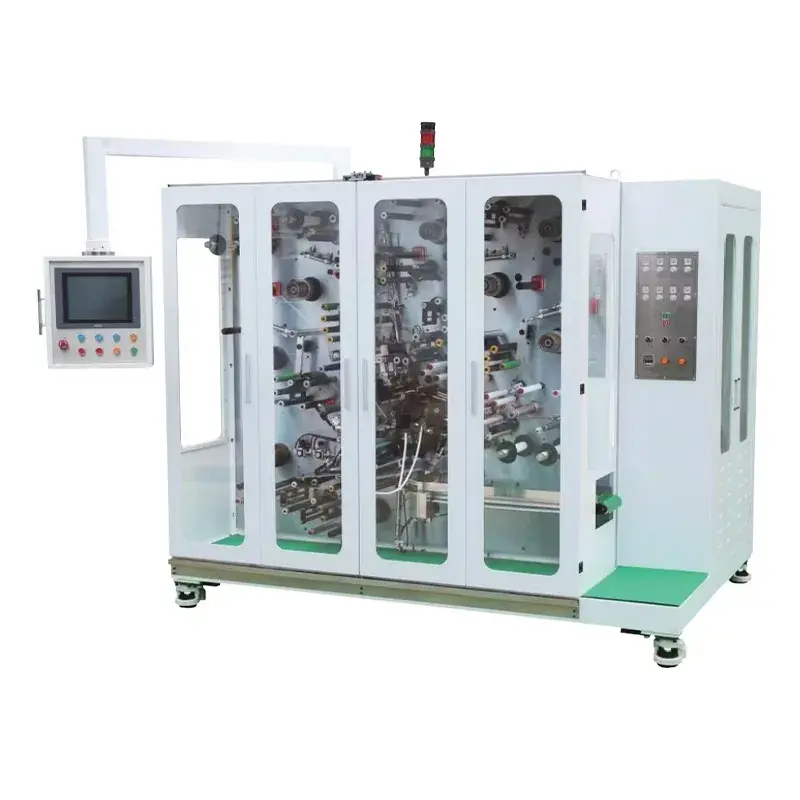
Partnering with a specialized tagata 'ai like Dongxin for your spare parts and custom tooling helps maintain this efficiency. We understand that a standardized part doesn't always fit a unique production need. Custom-designed winding machine parts can resolve specific issues like film scratching or telescoping, directly boosting your "good parts" output. It is about using our advance machining capabilities to solve your specific floor challenges.
In conclusion, the world of metallized film capacitor winding is complex but fascinating. It is a field where matuā saʻo engineering meets electrical theory. By leveraging automatic technologies, understanding material behaviors like polypropylene shrinkage, and maintaining rigorous machine health, you can produce capacitors that drive the future of technology.
Autu Auta
- O le saʻo o le tulaga o le paʻu: Even microscopic errors in mandrel concentricity or winding tension can lead to premature capacitor failure.
- Automation Wins: Automatic winding machines provide the speed, data logging, and tension control necessary for consistent high-quality production.
- Mataupu Taua: Polypropylene film offers superior self-healing and low loss properties, making it ideal for high-voltage and AC applications.
- Tension Control: Implementing tapered tension profiles reduces internal stress and prevents defects like telescoping or core crushing.
- Cleanliness is Critical: Static elimination and automated handling reduce contamination, which is a primary cause of dielectric breakdown.
- Robust Connections: Precision winding ensures flat roll edges, allowing for effective zinc spray metalizing and reliable high-current contacts.
- Partner for Success: Utilizing high-precision, custom-manufactured consumables (mandrels, guides) drastically improves machine uptime and yield.