Welcome to the complex world of making essential electronic parts. Today, we will explore how different materials shape modern energy units. A single capacitor might seem small, but it holds massive power. It is worth reading to understand how tiny manufacturing details impact massive industrial systems. Every capacitor built must meet strict standards. Without a good capacitor, systems fail.
In today’s hyper-connected industrial landscape, every single machine depends on flawless power delivery. Engineers globally face immense pressure to keep assembly lines running smoothly. Unplanned downtime is incredibly expensive, often costing thousands of dollars per minute. By understanding the core mechanics of these tiny blocks, factory heads can make smarter purchasing choices. The primary goal is always a low total cost of ownership. When you choose a superior component, your entire board benefits from unmatched dependability.
Furthermore, as renewable energy and automation dominate the modern market, the demand for high-grade passive devices has skyrocketed. We see this firsthand in our specialized manufacturing facility. Our B2B clients demand perfection. They understand that a tool failure results in disastrous production bottlenecks. We utilize cutting-edge micro-machining techniques to craft the consumable tools that build these devices. Every pin, every blade, and every rolling spindle is measured to the exact micron.
1. How Does the Manufacturing Process Shape Capacitor Production?
Building a reliable energy storage device starts with a precise manufacturing process. As a passive electronic part, a capacitor stores energy in an electric field. It essentially has two conductive plates that are separated by a dielectric. The way we build it changes how the capacitor performs in the real world.
For example, when making these wound units, we take materials like plastic and thin metal, and then they are wound together tightly. The core of the capacitor must be perfect. Any flaw ruins the electrical energy capability of the capacitor. We ensure every capacitor passes through a strict check. A single capacitor can make or break a board. Each capacitor is treated with care.
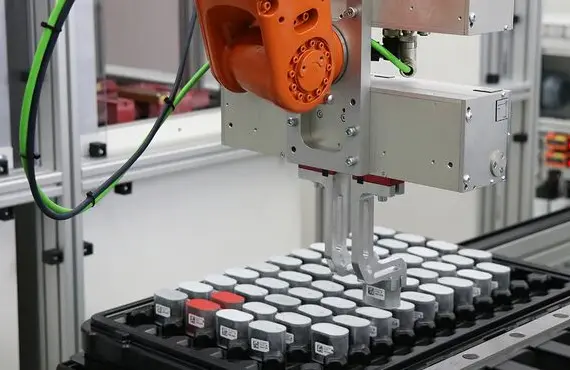
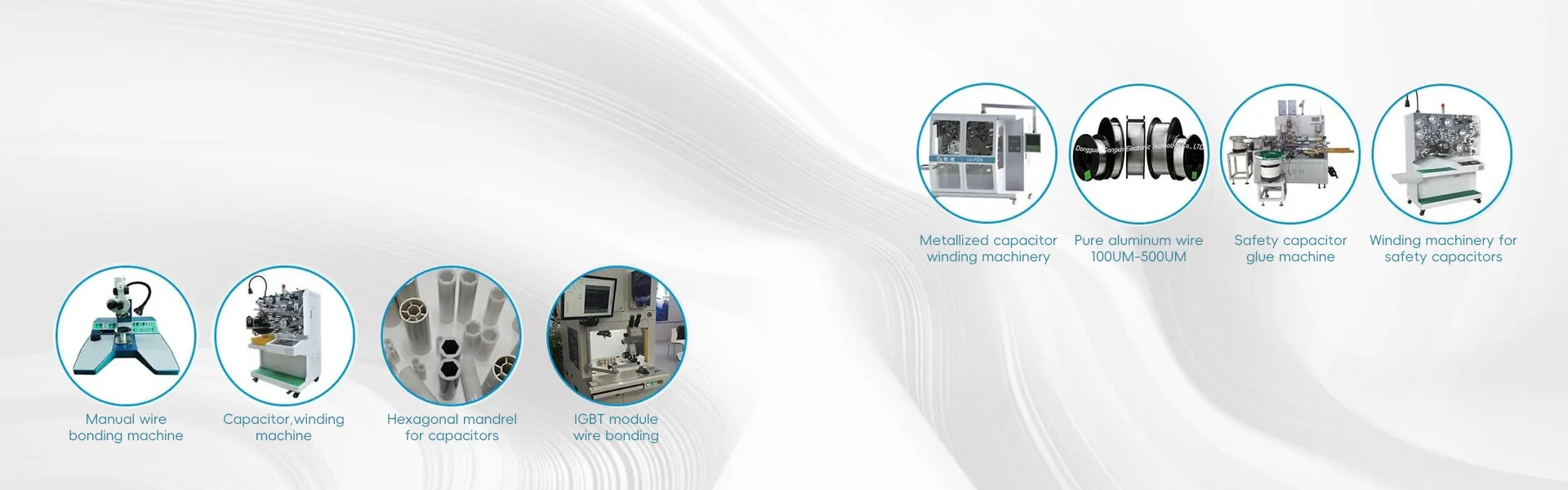
Achieving this level of perfection requires highly advanced CNC capabilities. Tools made from incredibly hard tungsten carbide shape the parts. For instance, using a highly accurate Creole detantè mandrin pou CAPACITOR oswa machin likidasyon batri guarantees that the internal layers never shift during rapid spinning. If the center rod shakes even a fraction of a millimeter, the entire roll becomes useless trash. Process engineers know that consistency is everything. You cannot have one batch perform beautifully and the next batch fail prematurely. To prevent this, our R&D teams constantly evaluate the physical wear on our winding tools. We analyze the exact friction coefficients and adjust our polishing methods accordingly. This ensures that the delicate plastic films glide onto the spindle effortlessly, without any micro-tears or static buildup.
2. What Role Does the Dielectric Play in a High Voltage Capacitor?
The insulating material that separates the plates is called the dielectric. It plays a crucial role inside every capacitor. A strong dielectric material prevents short circuits when the capacitor faces immense electrical stress. In a high voltage system, the dielectric properties of the capacitor must be top-notch.
Whether typically made of plastic or ceramic, forming the dielectric correctly dictates the high dielectric strength needed. A voltage capacitor relies entirely on this barrier to stop current from jumping across the capacitor. The right dielectric thickness ensures the capacitor can handle the load safely.
When working with immense power grids or electric vehicle motors, the separator takes a beating from heat. As temperatures rise, cheap plastics melt or deform. We use materials tested rigorously in our labs to guarantee they stay solid. The thermal dynamics of a tightly wound cylinder are complex. Heat gets trapped in the center. If the barrier material degrades, a thermal runaway event can occur, which is a worst-case scenario for any hardware designer.
| Material Type | Typical Max Temperature | Primary Benefit |
| Standard Polypropylene | 85°C | Excellent frequency response |
| High-Temp Polypropylene | 105°C | Better thermal stability |
| Specialized Resins | 125°C+ | Automotive under-hood use |
To combat thermal stress, the industry has developed strict grading systems for insulation. Different grades are assigned based on their ability to withstand continuous thermal loads. For a buyer in Germany or the USA, receiving components with fully certified data sheets is mandatory. They need to know exactly how the unit will behave at high heat over a ten-year lifespan.
3. Why Are Film Capacitors Essential for High-Voltage Circuits?
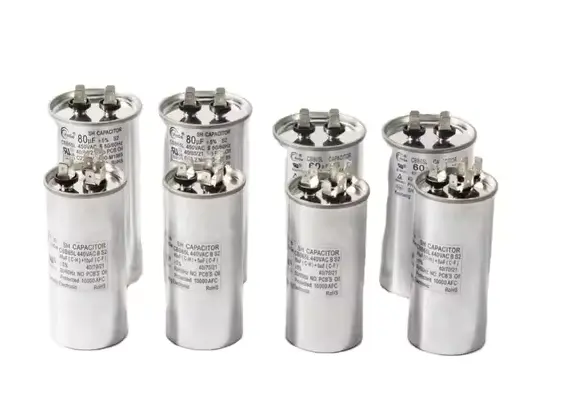
For heavy-duty jobs, film capacitors are amazing. They are non-polarized capacitors, making them perfect for ac circuits. Manufacturers often use polypropylene for the dielectric film inside the capacitor because of its high insulation and low loss.
These capacitors are used in a variety of applications including grid and motor setups. Because the capacitor withstands high-voltage spikes so well, engineers trust them. The capacitor offers great cost-effectiveness and reliable performance when you need to avoid catastrophic failures.
One of the greatest features of this design is self-healing. If a microscopic fault occurs, the metallic layer vaporizes instantly, clearing the fault without stopping the machine. To build these, factories utilize a Likidasyon machin pou kondansateur fim metalize, ensuring the metallic ribbon aligns perfectly without tearing. The margin of error here is practically zero. The offset between the alternating sheets must be maintained uniformly so that the end-spray process can create a solid electrical contact. If the alignment wanders, the resistance spikes, creating localized hot spots. These hot spots will eventually burn through the outer casing, leading to a catastrophic system halt. By investing in top-tier rolling machinery, factories eliminate this alignment drift entirely.
4. How Do We Etch Aluminum Foil for Aluminum Electrolytic Capacitors?
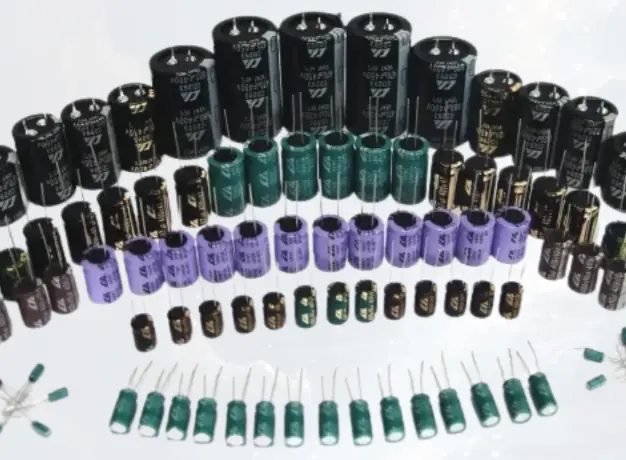
To get higher capacitance in a capacitor, we must increase the surface area of the electrode. In aluminum electrolytic manufacturing, we take bare aluminum foil and etch it using special chemicals. This creates millions of microscopic pits inside the capacitor.
After we etch the foil for the capacitor, we build a thin layer of aluminum oxide on it. This aluminum oxide acts as the dielectric for the capacitor. Then, we use a liquid electrolyte to act as the true cathode in the capacitor. The anode and cathode foils are rolled up, ensuring excellent conductivity and high capacitance value for the aluminum electrolytic capacitors.
The chemical bath used to treat the metallic sheets is highly controlled. If the liquid is too acidic, it eats away too much metal, weakening the structure. If it is too weak, the pits do not form properly. A perfectly treated sheet allows the final component to store massive amounts of charge in a tiny cylindrical can. Following the acid bath, the sheets must be washed meticulously with ultra-pure water. Even a microscopic trace of residual acid or chloride ions will cause corrosion years down the line. This hidden corrosion creates a buildup of internal gas. Eventually, the pressure forces the safety vent to burst open, leaking fluids onto the precious circuit board. Strict washing protocols are the invisible heroes of long-lasting hardware.
5. What Makes Tantalum Capacitors Ideal for Compact Electronics?
When space is tight, tantalum capacitors shine. To make this capacitor, we sinter tantalum powder into a tiny pellet. This creates a massive surface area inside a very small capacitor space. The pellet serves as the anode of the capacitor.
We then grow a layer of tantalum pentoxide over it, which is the dielectric of the capacitor. Next, we use a conductive material, often a conductive polymer, to form the cathode of the capacitor. This process delivers incredible energy density, making the capacitor perfect for medical devices and portable electronics.
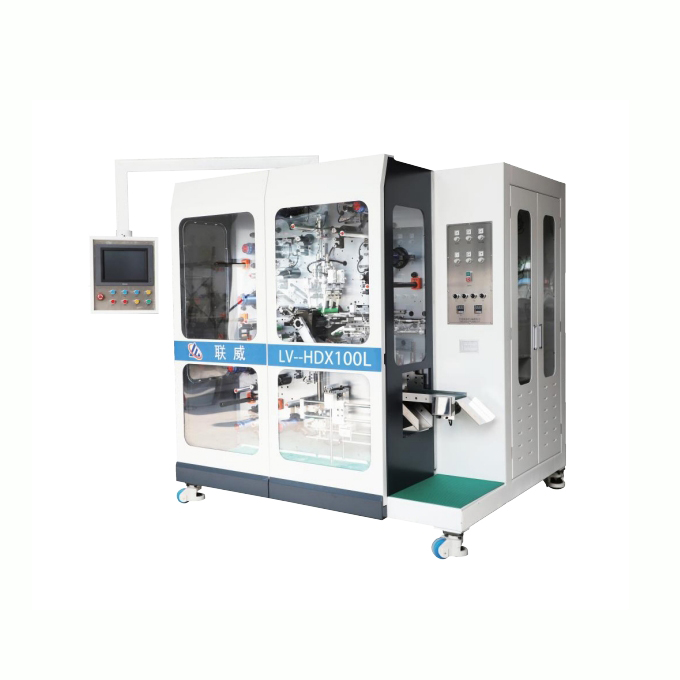
The baking process inside specialized kilns locks the metallic powder into a rigid sponge-like structure. This porous geometry is what gives the unit its incredible storage limit. Aerospace engineers love these parts because they never dry out and offer unparalleled lifespan in orbiting satellites. Because there is no liquid to evaporate, they are immune to the drying-out phenomenon that plagues other designs. This solid-state reliability makes them a favorite in automotive airbags, deep-sea exploration probes, and pacemakers. The raw materials must be incredibly pure, often sourced from highly vetted global suppliers to ensure zero contamination during the pressing phase.
6. How Do Multi-Layer Ceramic Capacitors Handle High-Frequency Needs?
For fast signals, multi-layer ceramic capacitors are the standard. Also known as mlccs, these tiny blocks are built by stacking alternating layers of ceramic and a thin metal electrode inside the capacitor. The internal components of the capacitor are fired in a kiln to create a solid block.
They are essential components in modern electronics. Their low resistance allows the capacitor to filter high-frequency noise beautifully. You will find various types of this capacitor in almost every gadget today.
Think of a modern computer motherboard. It contains thousands of these minuscule blocks. They act as tiny reservoirs, supplying immediate current to microchips exactly when they switch states. Without them, digital signals would collapse into useless static. The sheer volume of these parts required by modern technology is staggering. A single smartphone might contain over a thousand tiny blocks. They are picked and placed by robotic arms at blinding speeds. Therefore, their physical dimensions must be absolutely uniform. If a block is even a fraction of a millimeter too tall, the robotic nozzle will crash, shattering the component and halting the assembly line.
7. Why Is Encapsulation Vital to Protect the Capacitor?
A capacitor is delicate. To keep environmental factors like moisture away from the capacitor, we use strong encapsulation techniques. We typically seal the components of the capacitor using a tough epoxy resin. This protects the internal parts of the capacitor from physical damage and water.
When we seal the capacitor properly, environmental factors cannot ruin the electrical properties. Good encapsulation ensures the overall performance of the capacitor remains stable for years, even in tough conditions like those found in electric vehicles.
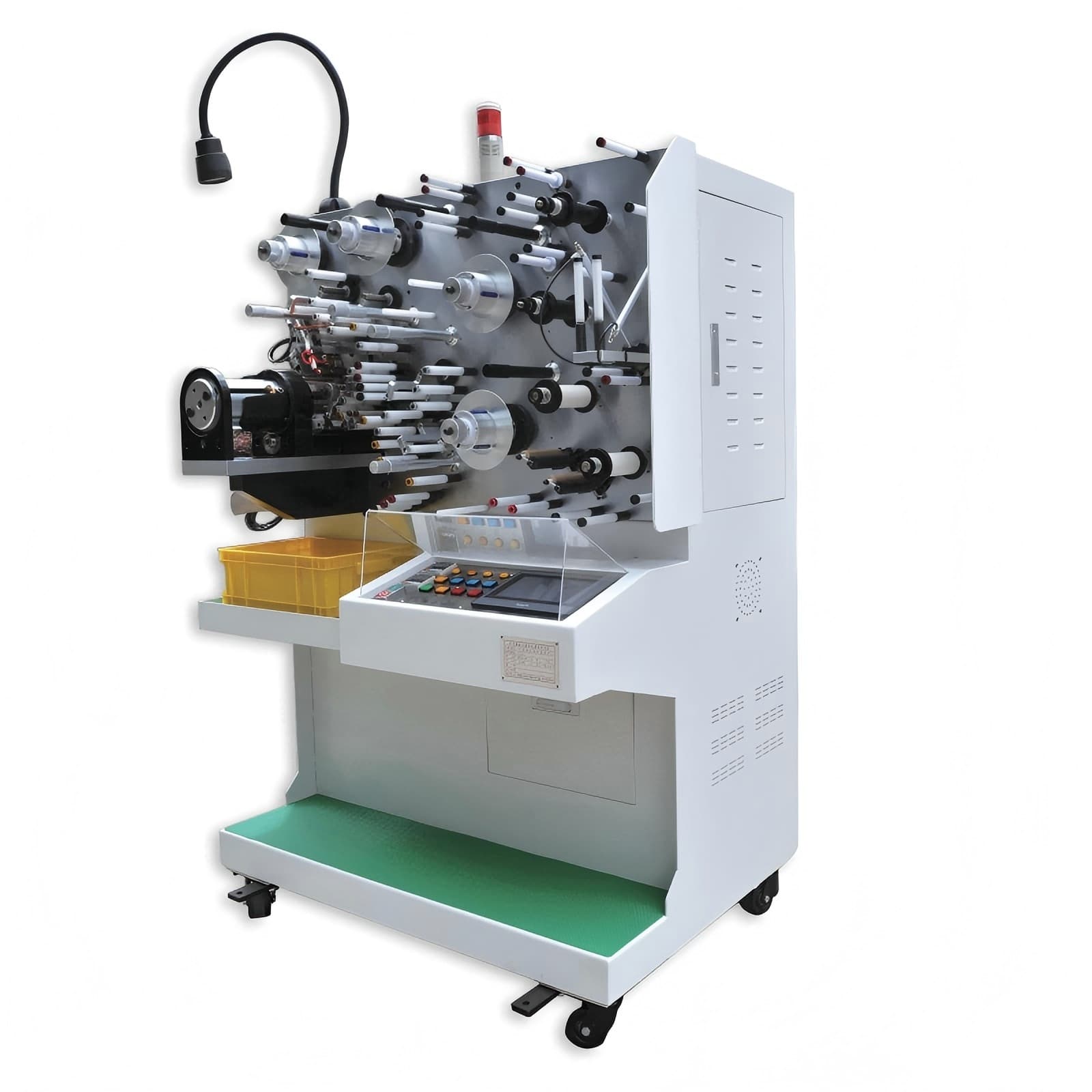
The potting process involves pouring liquid glue into a plastic shell under a vacuum. This pulls out any trapped air bubbles. An air bubble inside the shell could expand when hot, cracking the casing open. By sourcing from a trusted Winding machine parts manufacturer, assembly floors ensure the outer shells are perfectly aligned for this potting phase. Furthermore, the outer casing must be flame retardant. In the rare event of a massive overload, the component must safely shut down without igniting. Regulatory bodies across the globe mandate strict fire-safety testing. We see this commitment to safety as a baseline requirement, not a premium feature.
8. How Do You Select the Right Voltage Rating for Various Applications?
Selecting the right rating for a capacitor is vital for safety. The rated voltage is the maximum continuous dc voltage the capacitor can handle. If you exceed this limit, the dielectric of the capacitor will break down, causing a short circuit.
You must evaluate your specific application requirements carefully before buying a unit. Always choose a unit with a voltage rating comfortably above your system's peak power to ensure long-term reliability for your capacitor.
"Precision in selecting power ratings is the invisible shield protecting your assembly lines from catastrophic failure."
Engineers use a concept called derating. If a system runs at 400 volts, they might pick a component rated for 600 volts. This safety buffer ensures that unexpected power surges do not instantly destroy the board. It is a simple step that drastically lowers total cost of ownership over a decade. Understanding the ripple current rating is equally important. High ripple currents generate internal heat. If you select a unit based solely on its direct current holding capacity, it might fail spectacularly when exposed to fast AC ripples. Always consult the detailed data sheets provided by your technical partners to verify the thermal dissipation limits.
9. What Are the Innovations in Polymer and Resin Insulation?
Modern engineering constantly improves insulation materials for every unit. A new conductive polymer can drastically lower internal resistance in a device. This enhances the conductivity of the whole block, allowing the part to handle ripple currents better.
Advanced resin formulas also expand the safe temperature range for these parts. This is especially important for applications requiring reliable operation in extreme heat or freezing cold, ensuring the component survives.
- Impact Testing: Units are dropped from controlled heights to ensure the outer glue resists shattering.
- Thermal Shock: Blocks are rapidly moved between freezing and boiling environments to test material expansion.
- Endurance Runs: Devices run at max load for thousands of hours to simulate a decade of wear.
Our dedicated R&D teams constantly test new composite blends. By mixing microscopic glass fibers into the outer glue, we can dramatically increase impact resistance. This means if a heavy tool drops on the board during assembly, the fragile core remains entirely unscathed. Additionally, the industry is moving towards greener materials. Phasing out hazardous chemicals in favor of eco-friendly epoxies is a major priority. These new green materials must perform just as well, if not better, than their legacy counterparts. The transition requires extensive validation testing, including thousands of hours in climate chambers simulating harsh tropical humidity and arctic freezes.
10. How Do We Connect the Capacitor for Reliable Electrical Performance?
To connect the capacitor to the external circuit, we attach sturdy leads or terminals to the body. These connections on the block must withstand mechanical vibration and thermal cycling. If a lead on the unit breaks, the whole circuit fails.
In capacitor manufacturing, we use ultrasonic bonding or precision welding for these joints. This guarantees the highest electrical performance for the component and ensures the device will last for decades. Using aStainless Steel Winding Mandrel Set End for Capacitors ensures the edges are perfectly flat, making the welding process absolutely flawless.
Traditional soldering is often insufficient for heavy-duty applications because solder can melt if the component gets too hot. Ultrasonic bonding creates a solid-state metallurgical weld. The metals are scrubbed together at high frequencies until their atoms merge. This creates a joint that is physically stronger than the base metal itself, completely eliminating the risk of a loose connection. By utilizing advanced welding techniques, assembly plants ensure that the power pathways remain secure, no matter how much the vehicle or machine shakes during operation.
Takeaways kle
- Precision Matters: Exacting manufacturing standards ensure parts do not fail under pressure.
- Heat Management: Choosing the right insulation material prevents thermal runaway.
- Self-Healing: Advanced designs allow devices to recover from internal micro-shorts instantly.
- Cleanliness is Crucial: Strict chemical washing prevents slow-acting internal corrosion.
- Derating Protects: Always build in a safety buffer above your system's peak power demands.
- Solid Connections: Ultrasonic welding provides unbreakable joints for critical industrial applications.