In the intricate world of electrical engineering, few components are as ubiquitous or as critical as the capacitor. Whether we are discussing the microscopic circuitry inside a smartphone or the massive power inverters driving an electric vehicle, the capacitor plays a vital role. As a manufacturer of precision Suafa masini technology and component materials, I have seen firsthand that the quality of a capacitor dictates the reliability of the entire system. Engineers like Marcus in the German automotive sector understand that a capacitor is not just a commodity; it is a precision-engineered device designed to store and release energy with exacting timing. This article delves into the mechanics, types, and critical applications of this essential Masini eletise.
What Exactly is a Capacitor and How Does It Function?
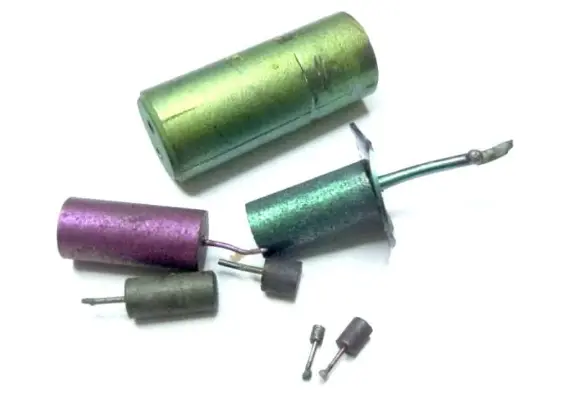
I lona tulaga pito sili ona taua, a capacitor is a passive Masini eletise that stores electrical energy. The structure is elegantly simple: it consists of two conductive plates separated by an insulating material known as a dielectric. These plates, or electrodes, do not touch. When connected to a voltage source, current does not flow through the capacitor in the traditional sense because of the insulation.
Instead, the capacitor accumulates charge. When voltage is applied, electrons accumulate on one plate, making it Ua molia le leaga, while the other plate loses electrons, becoming molia lelei. This creates an malo eletise across the dielectric. This ability to hold a charge allows the capacitor to act as a temporary battery, a filter, or a timing device within a matagaluega. It interacts with voltage and current to stabilize the flow of electricity, ensuring that downstream components receive clean, steady power.
How Does a Capacitor Store Energy Within an Electrical Field?
Unlike a battery, which stores energy chemically, a capacitor stores energy physically within an malo eletise. When a capacitor is charged, an amount of charge ($Q$) builds up on the plates. The energy is stored in the electrostatic field created between the two electrodes. Le dielectric material plays a crucial role here; it resists the flow of current while supporting the electrostatic lines of force.
This mechanism allows a capacitor i charge and discharge extremely quickly. A battery might take hours to recharge, but a capacitor mafai discharge its entire stored charge in a fraction of a second. This property is vital for applications requiring sudden bursts of power, such as in camera flashes or pulsed lasers. The energy storage capability is defined by the physical geometry of the capacitor—specifically, the surface area of the eletono plates and the distance between them.
What is Capacitance and How is it Measured?
Capacitance is the measure of a capacitor's mafaia store an electric charge per unit of voltage. It is measured in farads (F), named after Michael Faraday. However, a single Farad is a massive amount of capacitance. In a practical capacitor, we typically deal with microfarads (µF), nanofarads (nF), or picofarads (pF).
Le capacitance value is determined by three main factors: the surface area of the conductive plates, the distance between the plates, and the permittivity of the dielectric.
$$C = \frac{\epsilon A}{d}$$
Where $C$ is capacitance, $\epsilon$ is the permittivity, $A$ is the area, and $d$ is the distance. Engineers select a capacitor based on the required capacitance range for their specific matagaluega. A high capacitance value means the component can store more charge at a given voltage.
What Are the Common Types of Capacitors Used Today?
Capacitors come in many shapes and materials, each suited for different tasks. The types of capacitors are generally categorized by their dielectric material.
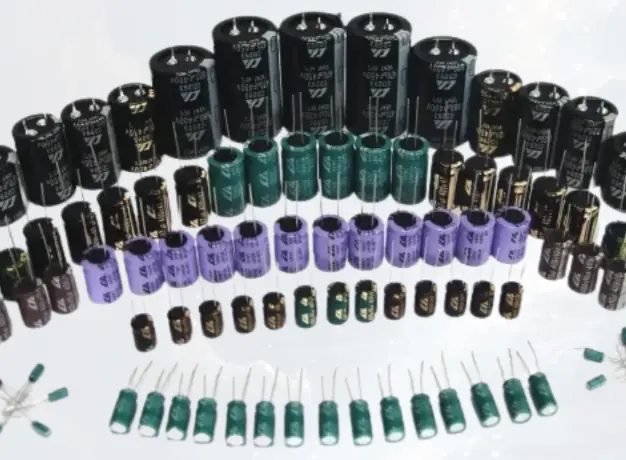
- Ceramic Capacitors: These are non-polarized and offer high frequency stability. They are widely used in Rf (radio frequency) and general-purpose applications. Ceramic capacitors are typically small and inexpensive.
- Electrolytic Capacitors: Known for their high capacitance values, these are polarized (they have a specific positive and negative lead). Electrolytic capacitors are commonly found in power supplies for filtering low-frequency ripple.
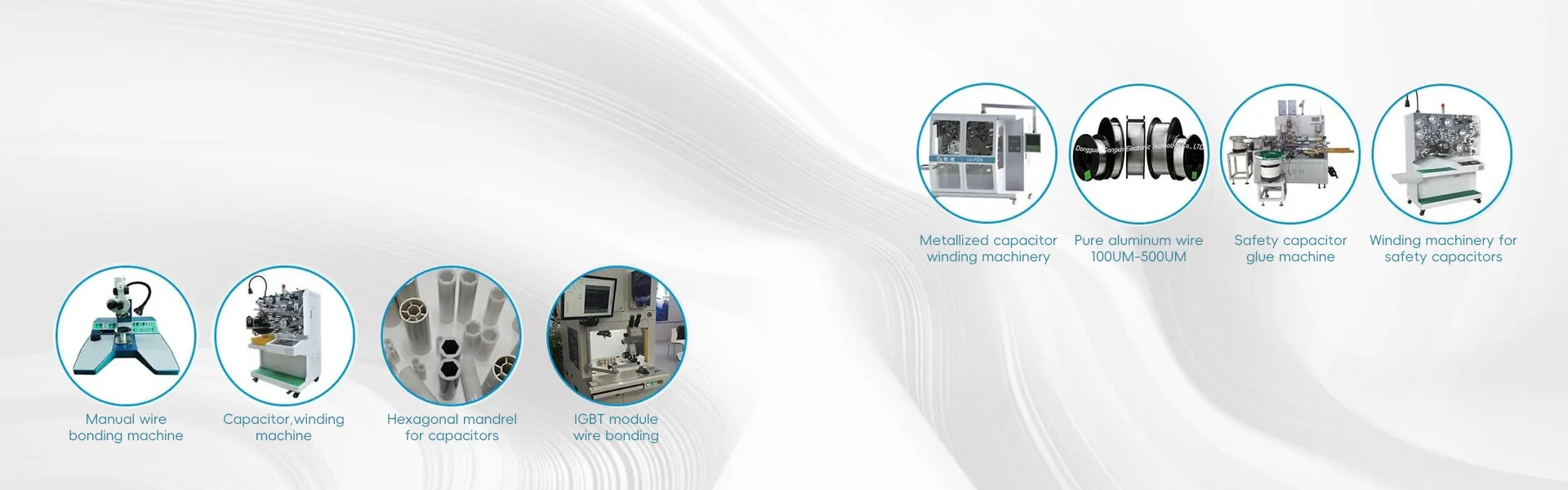
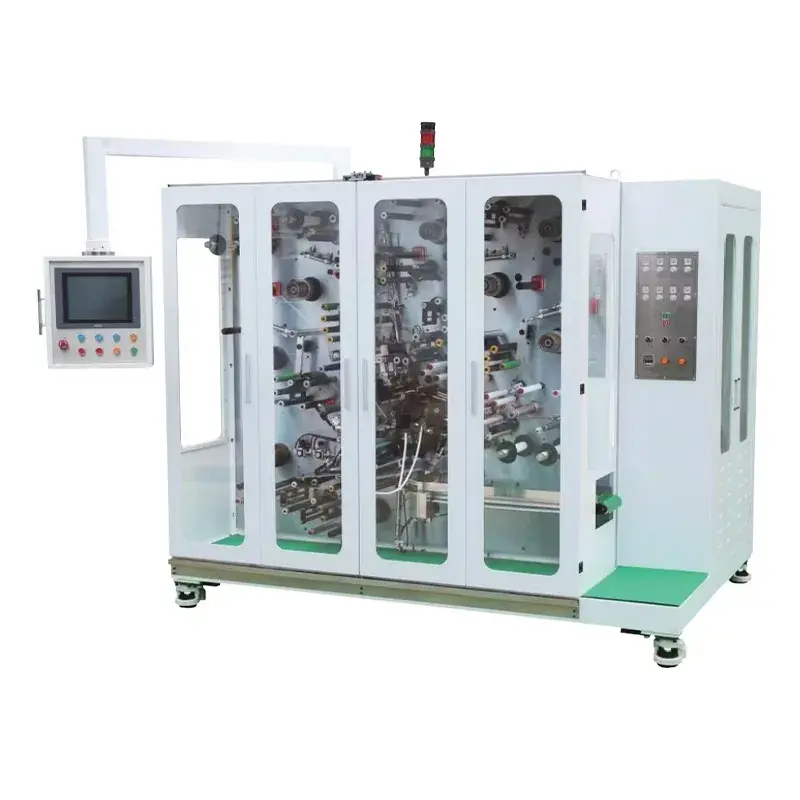
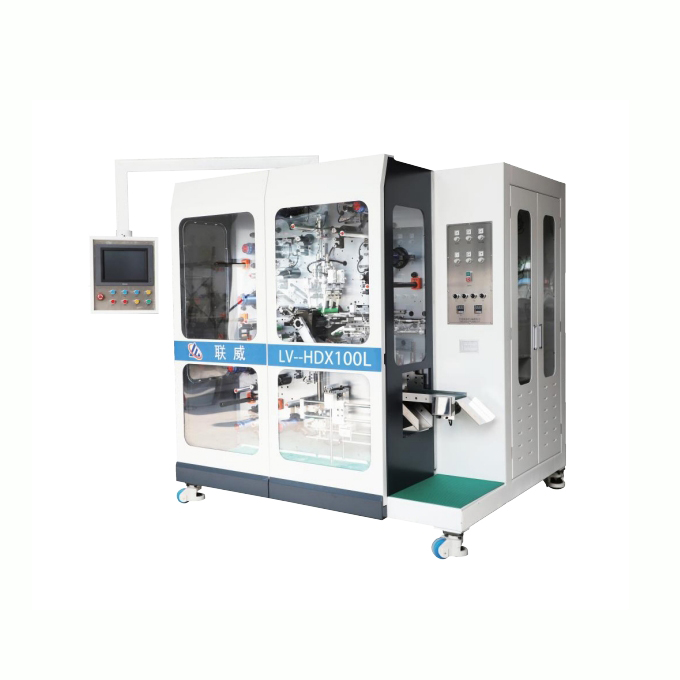
- Film Capacitors: These use plastic films (like polypropylene or polyester) as the dielectric. They are known for reliability and low self-inductance. We often supply the winding machine for metallized film capacitors to manufacturers who require precision in these components.
- Supercapacitors: These bridge the gap between capacitors and batteries, offering massive storage capacity for energy backup systems.
Why is the Dielectric Material So Critical?
Le dielectric is the heart of the capacitor. It is the non-conductive material separated by an insulator between the plates. The choice of dielectric fuafuaina le voltage rating, temperature stability, and capacitance.
Afai o le voltage across the capacitor becomes too high, the dielectric can break down, allowing current to arc between the plates, destroying the component. Materials like ceramic and plastic film are excellent insulators. In electrolytic capacitors, o le dielectric is a very thin layer of oxide grown on the anode foil. The thinness of this layer allows for high capacitance, but it also limits the voltage. In high-precision manufacturing, ensuring the integrity of the dielectric material during the winding process is paramount. Any defect can lead to early failure.
How Do Capacitors Filter and Stabilize Power Supplies?
In power supplies, o le capacitor acts as a reservoir to stabilize le supply voltage. When converting AC to DC, the output from the rectifier is a pulsating DC voltage. To smooth this out, a large capacitor is placed in parallel with the output.
When the voltage rises, the capacitor is charged, storing energy. When the voltage from the rectifier drops between peaks, the capacitor discharges its stored energy back into the matagaluega, filling in the gaps. This reduces the "ripple" and provides a steady DC output. Electrolytic capacitors are typically used here due to their ability to store large amounts of energy. Without them, sensitive Masini eletises would be subjected to damaging voltage fluctuations.
What is the Role of Coupling and Decoupling in Circuits?
In electrical circuits, capacitors perform two contrasting but equally important roles: coupling and decoupling.
- Coupling Capacitors: These are used to connect two stages of an amplifier. A capacitor blocks DC current but allows AC signals (like audio or radio waves) to pass through. This allows the AC signal to move from one stage to the next while isolating the DC bias settings of each stage.
- Decoupling Capacitors: Also known as bypass capacitors, these are used to remove unwanted DC noise or high-frequency spikes from power lines. They provide a low impedance path to the ground for high-frequency noise, effectively cleaning the power reaching a microchip. Decoupling capacitors act as local energy reserves, supplying instantaneous current when a digital chip switches, preventing voltage dips.
How Are Capacitors Used in High-Power Motor Drives?
In the realm of electric vehicles (EVs) and industrial automation, capacitors play a critical role in motor drives and inverters. The DC Link capacitor is a massive component that sits between the battery (DC) and the inverter (which creates AC for the motor).
These capacitors must handle high current and rapid charge and discharge cycles. They stabilize the DC bus voltage and absorb the regenerative energy coming back from the motor during braking. Film capacitors are preferred here because they can handle high voltages and have a long operational life. We manufacture specific equipment, such as the CBB65 Shoppess Stonding Masini, to produce the robust capacitors required for these high-performance Talosaga.
How Does Manufacturing Precision Affect Capacitor Reliability?
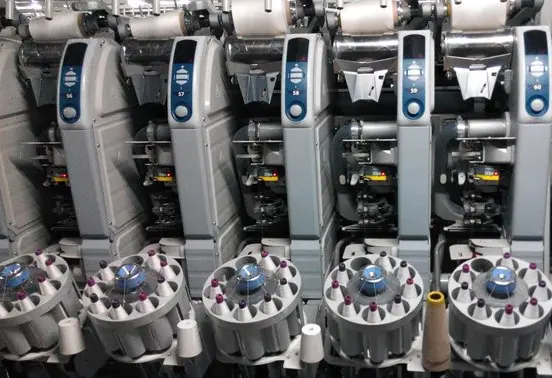
The reliability of a capacitor starts with how it is made. Most high-performance capacitors, particularly film and electrolytic types, are made by winding layers of conductive electrodes ma le dielectric material around a core. This is where precision engineering is vital.
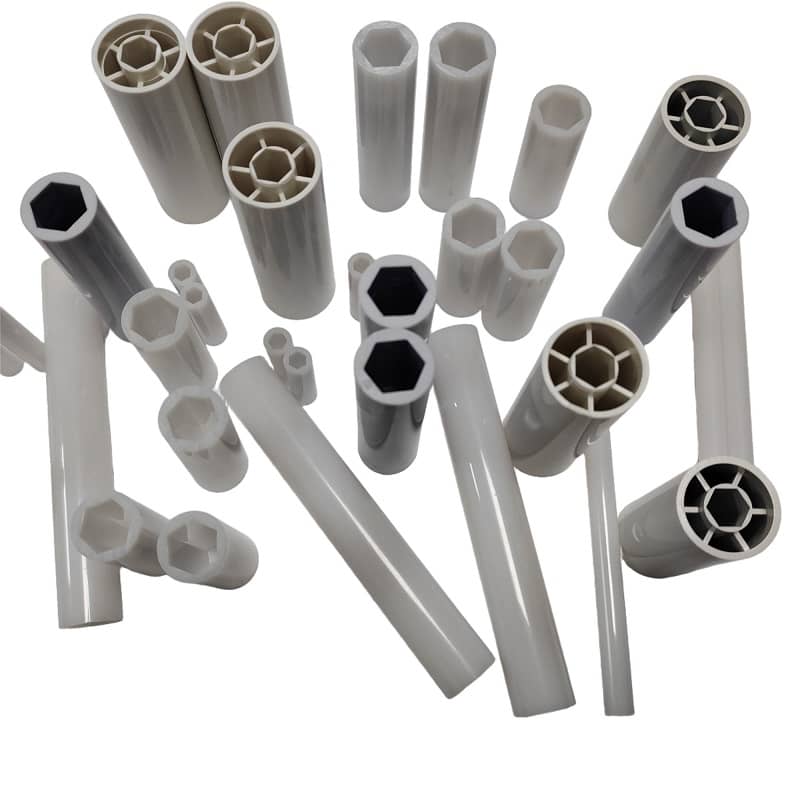
If the winding is too loose, the layers can vibrate, causing mechanical stress and capacitance drift. If the tension is uneven, the dielectric can wrinkle and fail. At Dongxin, we provide components like the Masani Mandrel Puber mo le potu poʻo le paʻu o le paʻu masini to ensure that the core remains perfectly stable during the winding process. Precision winding ensures that the plates separated by a dielectric maintain a constant distance, guaranteeing a stable capacitance value and a long service life.
What Factors Determine the Voltage Rating and Safety?
Uma capacitor has a voltage rating, which is the maximum continuous voltage that can be applied across it without failure. Exceeding this rating can cause the dielectric to puncture, leading to a short circuit.
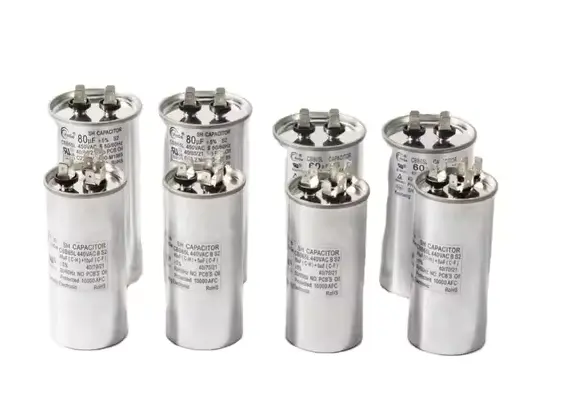
Safety is also a function of the capacitor types. For example, electrolytic capacitors can explode if the voltage polarity is reversed (connecting positive to negative). Film capacitors are generally "self-healing," meaning if a small breakdown occurs, the metallized eletono vaporizes around the fault, isolating it and allowing the capacitor to continue functioning. Understanding these safety margins is essential when designing power circuits pe power factor correction units.
Autu Auta
- Energy Storage: A capacitor stores energy in an malo eletise between two plates separated by a dielectric.
- Capacitance: Measured in Farads, it defines the storage capacity relative to voltage.
- Ava: From sima for high frequency to electrolytic for bulk power, there is a capacitor for every need.
- Circuit Functions: They decouple noise, couple signals, filter power supplies, and correct power factor.
- Manufacturing Matters: Precision winding technology is crucial for producing reliable film capacitors and other types.
- Safety: Always respect the voltage rating and polarity to prevent catastrophic failure in Masini eletise faiga.