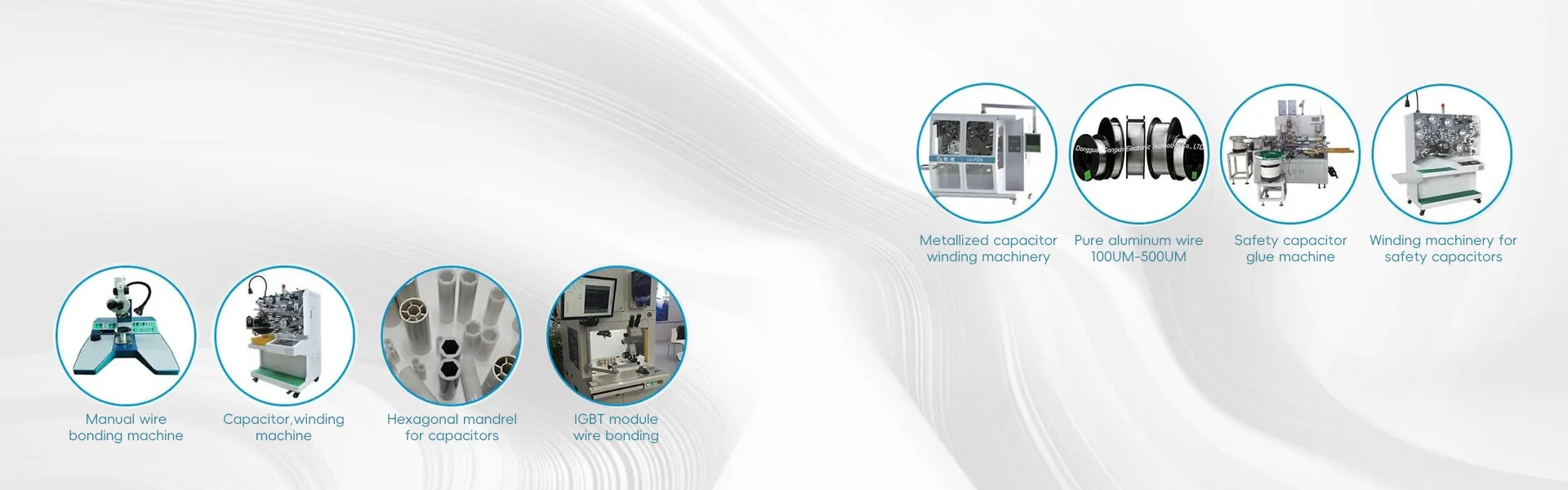
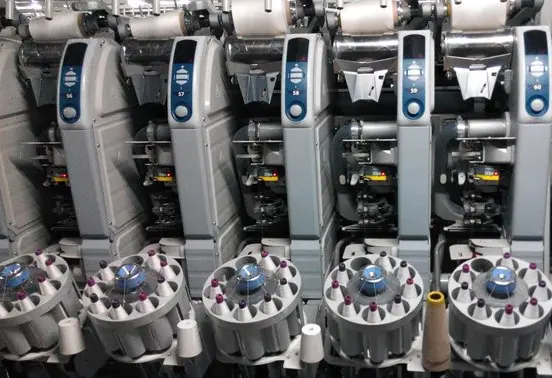
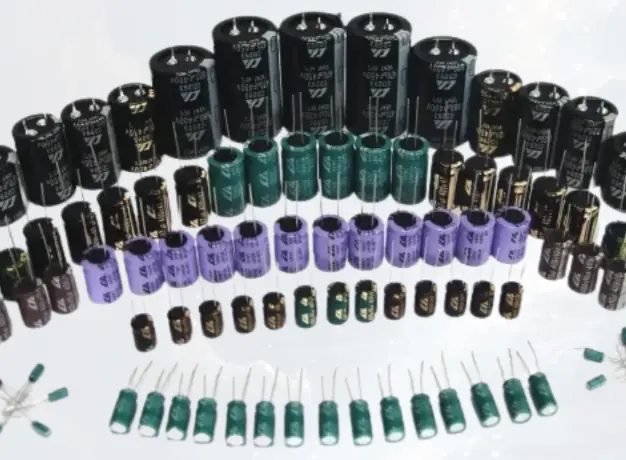
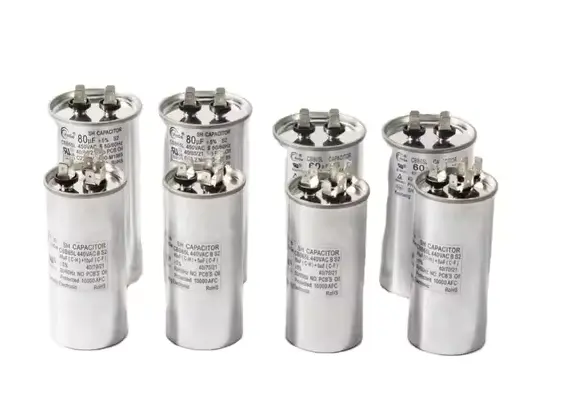
In the high-stakes world of electronic component manufacturing, the difference between a profitable quarter and a production nightmare often comes down to the reliability of your equipment. For engineers and operation managers, understanding the intricacies of the capacitor production line ma le supercapacitor equipment is not just about meeting quotas; it is about defining the quality standard of the final product.
This article explores the critical machinery, from the Suafa masini to final assembly, that drives the modern capacitor manufacturing industry. We will look at how precision components, automatic processes, and rigorous testing integrate to create energy storage solutions that power everything from electric vehicles to industrial grids.
How Does a Modern Capacitor Production Line Define Industrial Efficiency?
A capacitor production line is a complex symphony of synchronized movements. It is not merely a collection of tools; it is a fully integrated system where every masini plays a pivotal role. In a typical gaosia facility, the flow moves from material preparation to savili, malamala stations, Faiaoga, and finally, testing. The efficiency of this line relies heavily on the masini synchronization. If the automatic winding machine operates faster than the assembly machine, bottlenecks occur.
For the tagata gaosi, the goal is seamless integration. We see a shift towards automatic production where the human element is minimized to reduce contamination and handling errors. A masini in this environment must be robust. In Saina, where much of the world's masini faumea is produced, the focus has shifted from pure volume to high-precision vaifofo providers. A production machine today allows for real-time monitoring. Sensors within the masini track the tension of the film, the pressure of the malamala, and the speed of the assembly line.
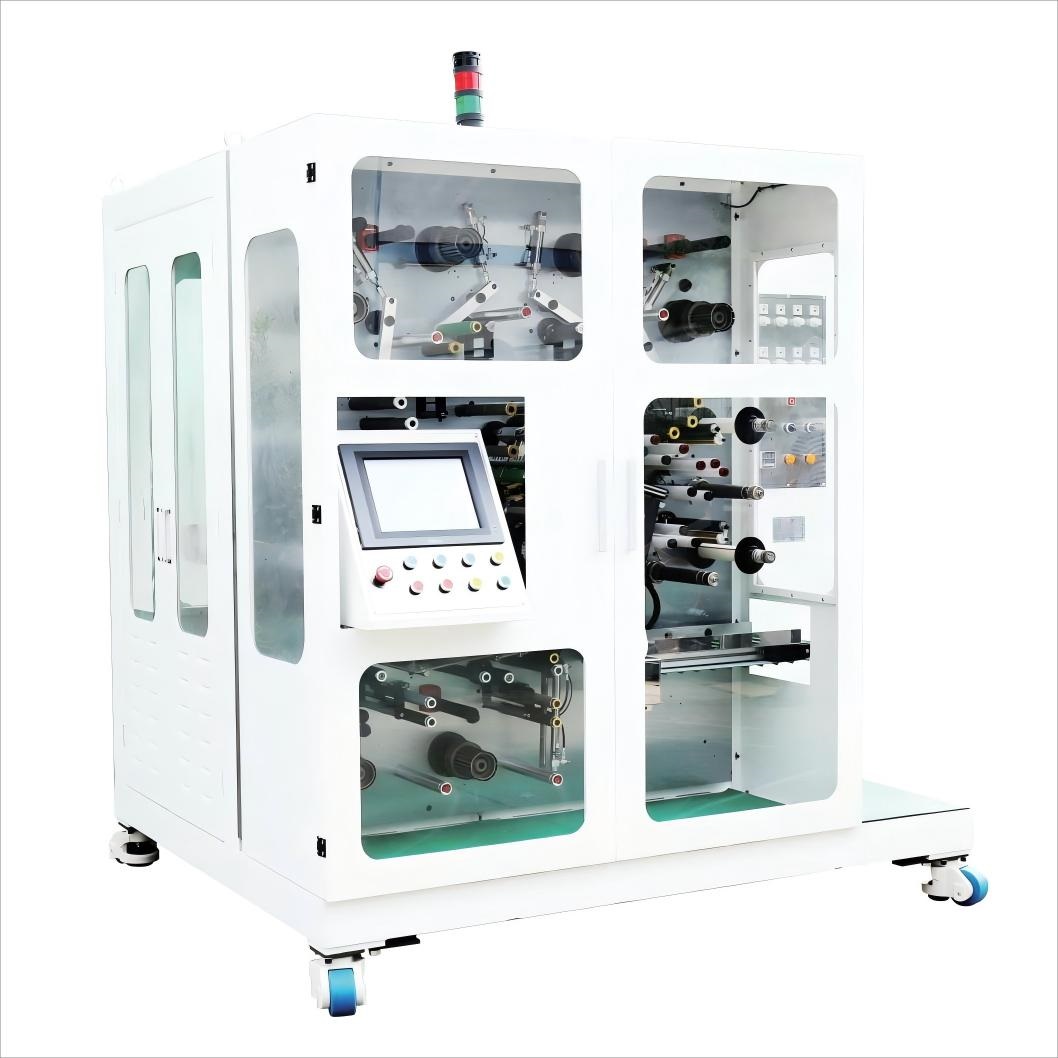
Ma le isi, o le capacitor production line is becoming flexible. A single line might need to switch from producing a film capacitor i le a power capacitor with minimal downtime. This requires masini faumea that uses modular parts. At Dongxin, we see that clients who invest in versatile meafaigaluega can adapt to market trends—like the surge in alatoto demand—much faster than those using rigid, single-purpose masini. Le production line is the backbone of your business; keeping it flexible is keeping it alive.
Why is the Winding Machine the Heart of Capacitor Manufacturing?
Afai o le production line is the body, the Suafa masini is the heart. The savili process determines the fundamental electrical characteristics of the capacitor pe supercapacitor. Whether you are making a cylindrical sela or a flattened maa pack element, the savili must be perfect. The masini takes layers of dielectric film and foil (or metallized film) and rolls them onto a mandrel.
The precision of the standard mandrel holder for capacitor or battery winding machine is non-negotiable. If the masini mandrel vibrates even slightly, air gaps form. In a high voltage capacitor, these gaps lead to ionization and failure. The Suafa masini must control tension dynamically. As the sela radius grows, the masini must reduce torque to prevent crushing the inner layers. This is a delicate balance that only a high-end automatic winding masini mafai ona ausia.
- Tension Control: Prevents film stretching.
- Alu ese: Ensures edge tracking for metallization.
- Speed: High throughput without damaging the material.
In supercapacitor production, the savili challenge is even greater due to the separator materials. The masini must handle wet or fragile separators without tearing. A masini capable of handling these distinct materials often utilizes specialized Uaea Talia to ensure smooth feeding. The Suafa masini is where the mea is truly born; everything else is just packaging.
What Equipment is Essential for High-Performance Supercapacitor Equipment?
Supercapacitor technology bridges the gap between a standard capacitor ma a maa. Consequently, supercapacitor equipment is a hybrid of technologies. The gaosia process involves electrode mixing, coating, and then the critical savili or stacking. Unlike a standard film capacitor, a supercapacitor often involves liquid electrolytes, meaning the masini components must be chemically resistant.
Le supercapacitor alamanuia demands masini solutions that can handle high power density requirements. The production machine for these units often includes a glove box or dry room environment integration. The masini must seal the sela immediately after savili or stacking to prevent moisture ingress. Moisture is the enemy of the supercapacitor, degrading the performance rapidly.
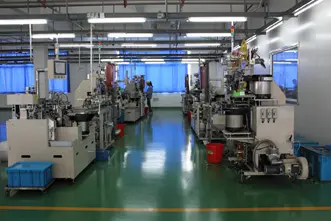
Additionally, supercapacitor equipment usually requires robust malamala stations. Connecting the current collectors in a supercapacitor involves welding multiple layers of foil to a tab. An ultrasonic masini is typically used here. This masini creates a solid-state metallurgical bond without melting the delicate foils. For any tagata gaosi looking to enter the energy storage market, investing in specialized supercapacitor equipment—rather than modifying standard maa masini—is crucial for yield.
Can Automatic Assembly Machines Improve Reliability in Packing?
Tasi le capacitor pe supercapacitor element is wound, it must be packaged. Packing is not just about aesthetics; it is about protection. Automatic assembly machines take the wound element and insert it into a case pe cylinder. Lea assembly machine must be precise. If the element hits the side of the case during insertion, the insulation can be damaged, leading to a short circuit.
In mass production, o le packing masini often integrates with the vacuum drying system. Before the final seal, the sela is subjected to a deep vacuum to remove every molecule of water. The automatic nature of this masini ensures that the exposure time to the atmosphere is zero. The masini gaoioi le sela from the oven to the sealing station in a controlled environment.
Reliability in packing also extends to the insulation sleeves. The masini that applies the shrink wrap or plastic housing needs to handle high speed operations. We often see manufacturers struggle here; their savili is good, but their packing masini crushes the leads or misaligns the label. A robust assembly machine prevents these late-stage failures.
How Critical is the Weld Process in Battery and Capacitor Cells?
Le malamala is the point of electrical continuity. In both maa ma le capacitor cells, the internal foils must be connected to the external terminals. This is usually done via a lead. Le masini used for this is often an ultrasonic welder or a laser O le ulding masini. Afai o le malamala is weak, the series resistance (ESR) increases. High ESR generates heat, which kills the sela.
In alatoto applications, the vibration is intense. A poor malamala will eventually fatigue and break. The masini must apply the exact amount of energy. Too little, and it doesn't stick; too much, and the masini burns through the tab. This operation requires precision tools. For example, the automatic aluminum wire wedge bonder creates connections at the micron level, ensuring that even under thermal stress, the bond holds.
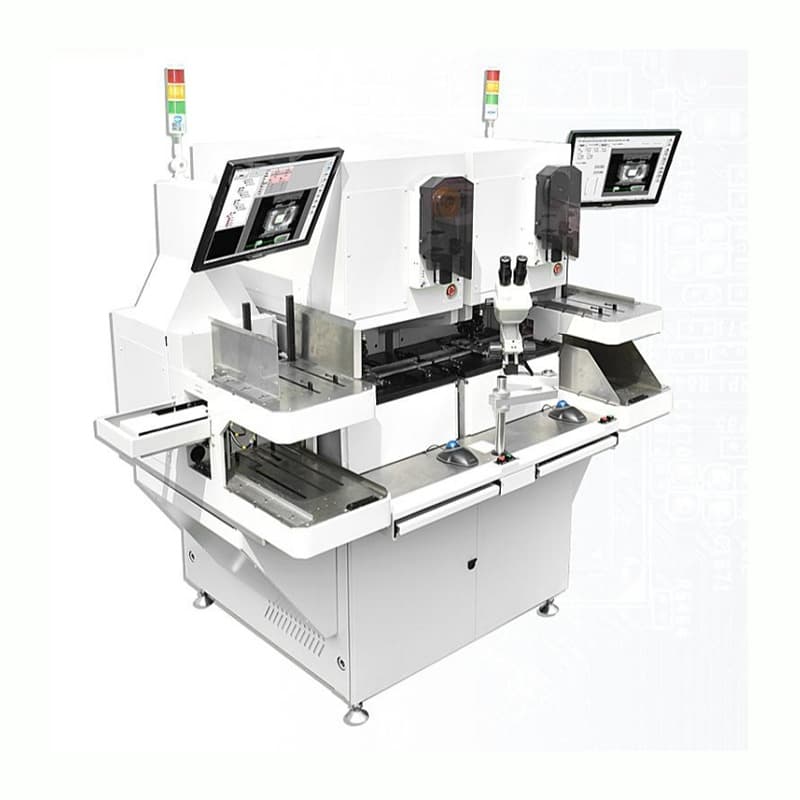
Mo maa packs specifically, the masini that welds the busbars to the cells is critical. A single bad malamala i le a maa module can render the entire pack useless. Therefore, the O le ulding masini must have integrated quality monitoring systems that verify the integrity of every single bond the masini makes.
Is Metallized Film the Future of Automotive Power Capacitors?
Metallized film capacitors are the heavy lifters of the EV world. They handle the DC link filtering in inverters. The masini requirements for metallized film are unique. Unlike foil, the uamea is sprayed onto the film. Le Suafa masini must handle this material gently to avoid scratching the uamea layer.
Le alatoto alamanuia demands self-healing capabilities. If a dielectric breakdown occurs, the metallized film vaporizes around the fault, saving the capacitor. Le masini manufacturing these must ensure the film tension is perfectly tapered. If the masini winds it too tight, the self-healing mechanism is inhibited by the pressure.
We also see a trend towards multilayer film capacitors. These require a masini that can stack layers rather than just wind them. The masini precision for multilayer alignment is measured in microns. For a tagata gaosi targeting the alatoto sector, having a masini capable of handling high-performance metallized film is the barrier to entry.
What Makes a High Speed Forming Machine Indispensable?
A forming machine is the unsung hero of the production line. After savili, o le capacitor is often cylindrical. However, to fit into compact spaces, especially in eletise, it needs to be flattened. The forming machine presses the round roll into an oval or flat shape. This masini operation must be done carefully.
Afai o le forming machine applies pressure too quickly, the internal layers buckle. The masini needs to apply a slow, controlled force. In high speed lines, this is a bottleneck. Advanced forming machines use heated plates to soften the film slightly before pressing. This allows the masini to work faster without damaging the sela structure.
Le forming machine also sets the lead pitch. For radial capacitors, the leads must be exactly spaced to fit the PCB holes. The masini bends and cuts the leads to specification. A precise forming machine ensures that your mea works seamlessly with your customer's automatic insertion masini faumea.
How Does Vacuum Technology Enhance Capacitor Production Quality?
Vacuum is essential in two stages: impregnation and drying. For oil-filled capacitors, the masini impregnates the wound element with oil under vacuum. This removes air bubbles. Air bubbles are fatal in high voltage applications because they lead to partial discharge. The vacuum masini must maintain a deep, stable pressure cycle.
In supercapacitor ma le maa production, the electrolyte filling masini also operates under vacuum. This ensures the liquid penetrates deep into the porous separator and electrode materials. A masini with poor vacuum control will leave dry spots in the sela. Dry spots mean zero capacitance in that area and localized heating.
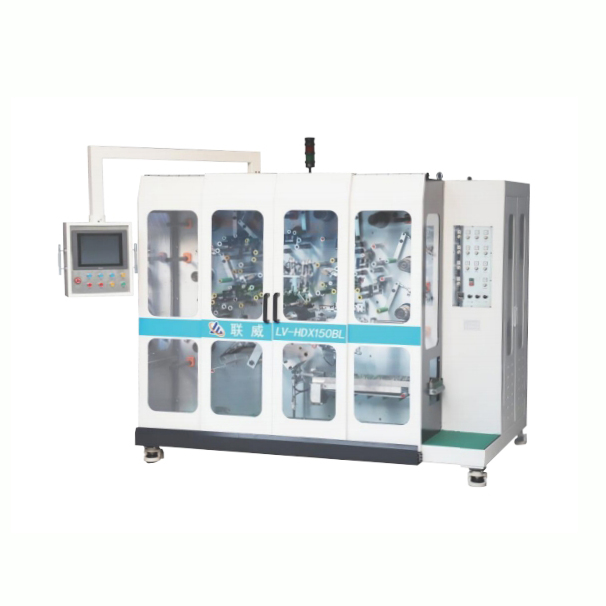
Additionally, vacuum drying ovens are critical masini faumea. Before sealing, the masini bakes the cells to remove moisture. Water is a contaminant that reacts with electrolytes. The masini must hold the vacuum and temperature precisely for hours. This step is the longest in the gaosia process, but skipping it ensures a high failure rate.
Why is Testing Machinery the Final Guardian of Electronics?
The last masini i luga o le line is the tester. Testing masini faumea verifies capacitance, loss factor (tan delta), and insulation resistance. For power capacitors, the masini also performs a high-voltage proof test. This masini applies a voltage significantly higher than the rated voltage to screen for weak spots.
In automatic production, o le testing masini also sorts the products. It bins them by tolerance. A fast masini can test and sort thousands of parts per hour. But accuracy is key. The masini probes must make good contact with the leads. If the masini contact is poor, it gives a false fail, wasting good product.
Data from the testing masini should feed back to the Suafa masini. If the capacitance is drifting, the Suafa masini can adjust the number of turns automatically. This closed-loop masini ecosystem is the hallmark of modern alamanuia 4.0 capacitor production.
How Do China Manufacturer Solutions Support Global Industry Needs?
Saina has become the global hub for capacitor ma le maa gaosia meafaigaluega. The supply chain here allows a tagata gaosi to source everything from a single masini to a complete turnkey vaifofo. Companies like Dongxin provide not just the masini parts, but the technical service to optimize them.
We understand that a masini is only as good as its consumables. A high-end winding machine for metallized film capacitors requires precision mandrels and durable blades. Sourcing these from a specialized tagata gaosi i totonu Saina ensures you get parts that are talafeagai for high-intensity operation.
Whether it is a making machine for a small eletise shop or a massive supercapacitor equipment setup for an energy grid project, the masini faumea available today offers incredible value. The key is to find a partner who understands the masini, o le process, ma le meafaitino.
Summary of Key Considerations for Your Production Line
- Holistic Integration: Mautinoa lou Suafa masini, assembly machine, ma testing equipment communicate to prevent bottlenecks.
- Precision Winding: Invest in high-quality masini mandrels and tension systems to prevent air gaps and film damage.
- Supercapacitor Specifics: Use specialized supercapacitor equipment capable of handling wet/dry environments and delicate separators.
- Robust Welding: Your O le ulding masini must deliver consistent energy to ensure reliable electrical connections in every sela.
- Vacuum Vitality: Never compromise on vacuum masini faumea; it is essential for removing moisture and preventing partial discharge.
- Automated Packing: Use accurate packing masini to protect the sela insulation during insertion into the case.
- Quality Consumables: Even the best masini fails with poor parts; source durable winding machine parts manufacturer in china with low price high quality to keep your line running.