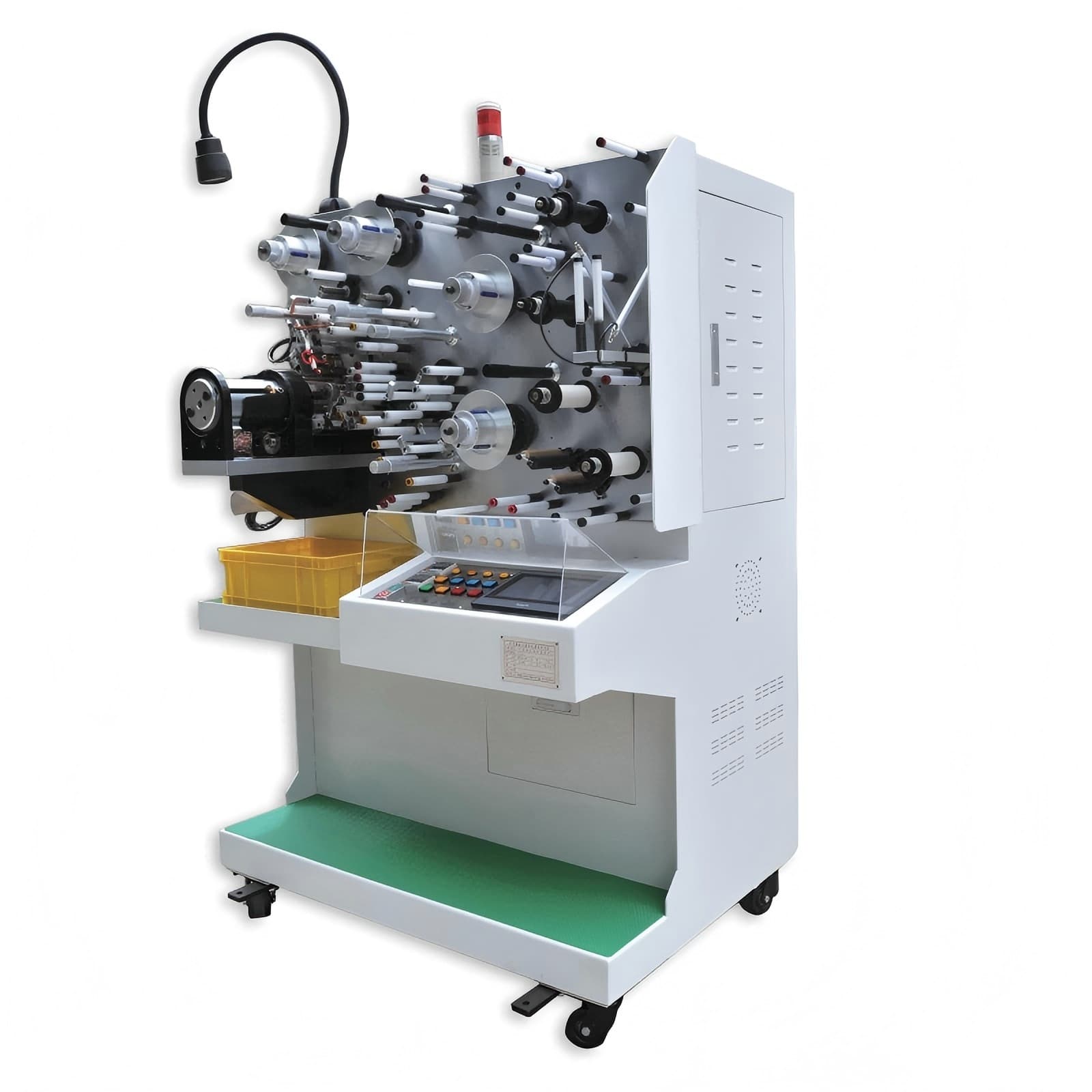
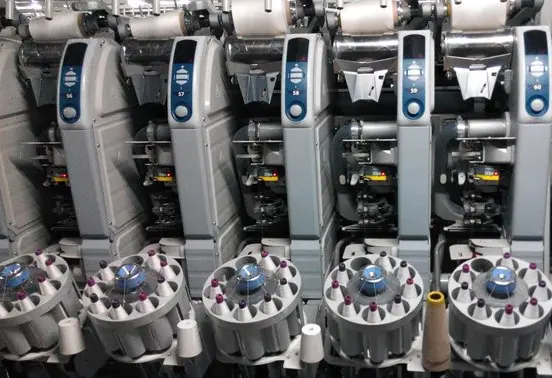
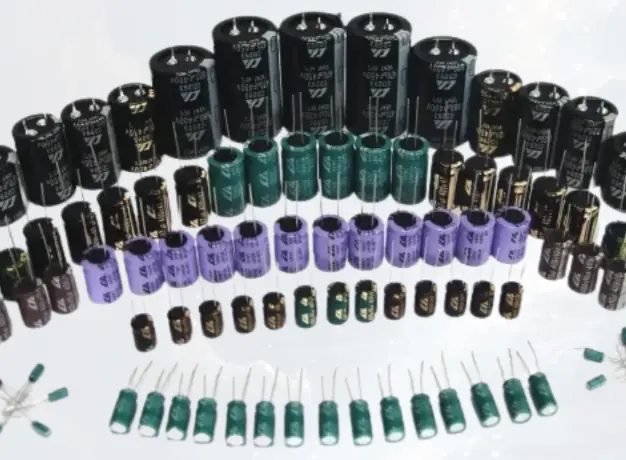
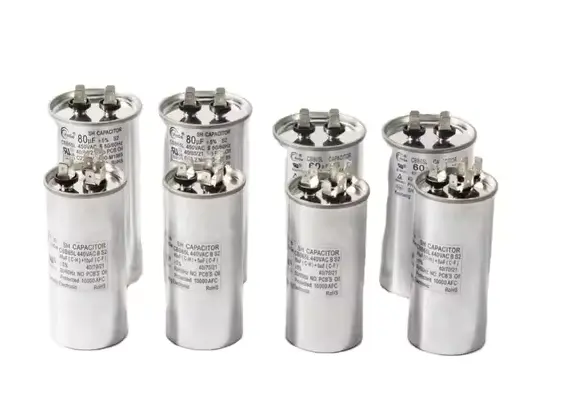
As the founder of Dongxin Electronic Technology, I have spent decades in the precise world of electronic component manufacturing. I know that for engineers like Marcus in Germany, the difference between a reliable component and a catastrophic failure often comes down to the microscopic alignment of a foil or the consistent tension of a separator. Whether you are producing a standard film capacitor or a high-energy super capacitor, the equipment you use defines your product's quality. This article explores the mechanics and advantages of the automatic capacitor winding machine, a critical piece of high-tech equipment that drives the modern electronics and maa Alamanuia.
What Defines a Top-Tier Automatic Capacitor Winding Machine?
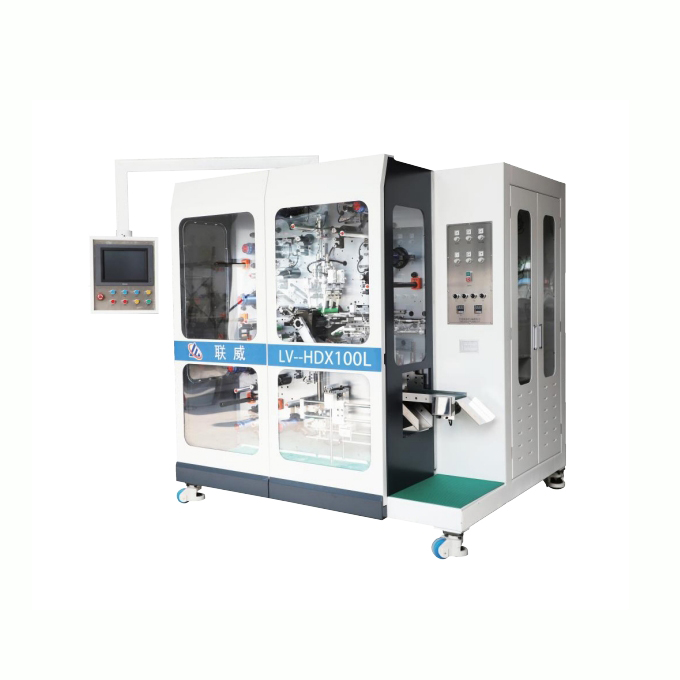
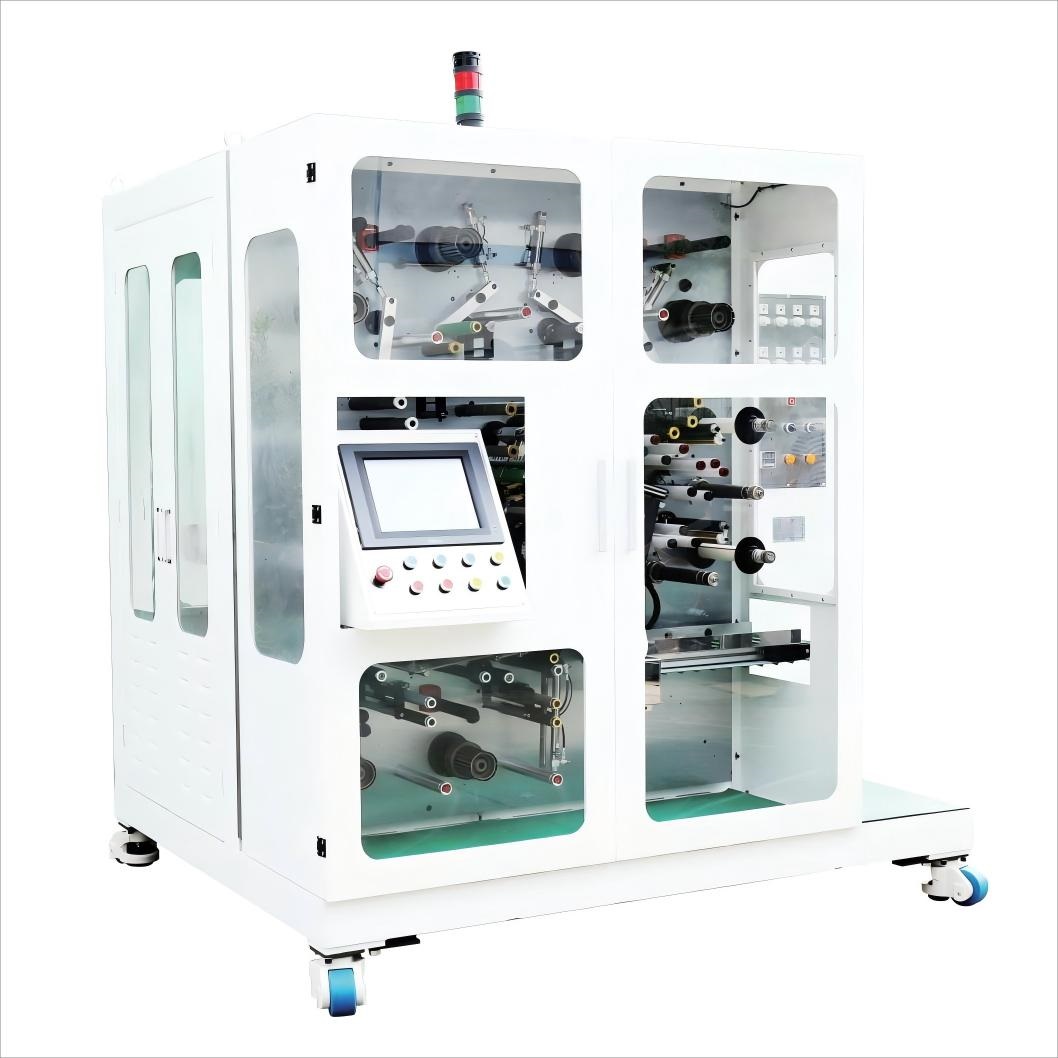
A capacitor winding machine is not merely a motorized spool; it is a complex orchestration of motion control and material handling. In the production of a capacitor, specifically metallized film capacitors, the machine must layer dielectric films and conductive foils with micron-level accuracy. The automatic nature of modern machines allows for the continuous monitoring of tension, speed, and alignment.
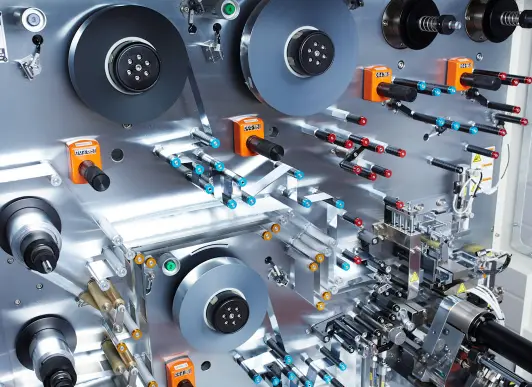
For a process engineer, the hallmark of a robust automatic capacitor winding machine is its ability to minimize deviation. As the machine winds the film and foil layers, any lateral movement or tension fluctuation can create air gaps or wrinkles. These imperfections alter the capacitance and lower the breakdown voltage. We design our machines with intelligent servo systems that adjust tension in real-time, ensuring a stable and tight wind every time.
How Does Automation Transform Capacitor Manufacturing?
The shift from manual to automatic gaosia processes is the single biggest factor in increasing productivity and yield. In capacitor manufacturing, speed is essential, but consistency is king. A fully automatic machine handles every step: feeding the material, winding the element, applying the cover tape, and ejecting the finished mea.
This level of otometi removes human error from the equation. In a manual process, an operator might stretch the film slightly differently on Monday morning than on Friday afternoon. An automatic winding machine applies the exact same force to the separator ma le eletono materials 24/7. This consistency allows manufacturers to tighten their tolerances and offer a superior mea to the market. Furthermore, automated meafaigaluega can detect pinholes or defects in the raw material before they are wound into the capacitor, saving costly materials.
The Critical Role of the Manufacturer and Supplier in Your Success
Filifilia o A capacitor winding machine is not a one-time purchase; it is a long-term partnership with your tagata gaosi ma le tagata 'ai. At Dongxin, we understand that our clients need more than just iron and steel; they need a vaifofo. A reliable tagata 'ai provides the technical know-how to optimize the machine for your specific film thickness and capacitor geometry.
We often work with clients to customize the masini faumea for unique applications, such as high-temperature environments or specific form factors. As a tagata gaosi, we control the quality of the components that go into our machines, from the winding mandrels to the tension sensors. This vertical integration allows us to guarantee the performance oa matou meafaigaluega and provide a secure supply chain for spare parts, which is vital for maintaining a continuous production line.
What is the Difference Between Semi-Automatic Winding and Fully Automatic Systems?
The industry offers two main tiers of technology: the semi-automatic winding machine and the fully automatic system. Understanding the difference is key to calculating ROI. Semi-automatic winding requires an operator to load the mandrels and perhaps tape the finished roll. This offers flexibility for small batches or R&D but introduces variability.
In contrast, a fully automatic capacitor winding machine is designed for mass production. It features automatic material loading, automatic termination, and automatic unloading. While the initial investment is higher, the Faiaoga speed and reduced labor costs make it the standard for high-volume gaosia. For a super capacitor production line, where volumes are high and quality demands are stringent, fully automatic masini faumea is the only viable path to profitability.
Why is Precision Winding Crucial for Supercapacitor Performance?
Le super capacitor (or supercapacitor) represents a unique challenge. Unlike standard capacitors, a supercapacitor relies on an eletono structure that usually involves activated carbon coated onto a current collector. The performance a super capacitor—specifically its internal tetee (ESR) and power density—is heavily dependent on the winding pressure.
Afai o le eletono ma le separator are wound too loosely, the internal tetee increases, causing the component to overheat during rapid charge/discharge cycles. If wound too tightly, the separator may puncture, causing a short circuit. Our winding machine supercapacitor solutions utilize sensitive feedback loops to maintain the precise contact pressure required between the eletono ma le separator. This ensures optimal ion mobility and maximizes the life of the supercapacitor.
Can a Capacitor Machine Also Serve as a Winding Machine for Battery Production?
There is significant technological crossover between capacitor winding and maa winding. Both the capacitor ma le maa sela consist of an anode, a cathode (or eletono plates), and a separator. Consequently, a winding machine for battery production shares many mechanical principles with a capacitor winder.
However, there are key differences. Battery gaosia often involves thicker metal foil (copper and aluminum) and chemically active coatings. The assembly machine for a maa must handle these heavier materials without damaging the coating. Additionally, maa production requires strict humidity control (dry room compatibility) which influences the machine design. While a standard capacitor machine cannot simply wind a lithium-ion maa, the core technologies of tension control and web alignment are identical. We leverage our expertise in capacitor winding to build high-precision standard mandrel holder for capacitor or battery winding machine components that serve both sectors.
Cylinder Battery Winding vs. Flat Cell Assembly: What Matters?
In the maa world, the cylinder format (like the 18650 or 21700 sela) remains popular due to its mechanical stability and ease of gaosia. Cylinder battery winding requires a machine that can wind the eletono ma le separator layers into a tight "jelly roll" and then insert it into a rigid can.
Le Faiaoga process for a cylinder sela is highly standardized, allowing for incredibly fast production line speeds. The challenge lies in managing the "tab" – the connection point to the eletono. High-speed winding machine for battery applications must weld or insert these tabs accurately without slowing down the winding mandrel. In contrast, flat or prismatic sela Faiaoga often uses stacking or flattened winding, which has different stress profiles. Our masini faumea is engineered to handle the dynamic forces of high-speed cylinder winding, ensuring the separator remains perfectly aligned to prevent internal shorts, a critical safety popole.
Ensuring Quality: Service and Machinery Support from Dongxin
For industrial buyers, the sale is just the beginning. The service and support provided by the tagata gaosi determine the uptime of the meafaigaluega. Complex otometi requires regular maintenance and calibration. We pride ourselves on offering comprehensive service, including on-site installation, training, and rapid response for troubleshooting.
We also supply high-quality wear parts. The winding needle or mandrel is the most stressed part of the masini faumea. If it wears down, the core of the capacitor pe maa sela becomes loose. We function as a winding machine parts manufacturer in China with low price high quality, providing durable, precision-ground replacement parts that ensure your automatic winding machine continues to operate at peak performance for years.
Supply Chain Stability: Selecting a Reliable Electrode and Foil Partner
A Suafa masini is only as good as the material fed into it. To achieve high quality i totonu capacitor manufacturing pe maa Faiaoga, you must have a consistent supply o eletono foil ma le separator film. Variations in material thickness or tensile strength can cause jams and breaks in an automatic line.
While we focus on the masini faumea, we advise our clients to validate their material suppliers rigorously. A reliable tagata 'ai of raw materials ensures that the foil has clean edges (no burrs) and uniform coating thickness. When high-quality materials meet our high-precision auto winding machine, the result is a mea with exceptional electrical performance and reliability.
Future Trends in Product Assembly and Automation
The future of the alamanuia is smart. We are seeing a trend toward "Industry 4.0" integration, where the automatic capacitor winding machine communicates directly with the factory's central control system. Data on winding tension, speed, and sela diameter is logged for every single unit produced.
This data allows for predictive maintenance and full traceability of the mea. In the maa sector, this is crucial for safety compliance. Additionally, as supercapacitor ma le maa technologies evolve, we are developing machines capable of handling thinner, more fragile films to increase energy density. The drive for higher power and efficiency pushes us to innovate constantly, ensuring we remain the best capacitor winding machine partner for our global clients.
Autu Auta
- O le saʻo o le tulaga o le paʻu: Whether for a capacitor pe a maa, o le automatic winding machine must deliver consistent tension and alignment to ensure performance.
- Automation Drives Yield: Moving from semi-automatic winding i fully automatic systems significantly increases productivity and reduces defects.
- Supercapacitor Needs: Super capacitor manufacturing requires specialized puleaina over winding pressure to minimize internal tetee.
- Battery Crossover: Cylinder battery winding shares principles with capacitor winding but requires specific handling for coated eletono foils and tabs.
- Mataupu Taua: Le quality o le foil, separator, ma film directly impacts the efficiency of the assembly machine.
- Partner for Success: Filifili a tagata gaosi ma le tagata 'ai like Dongxin that offers robust masini faumea, spare parts supply, and dedicated service.