As a specialized manufacturer at Dongxin Electronic Technology, I often find myself in deep technical discussions with engineers like Marcus from Germany. We talk about tolerances, material science, and the relentless pursuit of perfection. One topic that constantly surfaces is the critical role of the likidasyon mandrin. Whether you are producing high-tech capacitors or robust composite structures, the quality of your final product is entirely dependent on the cylinder it is wrapped around. This article explores the intricate world of filament winding, the machinery involved, and why the mandrel is the heartbeat of the entire operation. We will look at how this simple-looking tool dictates the precision of composite parts and why choosing the right supplier matters more than you might think.
What Exactly is a Winding Mandrel?
Nan pi senp li yo, yon likidasyon mandrin is a form or core around which material is wrapped. In the world of manufacturing, however, it is much more than just a stick. It is a precision-engineered shaft, rod or tube that defines the inner geometry of a workpiece. Whether you are creating a composite pipe, a pressure vessel, or the internal element of a capacitor, the mandrel provides the structural support needed during the winding pwosesis.
If the mandrel has even a microscopic imperfection, that flaw is transferred to every single layer of the coil ou composite structure. For an enjenyè, the mandrel is the reference point for all other dimensions. In our factory, we treat the Mandrel Rod, baton, anplwaye, zegwi pou pouvwa batri likidasyon machin with the same level of care as the winding machine itself. It must be perfectly cylindrical, rigid, and surface-finished to exact specifications. Without a high-quality likidasyon mandrin, even the most expensive winding equipment cannot produce a usable part.
How Does the Filament Winding Process Actually Work?
A filament winding process is a fascinating manufacturing technique used primarily to create hollow composite structures. It involves winding continuous fibers—usually glass or carbon fiber—onto a rotating mandrel. These fibers are typically soaked in a polymer resin bath just before they touch the mandrel. This ensures that the fiber ak la resin form a unified composite material.
A mandrel rotates on a lathe-like machine while a carriage moves back and forth along the length of the mandrel. Sa delivery eye sou la carriage places the filament at a specific angle. By controlling the speed of the likidasyon mandrin rotation and the speed of the carriage, we can create different strength profiles. The fibers are wound under tension, which helps to compress the layers together and remove air voids. Once the winding is complete and the resin cures, the mandrel is removed, leaving behind a strong, lightweight shell.
Why is the Mandrel Considered the "Heart" of the Winding Machine?
You might think the motor or the software is the most important part of a winding machine. However, seasoned professionals know that the mandrel used plays the most vital role in accuracy. The likidasyon mandrin must resist deflection. As layers of filament build up, they exert immense crushing pressure on the mandrel. If the mandrel bends or warps under this tension, the composite part will be oval instead of round, or it will have uneven wall thickness.
Anplis de sa, la rotating mandrel must have zero "runout." Runout is a wobble during rotation. If the mandrel wobbles, the filament tension fluctuates wildly. This leads to weak spots in the composite structures. For high-pressure vessels, such a defect could lead to a catastrophic explosion. Therefore, the stiffness and rotational precision of the mandrel are what ultimately determine if a Pwosesis Faktori is successful. It is the solid foundation upon which the entire winding operation rests.
What Materials are Used to Manufacture High-Performance Mandrels?
To withstand the rigors of winding operations, mandrels must be made from robust materials. Common choices include hardened steel and aluminum for larger composite parts like an exhaust system or pipes and tubes. However, for high-precision electronics and smaller composite parts, we often use Tungsten Carbide or specialized tool steels.
Tungsten carbide is incredibly hard and stiff. It resists bending even when the winding tension is very high. It also resists the abrasive nature of carbon fiber ak fiberglass, which can wear down softer metals over time. Resistance to korozyon is also critical, as the chemical resin used in filament winding can be aggressive. We manufacture our Creole detantè mandrin pou CAPACITOR oswa machin likidasyon batri components to withstand heat, chemical attack, and mechanical stress, ensuring a long lifespan for the tooling.
How Do Automated Filament Winding Machines Control Precision?
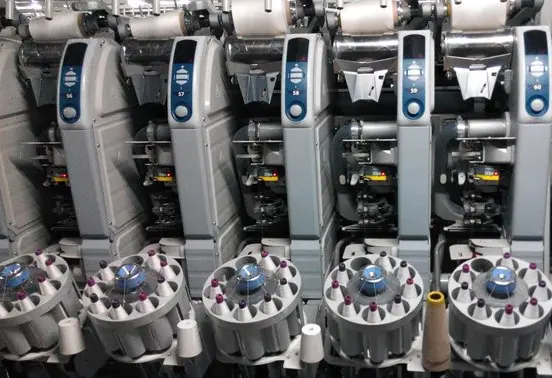
Modèn filament winding machines are marvels of otomatizasyon. They typically operate on multiple axes of motion—often varying from 2 to 6 axes. A 2-axis machine might just rotate the mandrel and move the carriage horizontally. A 6-axis machine can twist and turn the delivery eye to create complex elbows and T-joints.
Computer Numerical Control (CNC) software coordinates these movements. The enjenyè inputs the desired dyamèt, wind angle, and thickness. The winding machine then calculates exactly how fast to spin the likidasyon mandrin and how fast to move the carriage. This otomatizasyon ensures that the continuous fibers are placed exactly where they need to be, layer after layer. This precise manufacturing eliminates human error and ensures that every pipe or tank produced is identical to the last one.
What is the Role of the Mandrel in Manufacturing Composite Pipes and Pressure Vessels?
Composite pipes ak pressure vessels are among the most common applications for filament winding. In industries like aerospace ak automotive, hydrogen fuel tanks are made this way. These high-pressure vessels must hold gas at incredibly high pressures without bursting. The mandrel defines the internal volume and shape of these tanks.
For a pipe, the likidasyon mandrin determines the inner dyamèt and smoothness. A smooth interior is crucial for fluid flow. During the fabrication process, the reinforcement fibers are wound around the mandrel in specific winding patterns. Hoop winding (90 degrees to the axis) gives burst strength, while helical winding (at an angle) gives the pipe tensile strength to prevent it from pulling apart. The mandrel supports the composite structure while it is being built and cured.
Can a Mandrel Be Customized for Complex Winding Patterns?
Yes, customization is a key part of the industry. Not all winding takes place on a simple cylinder. We can create intricate shapes for specific applications, such as suspension components or irregular aerospace ducts. This requires a likidasyon mandrin with a complex geometry.
Sometimes, the mandrel must change shape or have varying diameters along its length. Filament winding machines with advanced axes control can follow these contours. The winding patterns must be carefully calculated so the filament doesn't slip off a curved surface. This adaptability allows filament winding to compete with other molding processes. We often produce a Customized big winding mandrel fastener end for capacitor to meet these specific, non-standard needs.
How Do You Remove the Mandrel After the Winding Operation?
Yon fwa la winding is finished and the resin has hardened, the composite part is solid. But the mandrel is trapped inside! Removing the mandrel is a critical step. For simple pipes, powerful hydraulic rams can pull the mandrel out, provided the surface is smooth and a release agent was used.
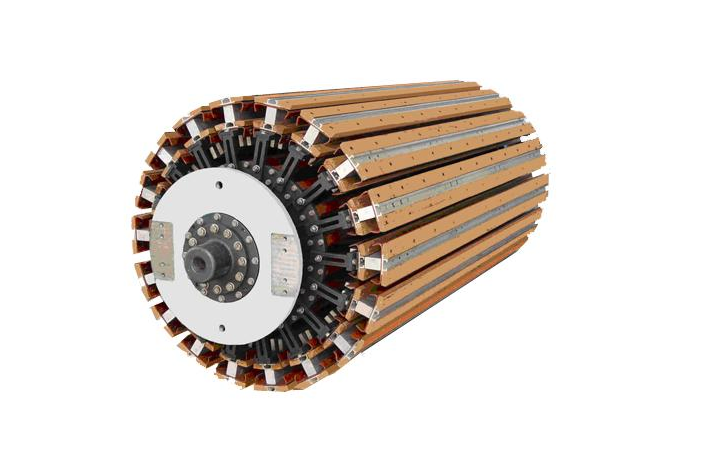
For complex shapes or closed pressure vessels, we use expandable or collapsible mandrels. Some are made of segmented metal parts that collapse inward when a central shaft is removed. Others are made of soluble salts or plaster that can be washed away with water. In some cases, we use a steel mandrel with a slight taper (draft angle) to make extraction easier. The fabrication nan la mandrel must always account for how it will be removed from the final composite product.
What Quality Control Measures Ensure a Mandrel Lasts?
A likidasyon mandrin is an investment. To ensure it provides years of service, rigorous quality control is necessary during its manufacture. We check for straightness, surface hardness, and concentricity. The surface must be polished to a mirror finish to prevent the resin from sticking too strongly.
If a mandrel has surface scratches, the composite part might bond to it, making removal impossible without destroying the part. We also inspect for korozyon. Even stainless steel can corrode if left covered in aggressive chemicals. Regular maintenance, such as polishing and checking the chuck ou pens ends for wear, is essential. A well-maintained mandrel ensures that the winding machine can operate at peak efficiency.
How to Choose the Right Supplier for Precision Winding Equipment?
Choosing a supplier for your likidasyon mandrin ak machinery components is about trust. You need a partner who understands the winding process, not just a machine shop. At Dongxin, we understand that a winding tool must handle heat, tension, and chemical exposure.
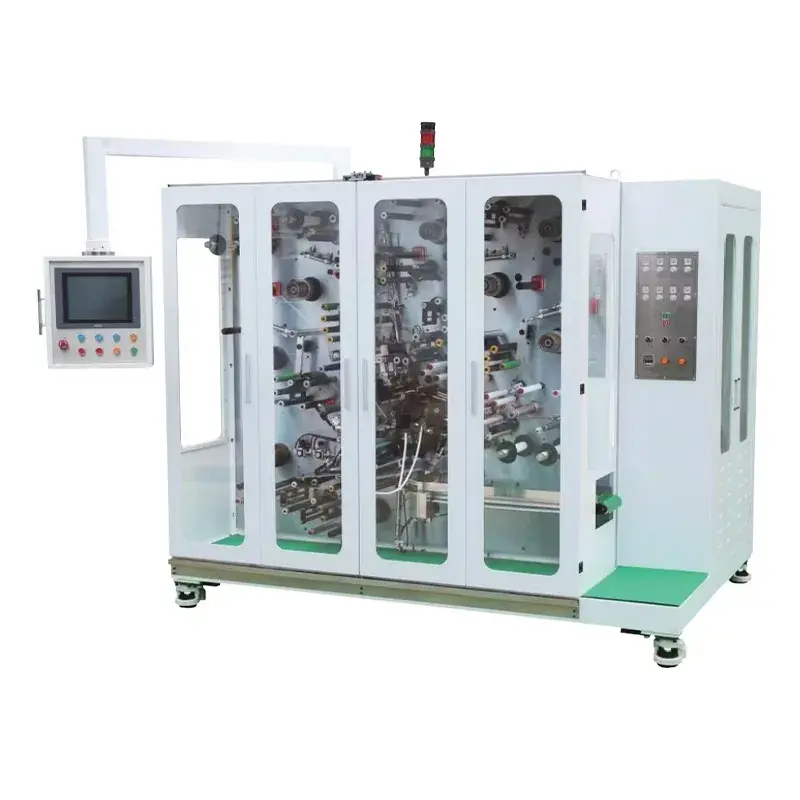
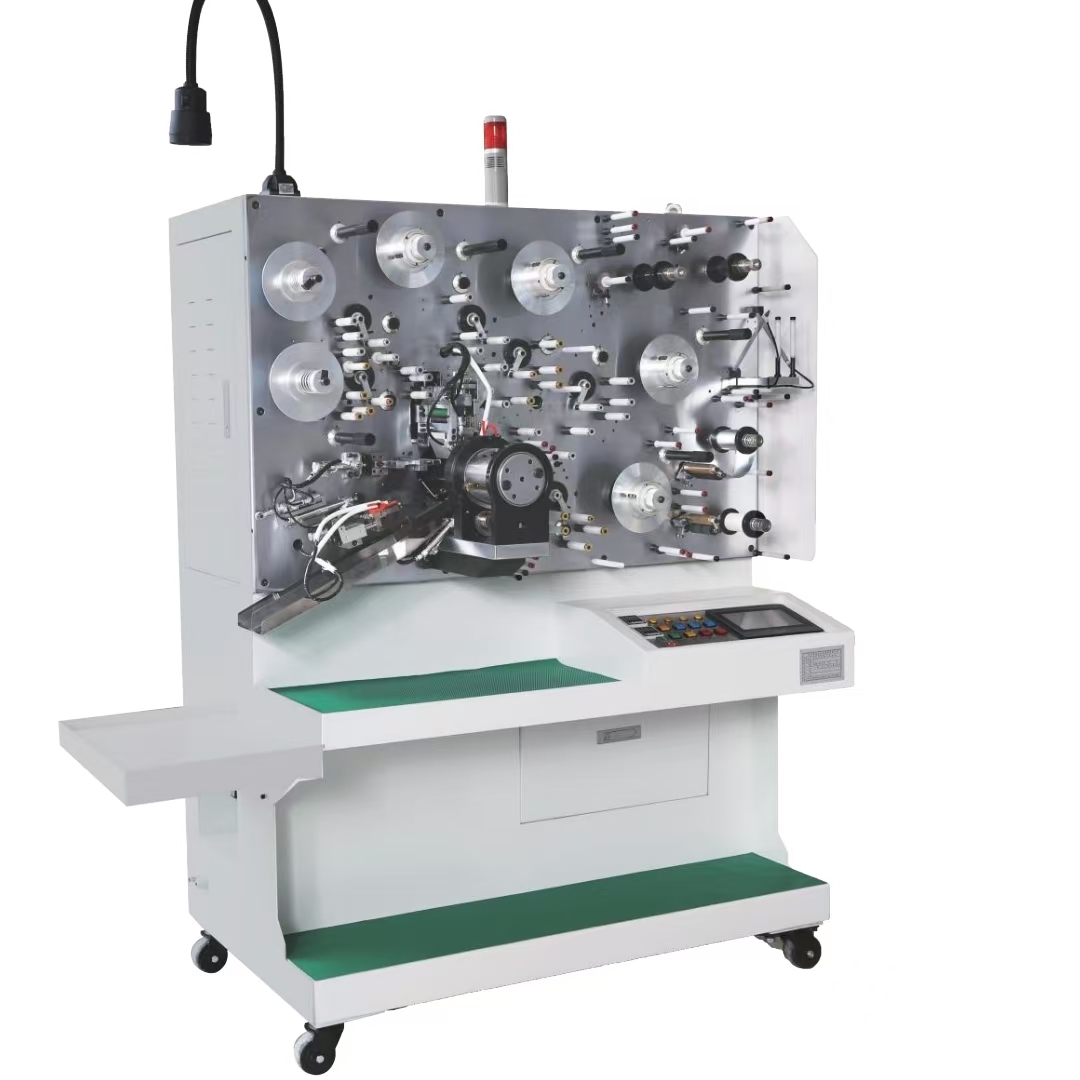
Look for a supplier who can offer customization. Can they make a mandrel from specific alloys? do they understand the specific needs of Likidasyon machin pou kondansateur fim metalize versus heavy pipe winding? An experienced supplier will ask about your resin type, your filament tension, and your extraction method before they even start cutting metal. This partnership is what leads to successful fabrikasyon.
Takeaways kle
A likidasyon mandrin is the foundation of the filament winding industry. Here are the most important things to remember:
- Foundation of Quality: A likidasyon mandrin dictates the internal dimensions and quality of the final composite product.
- Process Basics: Filament winding involves wrapping resin-soaked fiber around a rotating mandrel.
- Materyèl zafè: Mandrels must be stiff and corrosion-resistant, often made of hardened steel or tungsten carbide.
- Critical Stiffness: A mandrel must not bend under the immense tension of winding.
- Automation: Modèn filament winding machines use multi-axis otomatizasyon for complex winding patterns.
- Versatility: This process creates everything from pipes ak pressure vessels to capacitor cores.
- Removal Strategy: You must plan how to extract the mandrel, using tapers or collapsible designs.
- Partner Wisely: Choose a supplier like Dongxin who understands the engineering behind the winding pwosesis.