As a manufacturer of high-precision tools at Dongxin Electronic Technology, I often have in-depth discussions with engineers like Marcus in Germany. We talk about micron-level tolerances on semiconductor bonding tools, but sometimes the conversation turns to the most fundamental tools on the bench: the humble wire cutter. An engineer understands that precision in a final product is the sum of a thousand small, correct choices, and that includes selecting the exact right tool for the job. Using the wrong type of wire cutter can damage a component, ruin a connection, or compromise safety. This guide is for the professional who knows the difference between "good enough" and "correct." We will explore the different types of wire cutters, explain their specific functions, and show you how to choose the perfect cutter for any wire cutting task.
What is the Difference Between Wire Cutters and Wire Strippers?
This is the most fundamental distinction to make, as the two hand tools are often found side-by-side but have vastly different purposes. Confusing them can lead to damaged wires and poor connections. A wire cutter da designed for cutting; its sole purpose is to sever a burdin hari ala cable completely. The jaws of a wire cutter are sharp cutting edges that come together to slice through the metal conductor.
A wire stripper, on the other hand, is a precision tool designed to remove the outer layer of insulation from a burdin hari without damaging the metal strands inside. Wire strippers have a series of calibrated holes or an adjustable blade mechanism. When you close a wire stripper around a burdin hari, it cuts through the insulation but stops short of the conductor. You then pull, and the insulation slides off, leaving a clean, undamaged conductor ready for termination. While some multi-tools combine these functions, a dedicated wire cutter will always provide a cleaner and more powerful cut, and a dedicated wire stripper will always be safer for the burdin hari. The core difference between wire tools lies in this cut-versus-strip functionality.
What are the Most Common Types of Wire Cutters Available?
The world of wire cutters is surprisingly diverse, with each type of cutter engineered for a specific task, material, or angle of approach. While there are dozens of specialized cutters on the market, most tasks can be handled by one of the main types. Understanding these categories is the first step in selecting the right tool.
Here is a quick overview of the most common types of wire cutters:
| Cutter Type | Primary Use | Cut Profile | Key Feature |
| Diagonal Cutter | General-purpose burdin hari cutting | Angled/Beveled | Versatile, powerful, most common type of wire cutter |
| Flush Cutter | Electronics, PCB work, fine tasks | Perfectly flat/Flush | Creates a clean, flat cut with no sharp peaks |
| End Cutter | Cutting close to a surface | Parallel to handles | Jaws are at the very end of the tool for head-on cutting |
| Cable Cutter | Cutting large-diameter cable | Shearing/Bypass | High-leverage design for thick copper/aluminum cable |
| Bolt Cutter | Cutting hardened metal rods, bolts, locks | Compounding Force | Extremely long handles provide massive cutting force |
These five types form the foundation of any well-equipped toolbox, from an electrician's bag to a semiconductor assembly cleanroom.
How Does a Diagonal Cutter Work and When Should I Use It?
-A diagonal cutter is the undisputed workhorse of the wire cutter family. They are also widely known as side cutters ala wire snips. The name "diagonal" comes from the fact that the cutting edge is at an angle to the handles. This design allows you to get the jaws into tight spaces and cut a burdin hari close to a terminal or surface. When the jaws close, they indent the burdin hari from both sides and wedge it apart.
Hau type of cutter is incredibly versatile and is often used for everything from electrical wiring and electronics prototyping to general repairs. The angled jaws provide excellent leverage, making it easy to cut small to medium-gauge copper and aluminum burdin hari. However, it's important to note that a standard diagonal cutter leaves a small, pointed tip on the end of the burdin hari it cuts. While this is fine for many applications, that small peak can be a major problem in high-density electronics, which is where our next cutter comes in.
Why is a Flush Cutter the Right Tool for Electronics Work?
For anyone working with printed circuit boards (PCBs) or in precision assembly, the flush cutter is an indispensable tool. Flush cutters are designed to make a perfectly flat, clean cut. Unlike a diagonal cutter that has beveled jaws, a flush cutter has a flat back on its cutting jaws. When you cut a wire, the flat side of the cutter rests against the board or component, and the blade slices the burdin hari off perfectly flush. This is what is meant by a flush cut.
Why is this so critical? Those small, sharp peaks left by a diagonal cutter can cause serious problems in electronics. They can pierce insulation on an adjacent burdin hari, creating a short circuit. They can also prevent a component from sitting flat on a board. A flush cutter eliminates these risks entirely. They are perfect for cutting small wires and component leads with the utmost precision. These cutters are often called micro cutters or nippers and are an absolute requirement for high-reliability burdin hari work. When you need the cleanest possible cut, you must use a flush cutter.
When is an End Cutter the Best Type of Cutter to Use?
- end cutter, sometimes called an end nipper, has a very different design. Its cutting jaws are located at the very tip of the tool, parallel to the handles. This allows you to cut objects head-on, something a side cutter cannot do. Think of them as the pliers equivalent of a guillotine. You position the jaws over the object you want to cut and squeeze.
End cutters are commonly used for tasks that require cutting an object flush against a azalera. They are used for cutting nails, staples, or wire ties right at the base. In electronics, they can be used to trim component leads that are protruding through a board at an awkward angle. Their high-leverage design also makes them excellent for cutting through harder materials like small pieces of steel wire that might damage a more delicate diagonal cutter. When you need to approach the burdin hari straight on, the end cutter is the tool for the job.
What is the Real Difference Between a Wire Cutter and a Cable Cutter?
Lehen praria difference between a wire cutter and a cable cutter is scale and mechanism. A wire cutter is designed for solid or stranded individual wires. Its jaws are designed to indent and break a relatively small-diameter conductor. A cable cutter, however, is a much more robust cutting tool designed for cutting large, multi-conductor cables.
A thick cable contains multiple insulated wires, fillers, and a tough outer jacket. A standard wire cutter simply doesn't have the leverage or jaw capacity to handle this. Cable cutters are designed with long handles for high leverage and a different type of cutting jaw. Many cable cutters feature a bypass or shear design, much like a pair of scissors. The two cutting edges that slide past each other provide a much cleaner cut on a large cable and require less force than a simple pinching action. Using a standard wire cutter on a large cable will likely damage the tool and produce a messy, crushed cut. This is a classic case where using the right tool is not just better, but necessary.
How Do I Choose the Right Cutter for Different Wire Materials?
Not all burdin hari is created equal. The material of the wire you are working with is a critical factor in choosing the correct cutter. Using a cutter on a material it wasn't designed for is the fastest way to destroy its cutting edge.
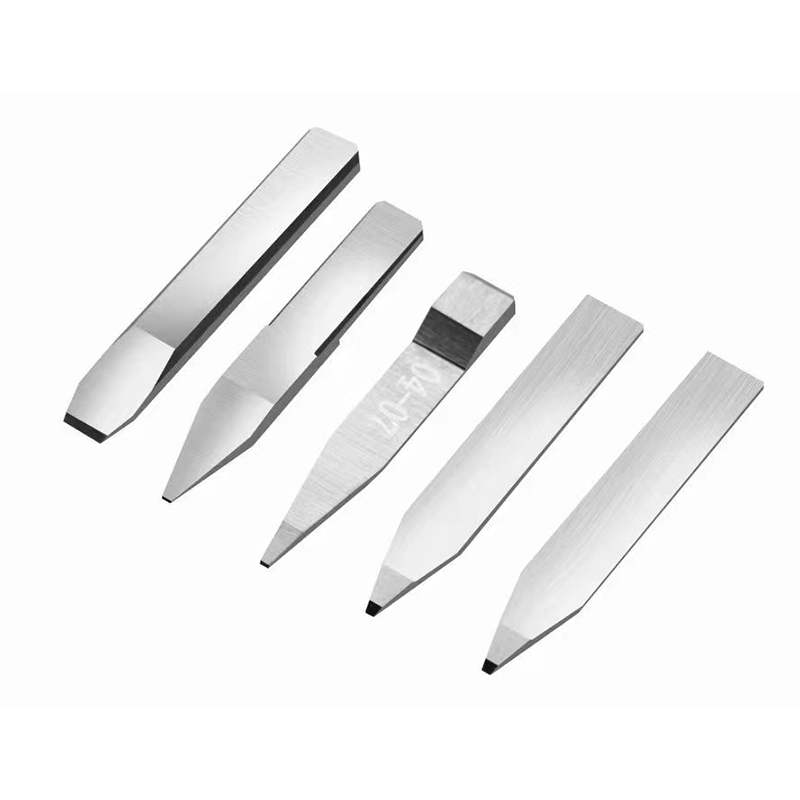
- Copper and Aluminum Wire: Most standard wire cutters, like diagonal and flush cutters, are designed for soft metals like copper and aluminum. This covers the vast majority of electrical and electronic burdin hari. We often work with high-purity Aluminiozko alanbre hutsa in our industry, which requires a very clean cut from a specialized tool like a precision cutter knife.
- Steel Wire: Attempting to cut steel burdin hari (like music burdin hari, guy burdin hari, or piano burdin hari) with a standard cutter will almost certainly nick or dull the blades. For hardened steel wire, you need a cutter specifically rated for it, which will have much harder steel jaws.
- Bolts and Rebar: For cutting through hardened steel bolts, locks, or rebar, you need the extreme power of a bolt cutter. Bolt cutters are heavy-duty tools designed for cutting through thick, hard metals using a compound hinge mechanism to multiply the operator's force.
Always check the manufacturer's specifications for a cutter to see what materials it is rated to cut.
What Qualities Define a High-Quality Pair of Wire Cutters?
A good pair of wire cutters is an investment that pays off in performance, safety, and longevity. When evaluating any type of wire cutter, professionals look for a few key indicators of quality:
- Materiala: The best cutters are forged from high-carbon or chrome-vanadium steel. This steel is then hardened and tempered to create a cutting edge that is sharp, durable, and resistant to wear.
- Joint Construction: The pivot point is critical. A well-made cutter will have a hot-riveted joint that is smooth and wobble-free. This ensures the cutting edges align perfectly every time.
- Cutting Edge Hardness: Look for induction-hardened cutting edges. This process hardens just the edges of the jaws, keeping them sharp for longer while allowing the rest of the tool to remain slightly softer to absorb impact and prevent cracking.
- Ergonomics: For a tool you use all day, comfort is key. Look for cutters with comfortable, non-slip grips that fit well in your hand. This reduces fatigue and improves control. Many high-quality cutters have dual-component handles for a better feel.
What is the Proper Way to Use Wire Cutters Safely?
Using any cutting tool requires a focus on safety. While they may seem simple, proper technique is essential to protect yourself and your workpiece. First and foremost, always wear safety glasses. When a burdin hari is cut, the small off-cut piece can fly off at high speed.
Second, never use wire cutters on live electrical circuits. Always de-energize and lock out any circuit before you begin work. Third, match the cutter to the task. Don't try to cut through thick, hardened burdin hari with a small flush cutter, and don't use your wire cutter as a hammer or pry bar. Finally, be mindful of where the cut ends of the burdin hari will fall. In sensitive electronic assemblies, a stray piece of conductive burdin hari can cause a disastrous short circuit. For this reason, some cutters have a small clip designed to hold the off-cut piece.
What is the Best Approach for the Maintenance of Wire Cutters?
Proper maintenance of wire cutters will dramatically extend their life and ensure they continue to perform as intended. The most important step is to keep them clean and dry. Wipe them down after use to remove any debris or moisture, which can lead to rust.
Periodically, place a small drop of light machine oil on the pivot point. This will keep the action smooth and prevent corrosion in the joint. Regularly inspect the cutting edges for any nicks or signs of wear. If the edges become damaged, the cutter will no longer make a clean cut and should be replaced. A damaged cutter can crush a burdin hari instead of cutting it, leading to a poor connection. Store your cutters in a way that protects their jaws from damage, such as in a tool roll or a dedicated drawer, not rattling around with heavier tools. Proper care ensures your precision cutter remains a precision tool.
Takeaways gakoak
Choosing and using the right wire cutter is a mark of professionalism and a prerequisite for high-quality work. Here are the most important things to remember:
- Know the Difference: A wire cutter severs a burdin hari, while a wire stripper is used to remove insulation without damaging the conductor.
- Match the Tool to the Task: Use a diagonal cutter for general-purpose work, a flush cutter for precision electronics, an end cutter for cutting close to a surface, and a cable ala bolt cutter for heavy-duty jobs.
- Consider the Material: Always use a cutter rated for the alanbre mota you are cutting, whether it's soft copper or hardened steel.
- Invest in Quality: Kalitate handiko cutter made from good steel with a solid joint will perform better, last longer, and be safer to use.
- Practice Safety and Maintenance: Always wear eye protection, never cut live wires, and keep your cutters clean and lubricated to ensure they are always ready for the job.