This guide explores the intricate details of rolling an energy-storing element. You will discover how advanced mechanics create a flawless build process. If you want to increase yield, drop costs, and understand the core mechanics, this article is exactly what you need. As a dedicated partner in the components sector, we know that hitting strict tolerances is the only way to succeed. This deep dive into the rolling phase will reveal exactly how top-tier manufacturers maintain their competitive edge.
Why is Precision Crucial When We Wind a Metallized Film Capacitor?
A metallized film capacitor relies on an exact physical structure. A o oe wind the delicate layers, the winding width must remain absolutely constant. If it wanders, the edge becomes uneven. An uneven edge means poor electrical bonds later on. For process engineers dealing with strict yield targets, a wandering margin is a nightmare. It creates units that look fine on the outside but fail critical high-stress tests.
Le film is fragile. To wind it correctly, you must adjust le omiga on the feed rollers. Too much omiga tears the uamea surface. Too little lets air get trapped inside the element. Trapped air causes partial discharge under high voltage, ruining the unit. We often see facilities struggle because they do not calibrate their tensioning rollers frequently enough.
To avoid this, we use a closed-loop system to monitor the faʻapalepaʻu as we wind. Lea puleaina system watches the lapoa grow in real time. It ensures every layer goes down perfectly flat, keeping the whole element safe and sound. When the layers are stacked flawlessly, the resulting component exhibits phenomenal dielectric strength, capable of surviving decades of harsh electrical spikes.
How Does an Automatic Winding Machine Enhance the Product?
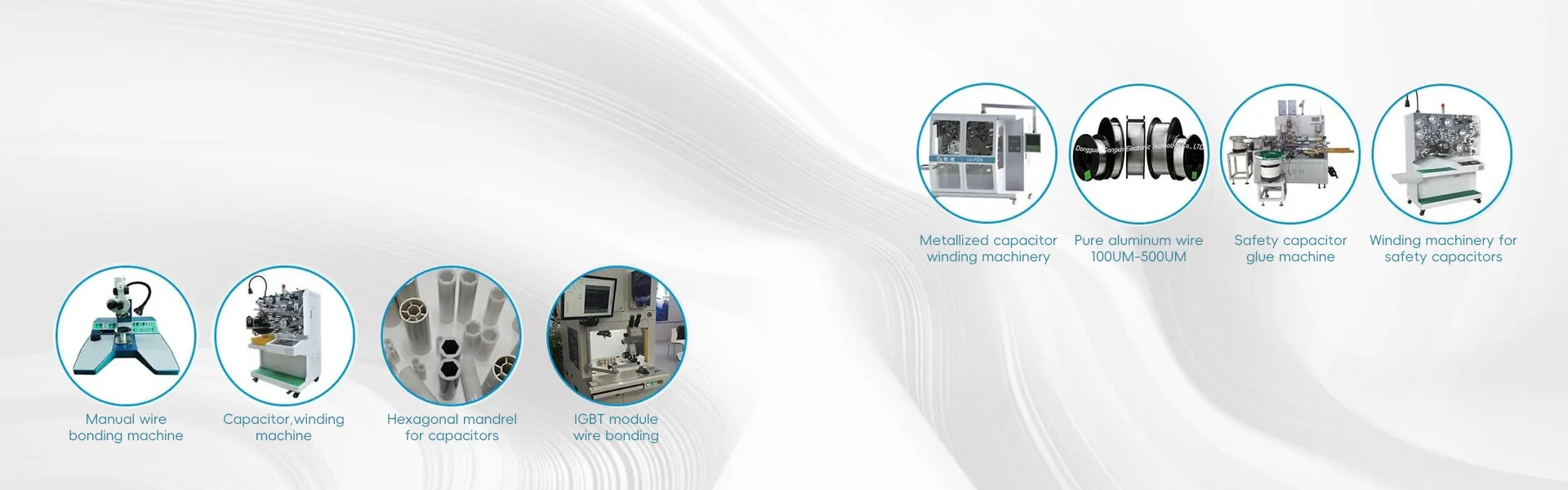
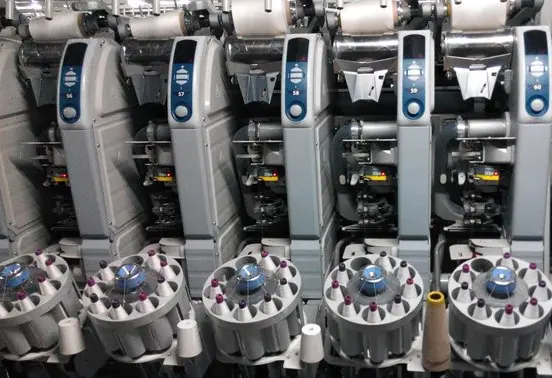
Using an automatic winding machine removes human error from the equation. The machine adopts smart sensors and servo controls. A precise motor turns the main mandrel smoothly. This means you wind each mea with the exact same tension, every single time. Consistency is the bedrock of profitable B2B component supply.
Operators love the easy operation provided by a modern plc and touch screen interface. Instead of turning knobs and guessing, the operator just types in the needed tulaga tau. The equipment does the rest. It can adjust speeds on the fly. This digital approach slashes training times and allows floor workers to oversee multiple stations simultaneously without feeling overwhelmed.
This consistency leads to a much better mea. When we wind thousands of units, the capacitance stays within a very tight range. Good gear simply gives you a better baseline for your output. It also collects vast amounts of analytics. Engineers can review historical tension graphs to identify exactly when a batch started to drift, making troubleshooting a breeze.
What Technology Drives the Manufacturing o Film Capacitors?
Le technology behind film capacitors moves fast. Today's gaosia relies heavily on a high-speed capacitor winding machine. These units must handle incredibly thin metallized film without scratching the alumini coating. Even a tiny scratch on the uamea ruins the layer. In the world of high-capacity storage, a scratch reduces the effective surface area, which drops the capacitance below acceptable limits.
Le process starts with unrolling the raw meafaitino. We carefully wind the sheets to form the core element. During this process, the unit must maintain strict puleaina to prevent the outer surface from wrinkling. Wrinkles create microscopic gaps, which become hotspots when heavy currents flow through the unit.
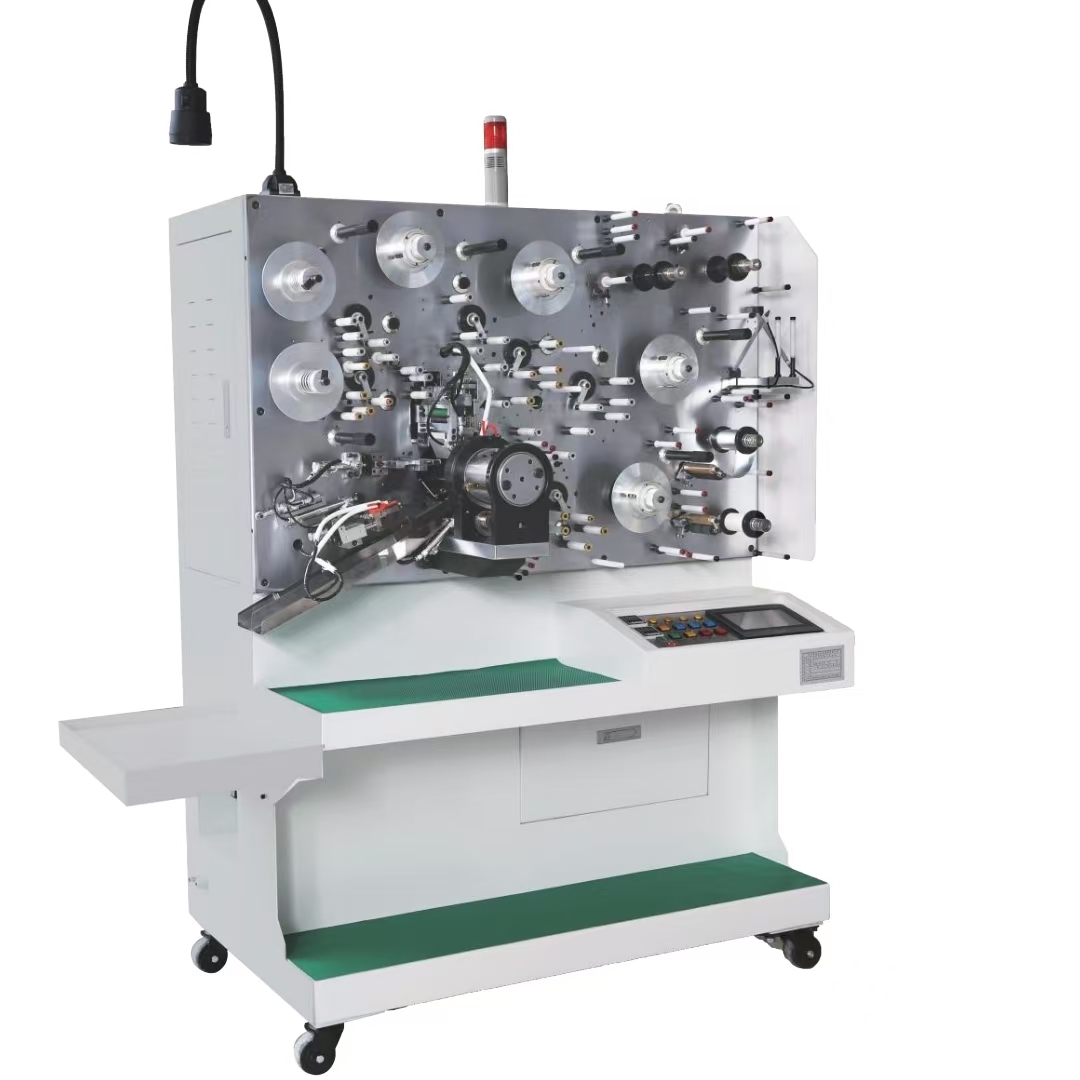
We also apply a special feature to burn off microscopic shorts. This clearing action happens as we wind. It boosts the quality of the unit instantly. The physics of this self-healing trick are fascinating. When a tiny short occurs, the localized heat instantly vaporizes the surrounding conductive coating, isolating the fault and saving the component from total destruction.
Why Must We Carefully Control Winding Machines During Operation?
Talafeagai operation o winding machines is a balancing act. If you wind too fast, static electricity builds up. If you wind too slow, your time per unit drops and costs go up. You have to find the sweet spot to ensure maximum efficiency. Finding this balance requires deep collaboration between mechanical experts and materials scientists.
You must set the exact length o le film in millimeters (mm). For example, if the design calls for 500 mm, the machine must cut it right there. A wrong length changes the final lapoa o le faʻapalepaʻu. Even a millimeter of excess plastic can throw off the physical dimensions, causing the finished component to get stuck during the automated casing phase.
Taʻitasi tulaga tau matters. From the tension on the inner core to the tape applied at the end of the cycle, every step must be perfect. This meticulous work guarantees the faʻapalepaʻu meets its original faamatalaga. We frequently implement tapered tension profiles, where the pull starts high and gradually decreases. This prevents the growing cylinder from crushing its own center under immense compressive forces.
How Can You Ensure the Right Fetaui at Each End o le Capacitor?
When you wind a standard unit, the edge o le film forms the connection area. We offset one layer slightly. This creates a staggered edge at the end o le faʻapalepaʻu. This staggered geometry is a brilliant engineering workaround that maximizes the exposed conductive surface area.
Later, we spray molten uamea onto that end. Afai o le base o le edge is flat and tight, the sprayed metal forms a solid contact. This strong joint carries heavy current without overheating. In electric vehicle applications, thermal management is paramount. A cool-running component extends the lifespan of the entire drivetrain.
Afai o le winding machines leave the end loose or wavy, the spray won't hold. The fusi will fail. The entire element becomes useless. To prevent this, our tools gently guide the meafaitino so the outer and inside margins align flawlessly. Clean margins result in robust joints that easily pass strict vibration and thermal shock testing protocols.
What Makes Automatic Winding Ideal for High DC Voltage?
Maualuga dc voltage application is unforgiving. It demands absolute stability from the unit. An automatic winding process delivers this by keeping the tension perfectly even. Uneven tension creates weak spots that high dc voltage will punch right through. In renewable energy setups, like solar panel inverters, the components face relentless daily stress.
When we wind units for power grids or energy storage, we often use thicker film. Le masini must handle this heavy-duty material without breaking a sweat. It must lay down each layer tightly. Hand-rolling or using semi-automated methods simply cannot provide the necessary torque to manipulate these thick, stubborn industrial plastics.
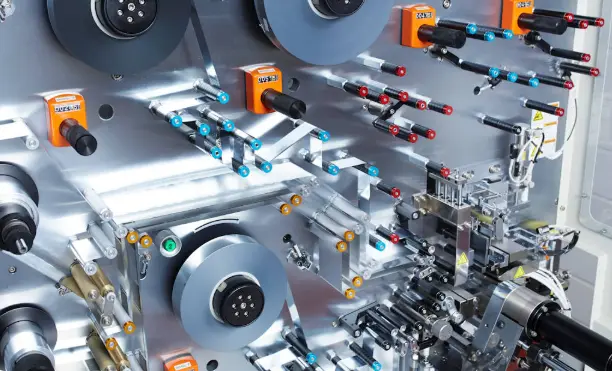
A automatic winding machine has the muscle and the brains to do this. It gives the final mea the electrical stability needed for heavy power loads and long-term storage systems. These automated behemoths represent the pinnacle of modern manufacturing, blending raw physical force with delicate, micron-level guidance systems.
How Do Film ma le Equipment Work Together for the Best Structure?
Think of the film as the brick and the meafaigaluega as the mason. The masini uses the meafaitino to build a solid structure. Every function must support the characteristic of the plastic. You cannot force a rigid plastic to behave like a stretchy one. The hardware must adapt to the chemistry.
Some plastics shrink when heated. We must mafai the system to wind with a slight taper in tension to allow for this. If we wind it too tight, the core will crush during the heat treatment. It requires a special touch. Heat treatment, or annealing, is a vital post-roll step. It relaxes the internal stresses and fuses the cylinder into a rock-solid block.
To operate effectively, we often rely on aMasani Mandrel Puber mo le potu poʻo le paʻu o le paʻu masini. This holds the center firm. A solid center makes the whole structure sound, from the very first layer to the final outer wrap. We design these holders to expand and contract flawlessly, ensuring the finished cylinder slides off without a single snag.
Can We Wind Faster and Still Meet Every Specification ma le Requirement?
Yes, we absolutely can. But it takes exactness. To wind at top speed and hit every metric, the unit must eliminate vibration. Vibration causes the edge to wander, ruining the build. Fast production without accuracy is just creating scrap at a higher velocity.
We use a heavy, cast-iron base to absorb shocks. We use ceramic guides that don't wear out over time. These upgrades help us meet the strict manaoga of the automotive and aerospace sectors. When a facility commits to high-end infrastructure, the upfront cost is quickly offset by the massive reduction in wasted raw goods.
This focus on rugged tools extends the life of the hardware and the MFsitaga o le mea. When we wind fast, we don't cut corners. We just use better engineering to manage the various forces at play. By investing in superior bearings, stiffer frames, and faster processors, we push the boundaries of what these automated systems can achieve daily.
What Protection Measures Should a Machine Use to Safeguard the Metallized Film?
Le metallized film is incredibly sensitive to the environment. Good winding machines use enclosed cabinets to block dust. Dust is an external enemy. If a speck of dust gets into the element while you wind, it causes a short circuit. Many top-tier facilities go a step further, placing the entire operation inside strict climate-controlled cleanrooms.
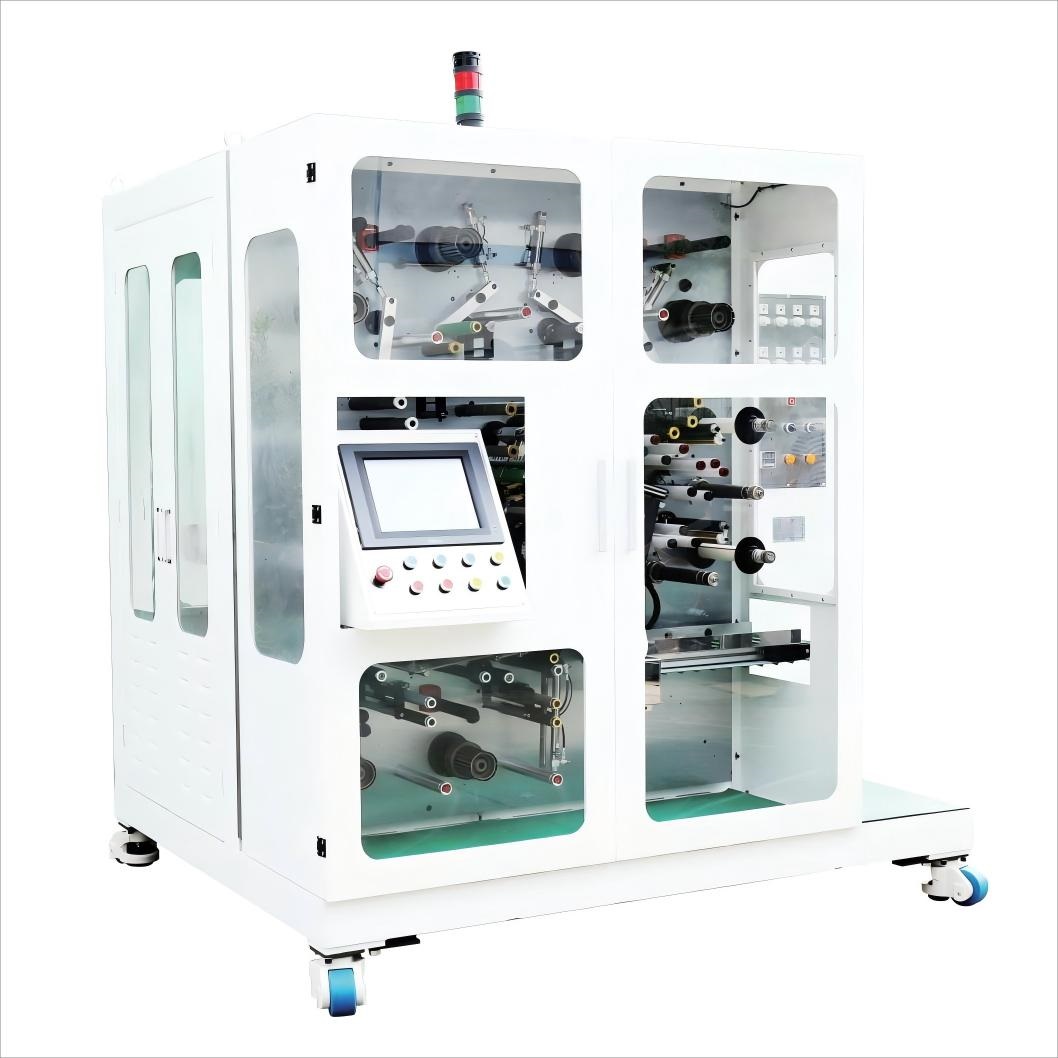
Le masini also uses ionizers to kill static electricity. Static attracts dirt and causes the film to stick to itself. By removing static, we provide vital safety to the delicate alumini coating. Active static elimination is not a luxury; it is a fundamental necessity when spooling miles of plastic at breakneck speeds.
Ma le isi, o le mandrel itself must be perfectly polished. If it has a burr, it will scratch the internal core as we pull it off. You can look into a factory directly big winding mandrel set for capacitor of high-speed rail train new energy power to see how crucial smooth tooling is for high-duty setups. A flawless mirror finish on the tooling prevents micro-abrasions that could otherwise compromise the entire batch.
How Does Precise Capacitor Winding Transform Modern Production?
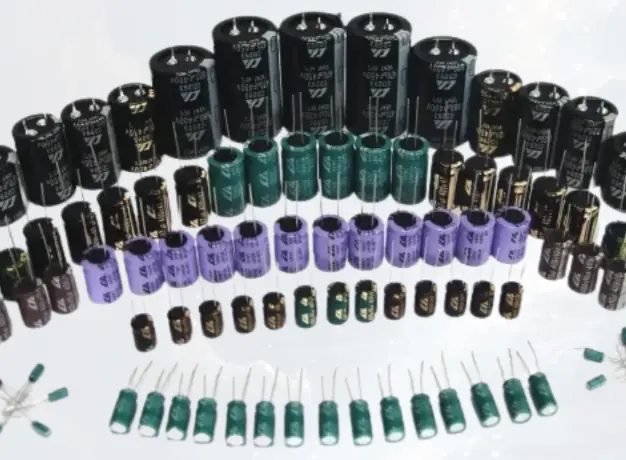
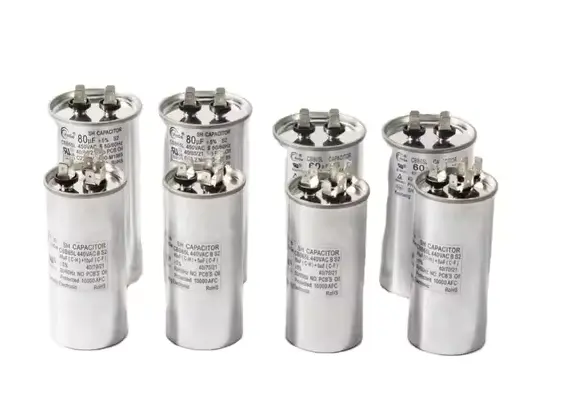
At the end of the day, capacitor winding is the heartbeat of the eletise supply chain. A well-wound capacitor makes an electronic circuit sing. It filters noise, stores energy, and keeps the lights on. Without these fundamental building blocks, the rapid advancement of modern computing and green energy would grind to an absolute halt.
When we wind with extreme accuracy, we reduce scrap. Less scrap means a more profitable production line. We use less raw meafaitino and spend less time troubleshooting failures. Every successful application starts with a tightly wound core. It is a domino effect: better core rolling leads to better metal spraying, which leads to better final testing numbers.
Whether you use a winding machine for metallized film capacitors po o le teleLV-HDX lisi o otometi masini matagi, the goal is the same. You want to wind a component that lasts. That is how we power the future. Partnering with a dedicated engineering provider ensures your factory floor is always equipped to handle the demands of tomorrow.
Autu Auta
- Exact tension is the secret to a flawless component.
- Advanced robotics eliminate the inconsistencies of human handling.
- Static elimination and dust control are mandatory for success.
- Tapered tension profiles prevent internal crushing during the build.
- Investing in high-grade cast-iron bases and ceramic guides drastically reduces long-term maintenance costs.